




The difference between collapsing and actually resting
There’s a version of “going to bed” that isn’t really rest at all.
You know the one. You’re horizontal. The lights are off. Your phone is face-down on the nightstand, a noble gesture that lasts about four minutes before you’re scrolling again. Your body is technically done for the day, but your mind is still running the recap — tomorrow’s list, today’s leftover awkwardness, the thing you said in that meeting three weeks ago. You’re collapsed, not rested. And in the morning, you can tell the difference.
Most of us learned to collapse. Fewer of us learned to actually rest.
Why the gap exists
Collapsing is reactive. You fall into bed because you’ve run out of capacity. Your nervous system doesn’t get a signal that the day is over — it just eventually loses the fight against exhaustion. That’s not recovery. That’s surrender.
Actual rest is intentional. It requires a handoff — a moment where your body and mind receive the message: this part of the day is finished. Without that transition, sleep becomes just another thing that happens to you, not something you participate in.
The irony is that building an evening ritual feels like adding more to your day. It’s actually the opposite. A real wind-down routine compresses the transition from “on” to “off” so that when your head hits the pillow, you’re not still at the starting line. You’re already most of the way there.
What a real transition looks like
It doesn’t need to be elaborate. A lot of the most effective evening routines are almost embarrassingly simple: lower the lights around 9pm, stop eating an hour before bed, do something that signals “done” to your brain — a warm drink, a few pages of something easy to read, a consistent supplement you take at the same time each night.
The consistency is what does most of the work. Your nervous system responds to patterns. When you repeat the same small sequence night after night, the sequence itself becomes the cue. Your brain starts winding down before you even finish the routine. That’s not woo-woo, that’s just how conditioning works.
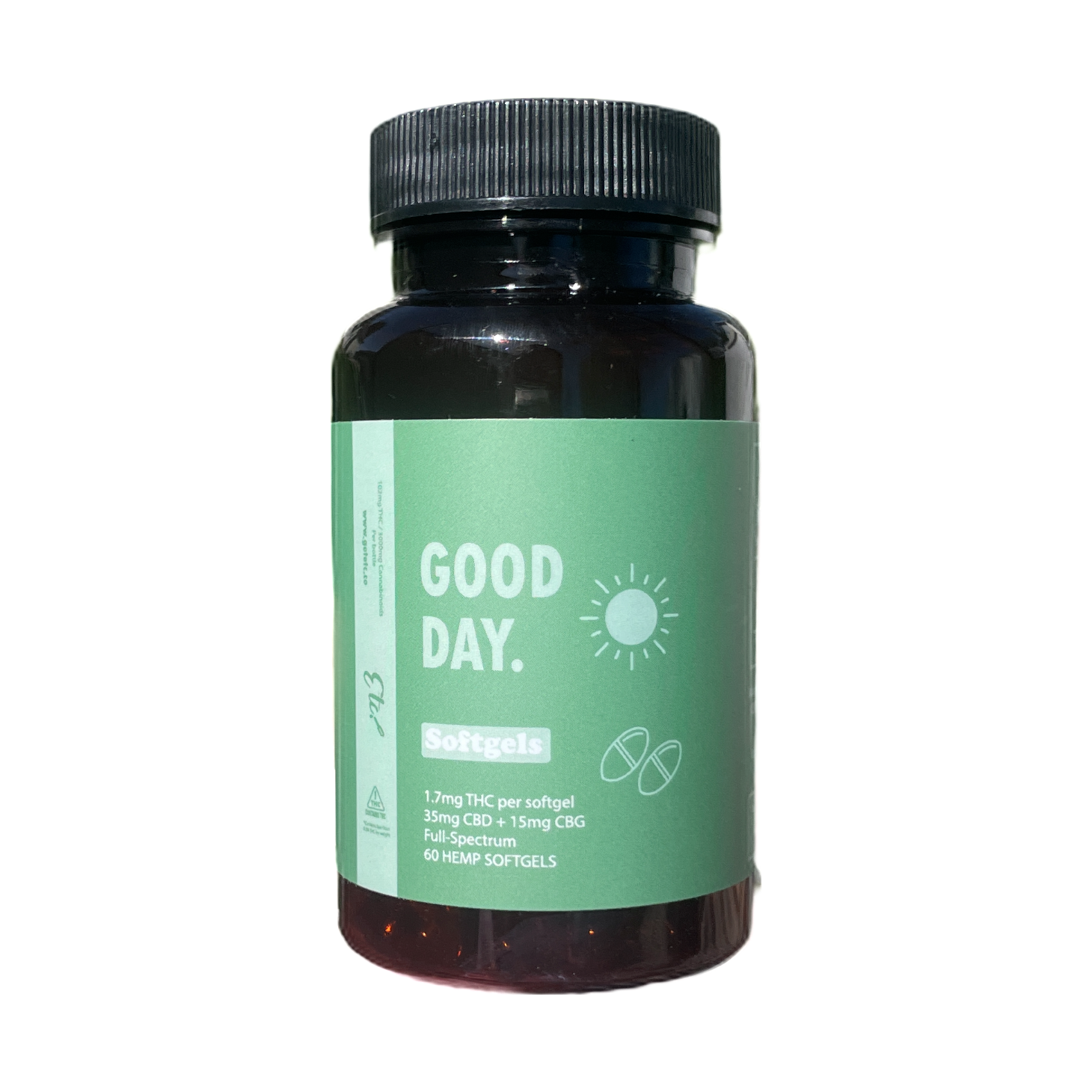
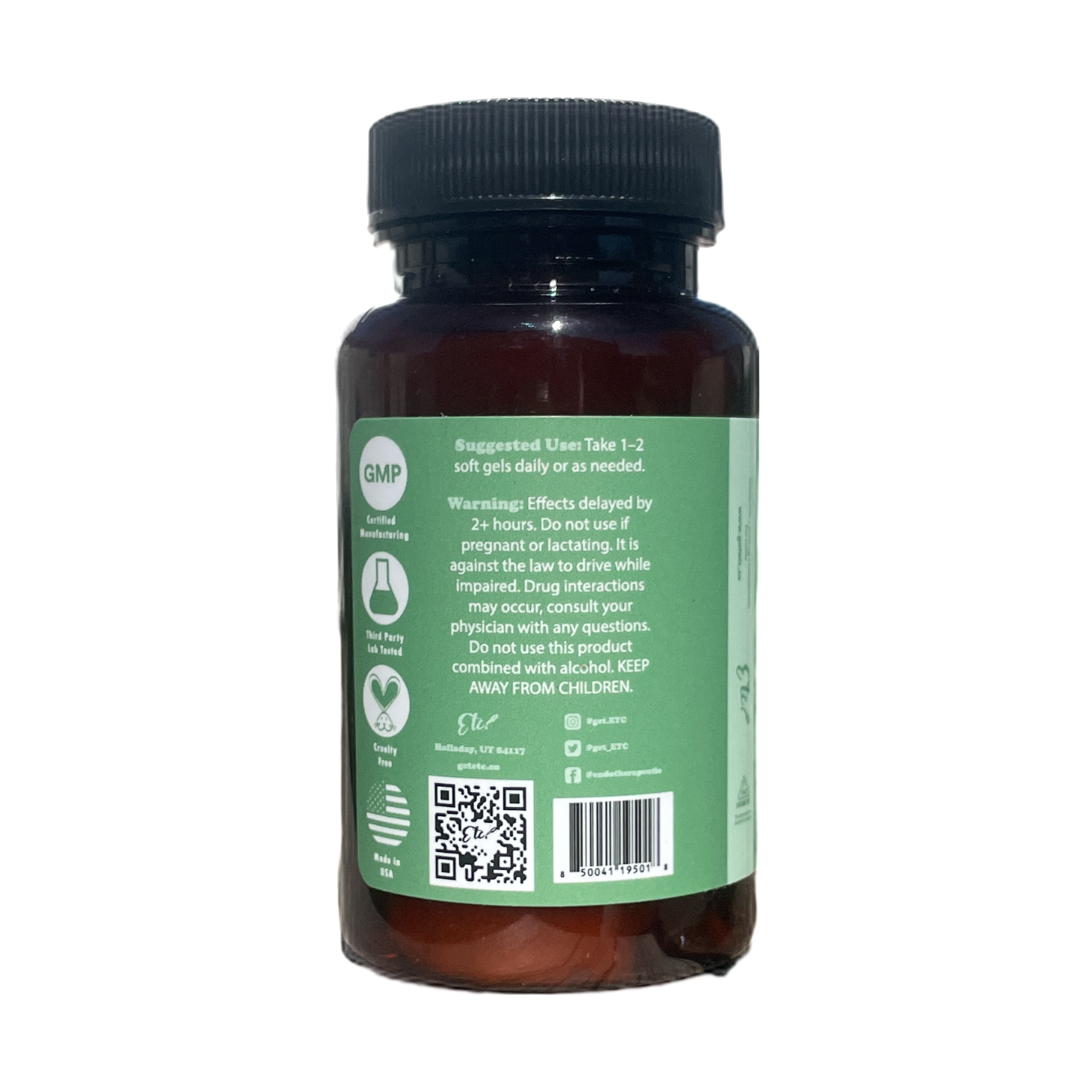
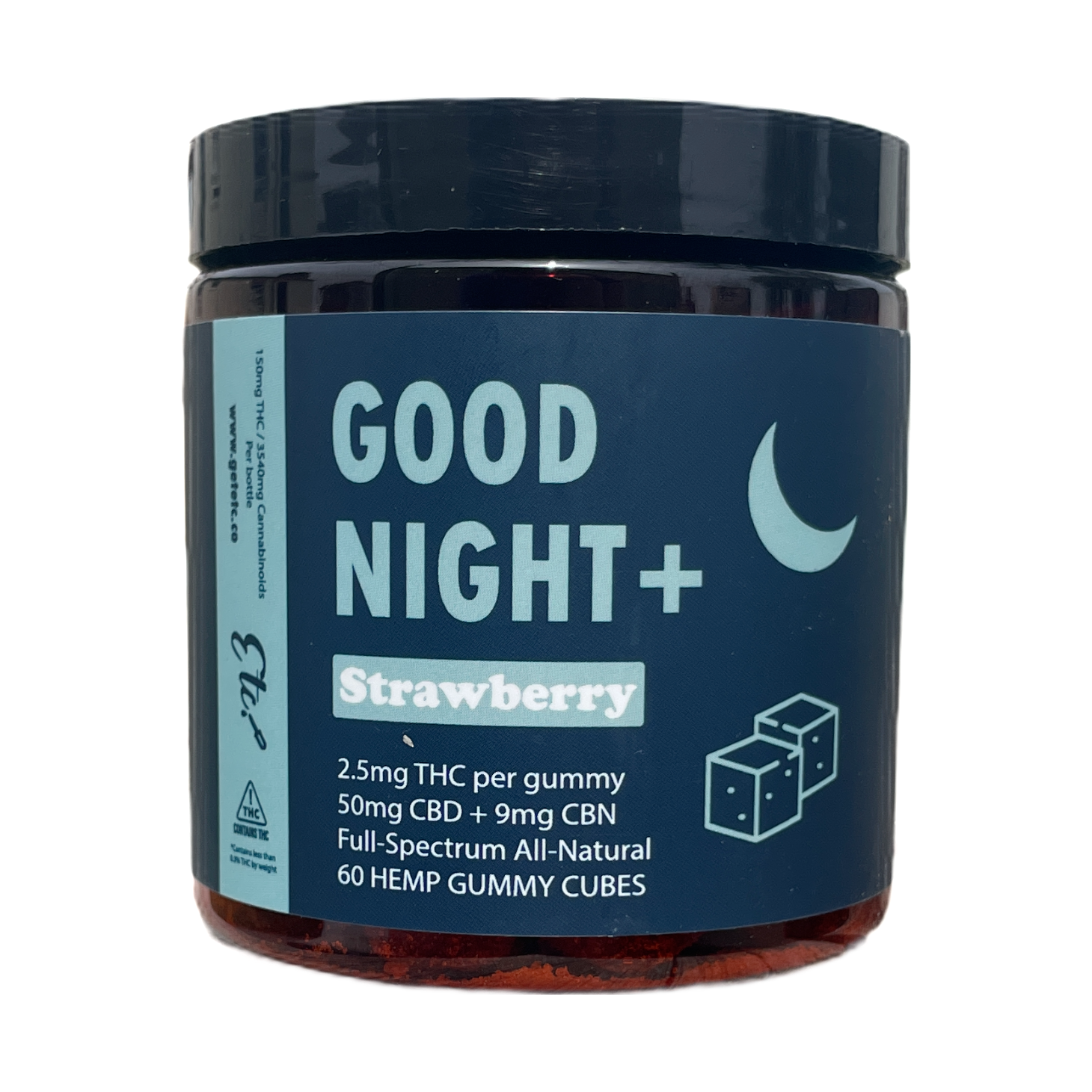
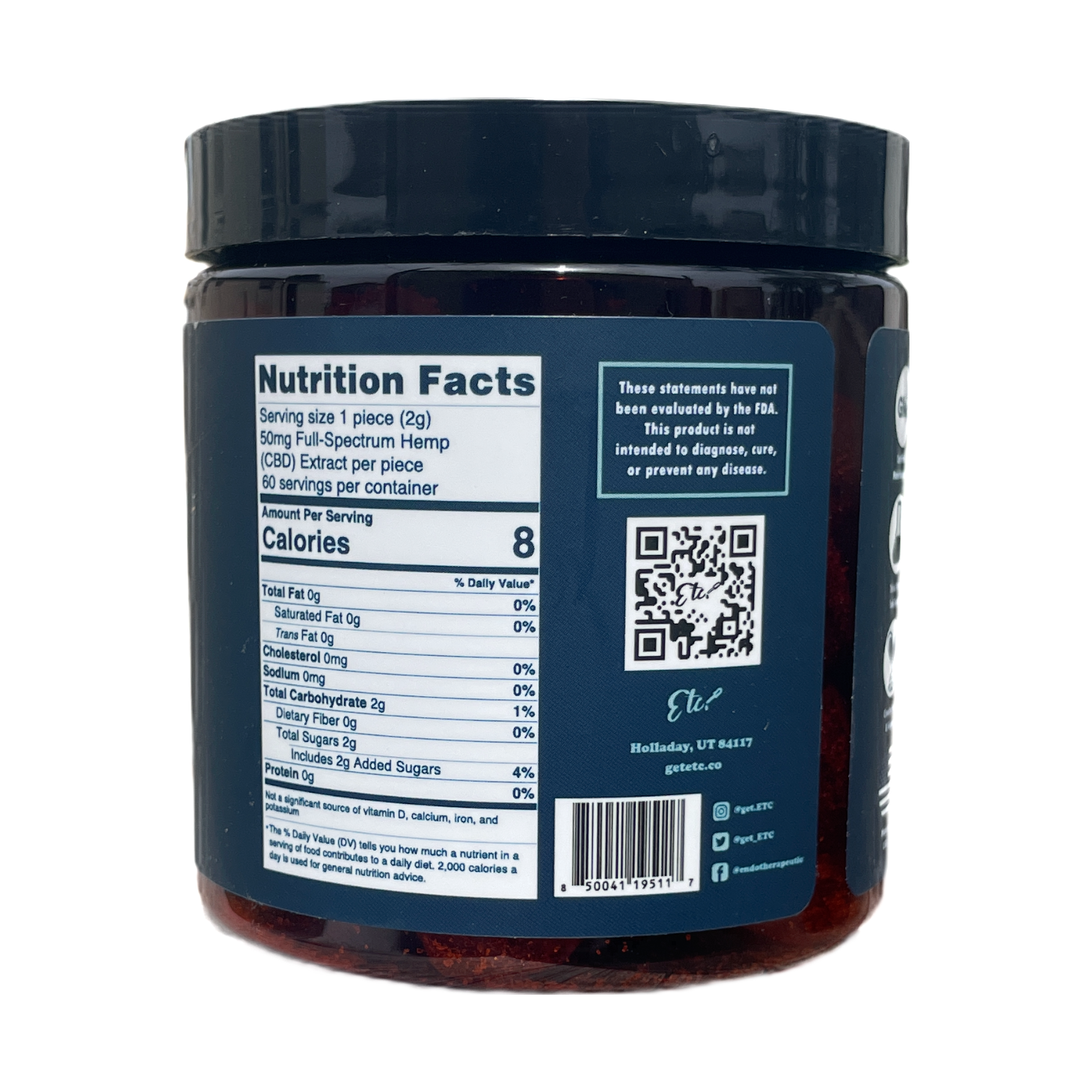
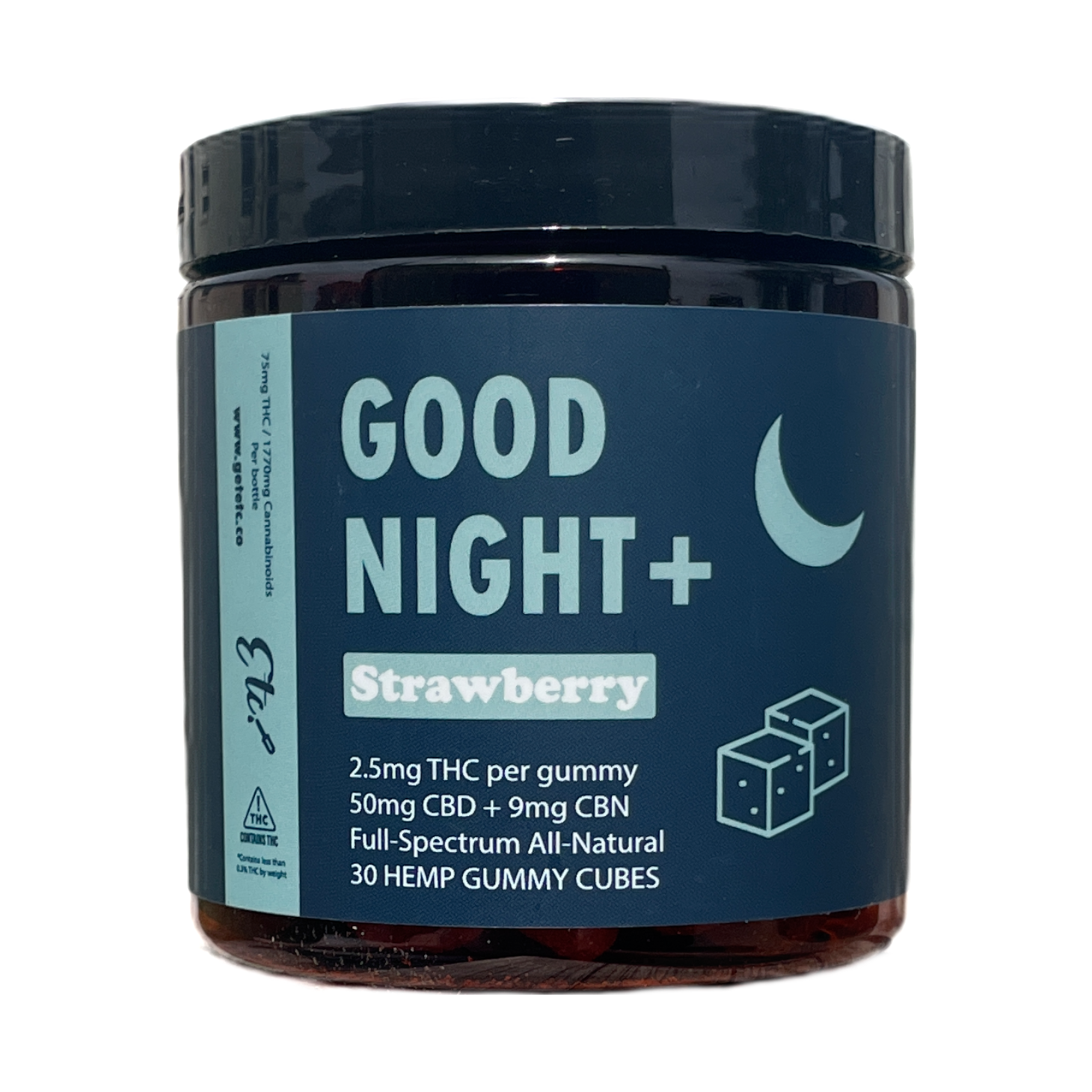
This is also where something like Good Night fits naturally. Not as a sleep replacement — it’s not a sedative — but as a nightly anchor, something that gives the routine a fixed point. You take it, you feel the soft shift begin 30 to 60 minutes later, and over time the act of taking it becomes part of the signal. That consistency compounds.
The cost of doing nothing
Here’s the part people underestimate: the cost of poor recovery isn’t just feeling groggy. It’s who you are the next day.
When you haven’t genuinely rested, you’re operating on a reduced version of yourself. Your patience is shorter. Your thinking is foggier. The things that matter to you — your work, your family, your own sense of forward momentum — get a lesser version of you to work with.
That’s the real cost of collapsing instead of resting. It’s not just tonight. It’s tomorrow morning.
ETC’s own 8-week participant study found that sleep was the first thing people noticed improving, before mood, before energy, before anything else. Which makes sense — when you’re sleeping better, the other things have room to follow.
On building something sustainable
There’s a version of wellness culture that turns self-care into a production. Forty-dollar candles, a seventeen-step routine, a tracker for your tracker. That’s not what this is.
A good evening ritual should cost you almost nothing in effort. The point is repetition, not complexity. If it’s too complicated, you won’t do it when you’re tired (which is, inconveniently, always when you need it most).
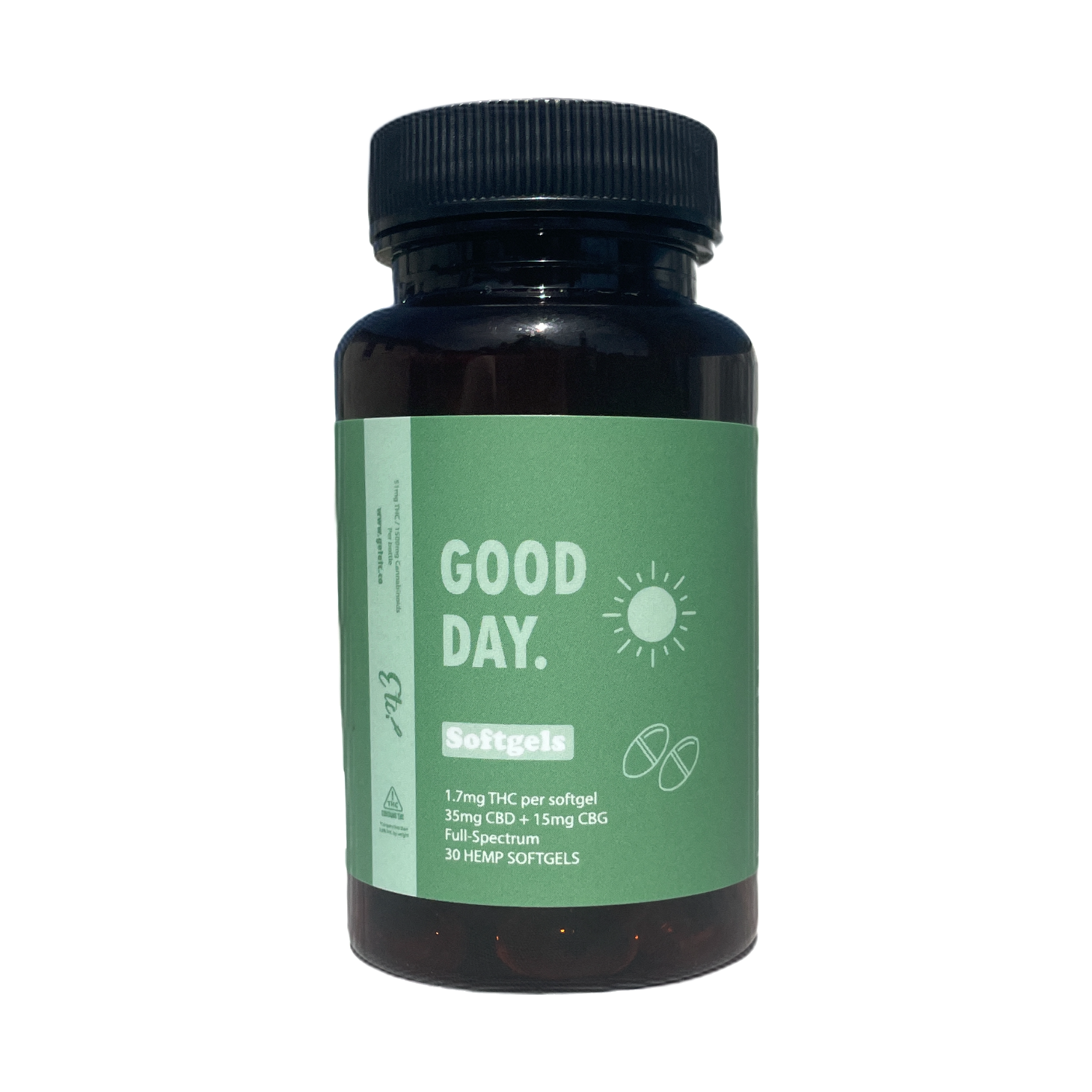
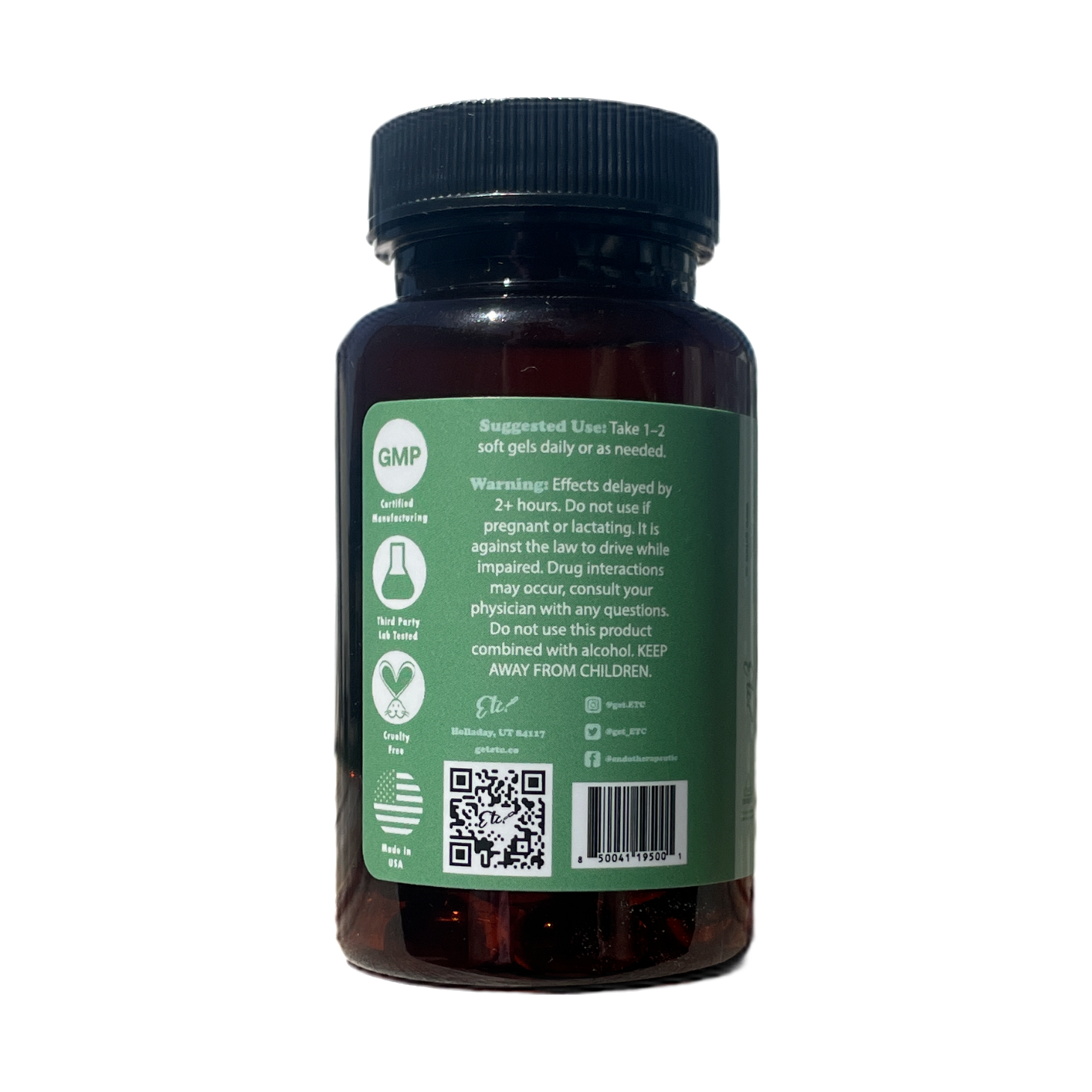
This is part of why Good Night softgels appeal to people who don’t want to think much at the end of a long day. No measuring, no mixing, no flavor to negotiate with. Just a simple, consistent step you can actually sustain. At roughly a dollar or two per serving depending on the count you choose, it’s one of the lower-friction ways to invest in how you show up tomorrow.
The difference, in practice
Collapsing looks like this: you’re on the couch at 11pm, half-watching something you don’t care about, waiting until you simply can’t stay awake anymore, and then transferring yourself to bed like an item being relocated.
Resting looks like this: sometime around 9pm, you take your Good Night. You dim the lights. You do one small thing that feels like closing a loop — a quick journal entry, a book, five minutes of nothing in particular. By the time you get into bed, the wind-down is already halfway done. You’re not waiting for sleep to rescue you. You’re meeting it.
The second version doesn’t take more time. It just takes intention. And once it becomes habit, the intention barely registers — it’s just what you do.
That’s the version worth building toward. Not because perfect sleep is some moral achievement, but because the person you are when you’ve actually rested is someone worth showing up as. For your work. For the people you care about. For yourself.
Start tonight with something small. The habit will catch up.
Disclaimer: These statements have not been evaluated by the Food and Drug Administration. This product is not intended to diagnose, treat, cure, or prevent any disease. Consult your healthcare provider before starting any new wellness regimen.
Photo by Brandon Cormier on Unsplash