




The night I stopped needing a crutch to sleep
Most people don’t decide to rely on a sleep aid. It just… happens. One rough night, you try something. It works. You try it again. A few months later, reaching for the bottle has become as automatic as setting your alarm.
That’s not a character flaw. That’s just how habits form, especially around something as essential as sleep.
The question worth asking isn’t “how did I end up here?” It’s a quieter, more hopeful one: what does a night look like when I actually trust myself to wind down without help?
The cost of convenience (in more ways than one)
Let’s talk about the financial piece first, because it’s often the thing that finally gets people thinking. Over-the-counter sleep aids add up faster than most people track. If you’re spending $15-20 a month on something that works inconsistently, feels a little foggy the next morning, and doesn’t seem to be making anything better in the long run, that’s real money going toward a short-term patch.
The appeal of a different approach isn’t just philosophical. It’s practical. Building a consistent evening routine around something that actually supports your body’s own processes, rather than overriding them, tends to be more cost-effective over time, especially when you’re buying something that genuinely lasts.
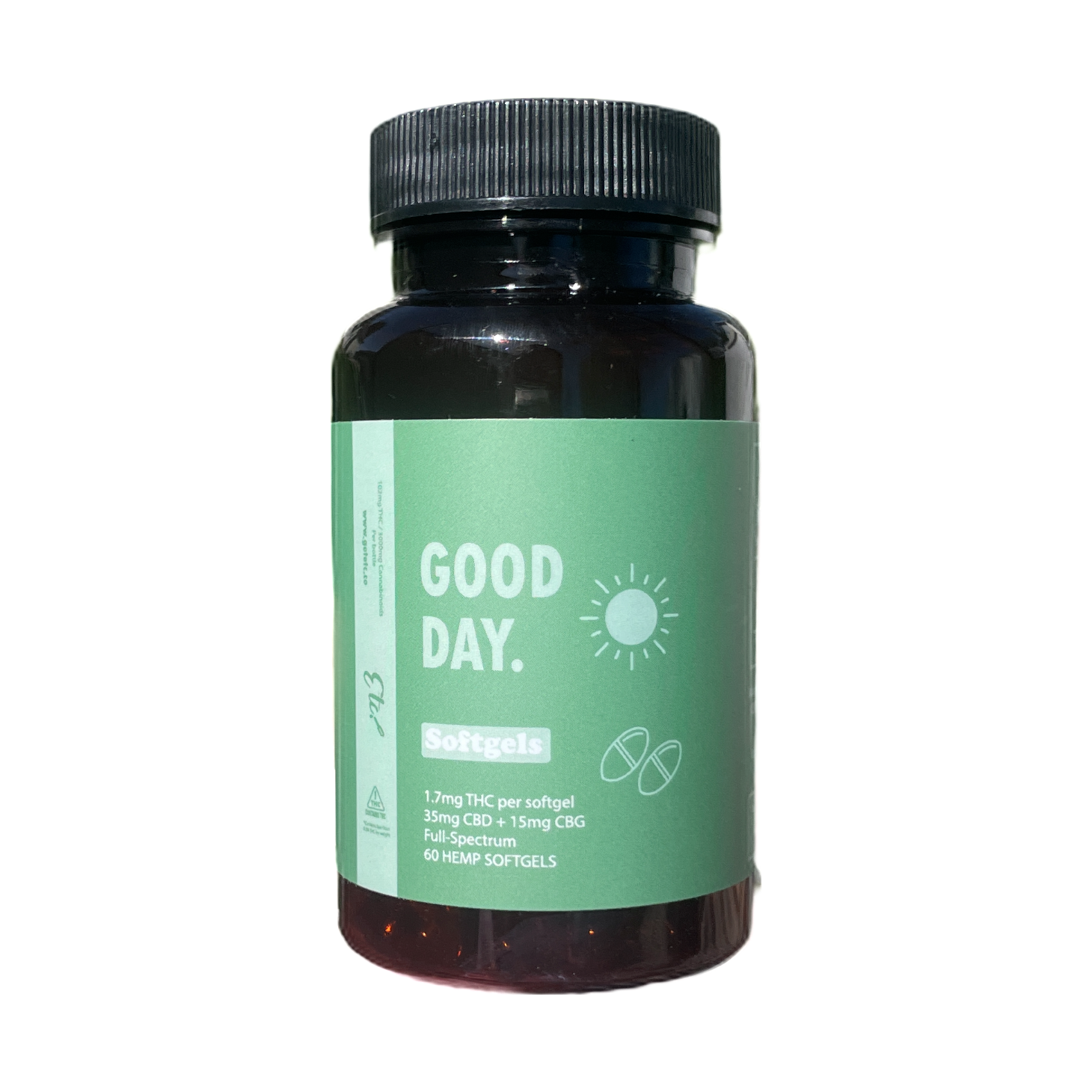
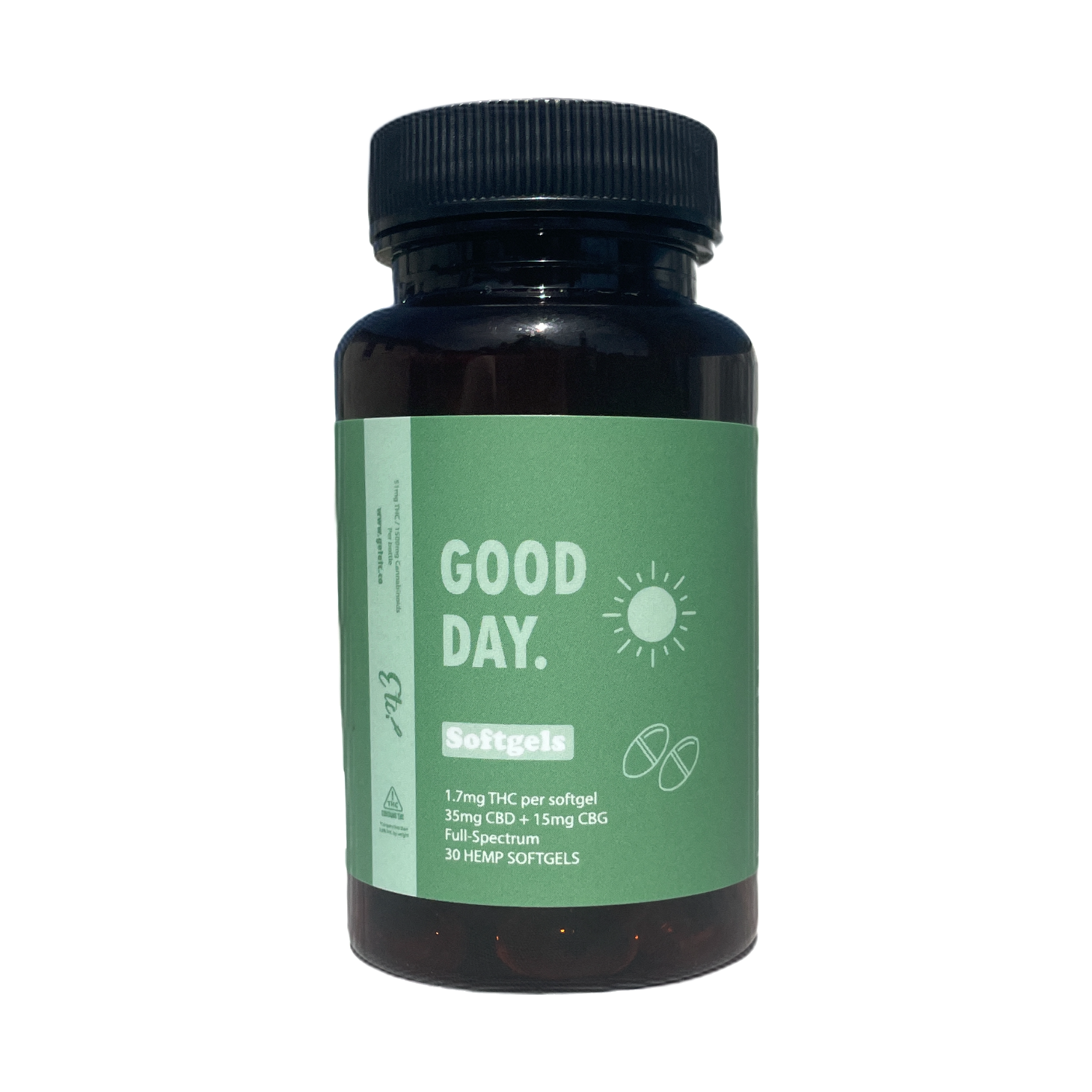
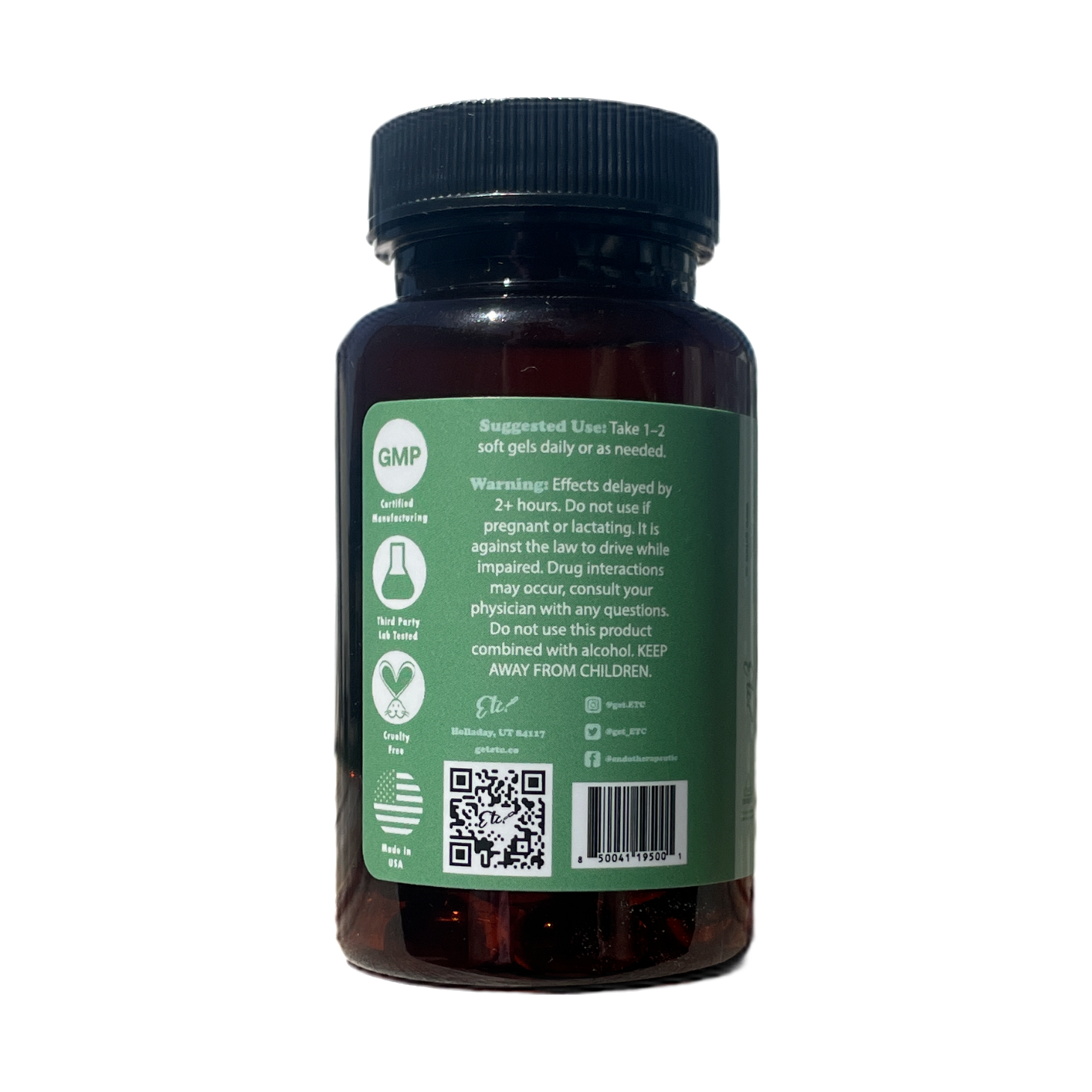
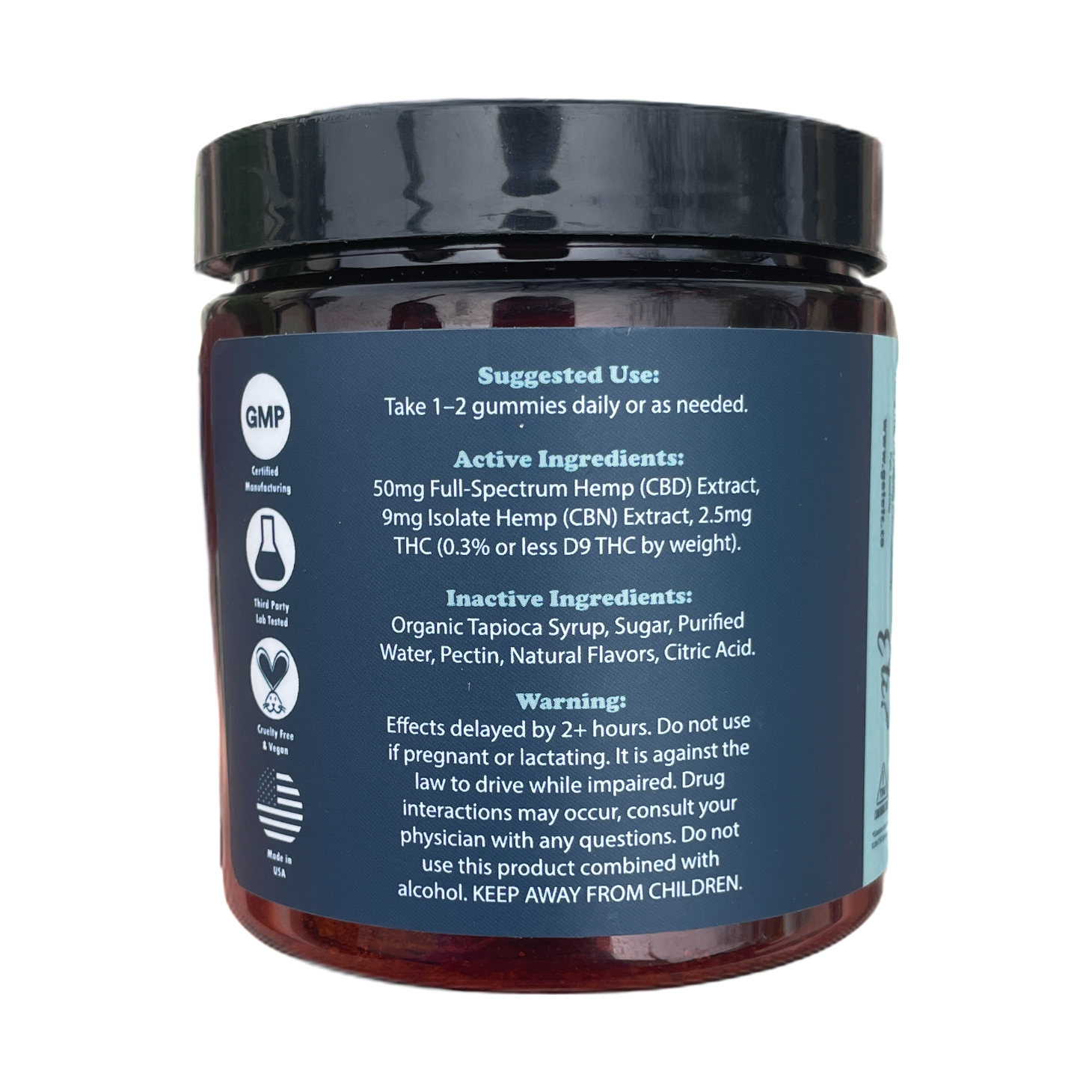
Good Night softgels, for example, run well under a dollar a dose when you factor in a 60-count. That’s not a sales pitch. That’s math worth doing when you’re comparing it to what you’re currently spending on something that leaves you groggy.
What your body already knows how to do
Here’s the part that doesn’t get said enough: your body has its own system for winding down. The endocannabinoid system, discovered only in the early 1990s, exists in every mammal on Earth. It regulates, among other things, how your nervous system transitions from alert to calm.
Your body produces its own cannabinoids. You’re already using this system every single night, whether you know it or not. The challenge is that stress, poor nutrition, age, and accumulated tension can leave that system running behind. When it does, the wind-down doesn’t come easily. You lie there, mind still running, waiting for something to shift.
Full-spectrum hemp, particularly formulations with elevated CBN (the cannabinoid associated with drowsiness and evening calm), can work with what your body is already trying to do. Not instead of it. With it. That distinction matters, especially if you’ve spent time relying on something that just knocks you out rather than supporting a natural transition.
What “building a habit” actually means here
The word “habit” gets thrown around a lot in wellness content, so let’s be specific about what it looks like in practice.
In ETC’s own 8-week observational study, sleep was the first thing participants noticed improving, typically within the first week. What’s more telling is the trajectory: steady, week-over-week improvement across eight weeks. Not a spike at week one and then a plateau. Consistent, compounding progress.
That pattern matters because it reflects what a real habit looks like. You’re not trying to force a single perfect night. You’re building a repeatable evening practice that your nervous system starts to recognize and respond to over time.
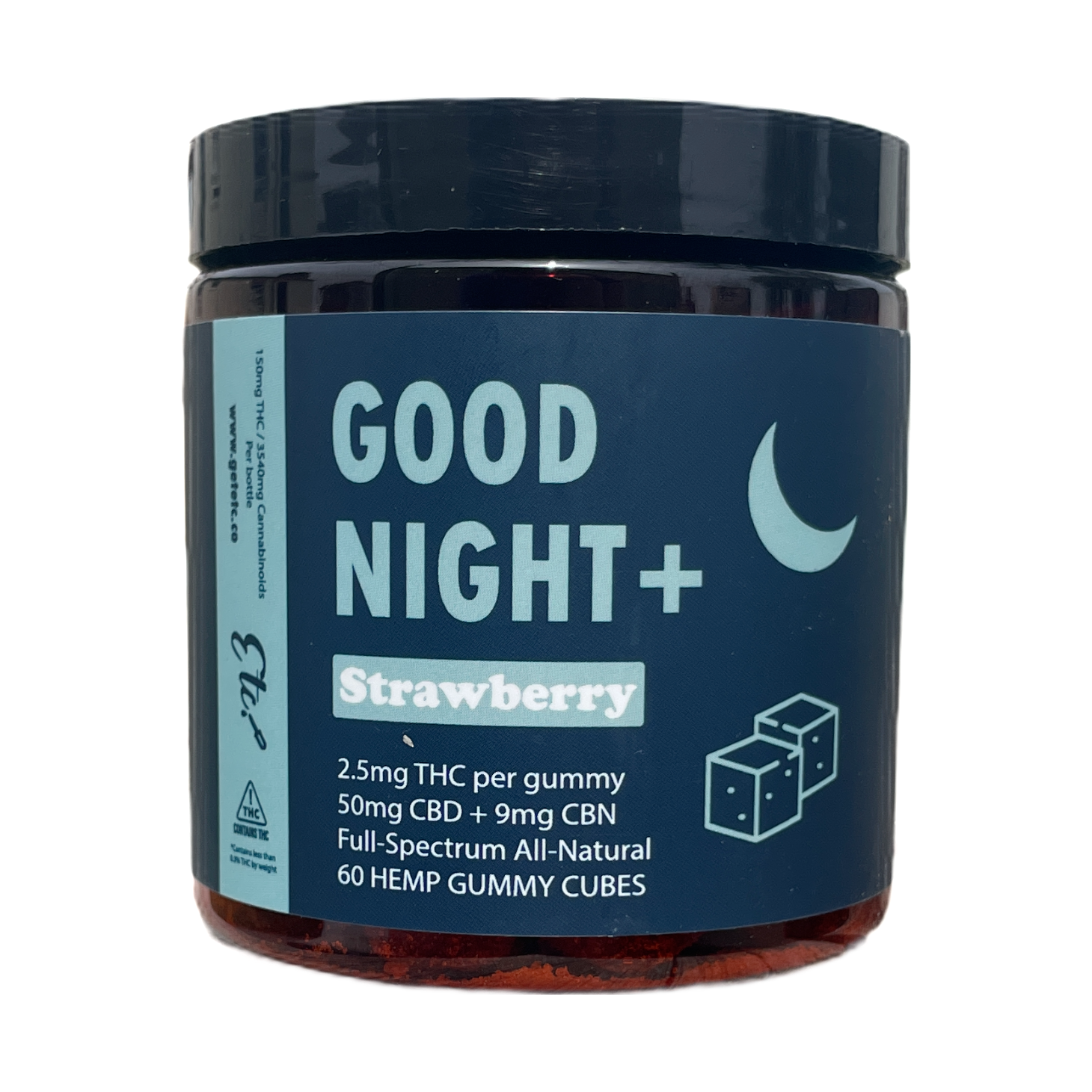
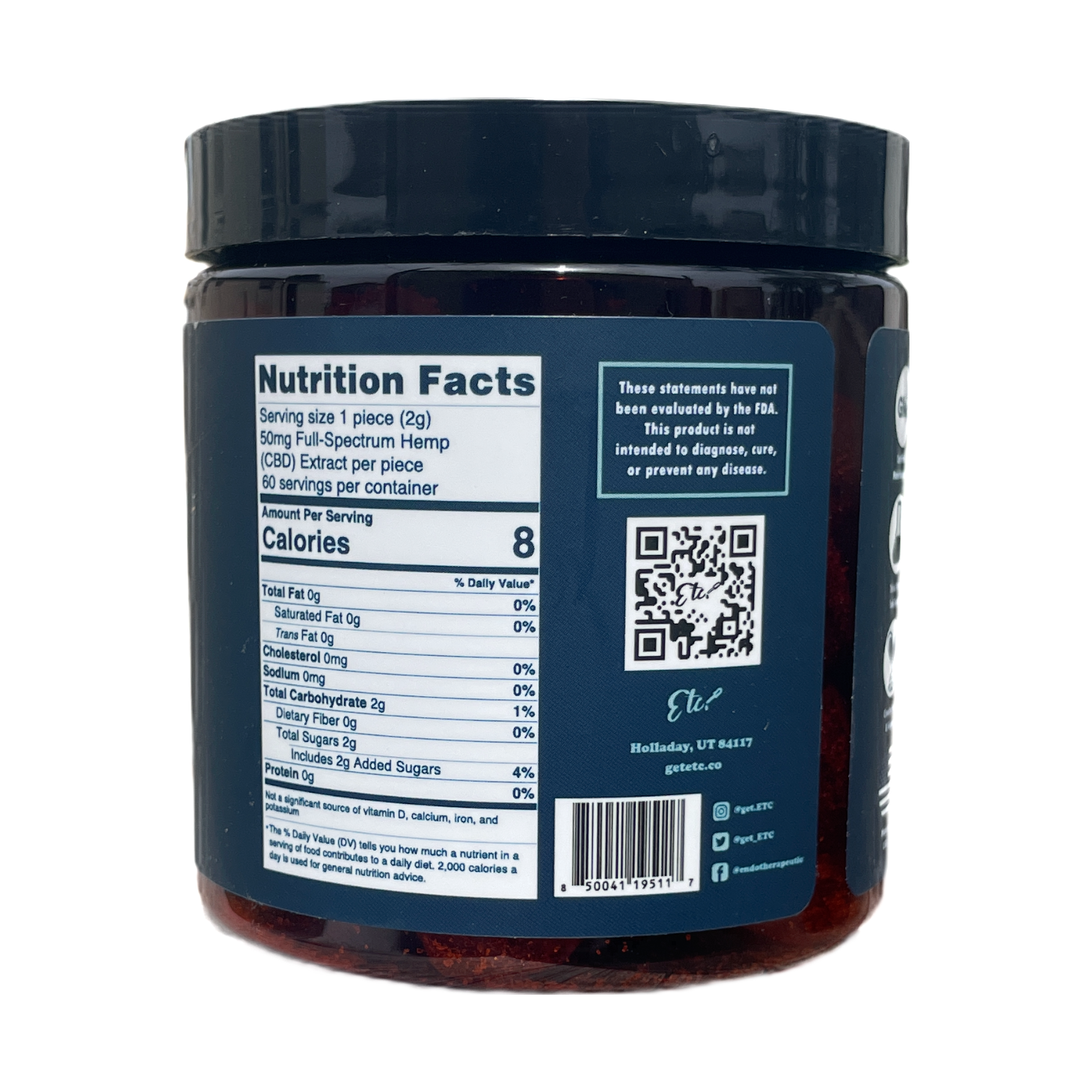
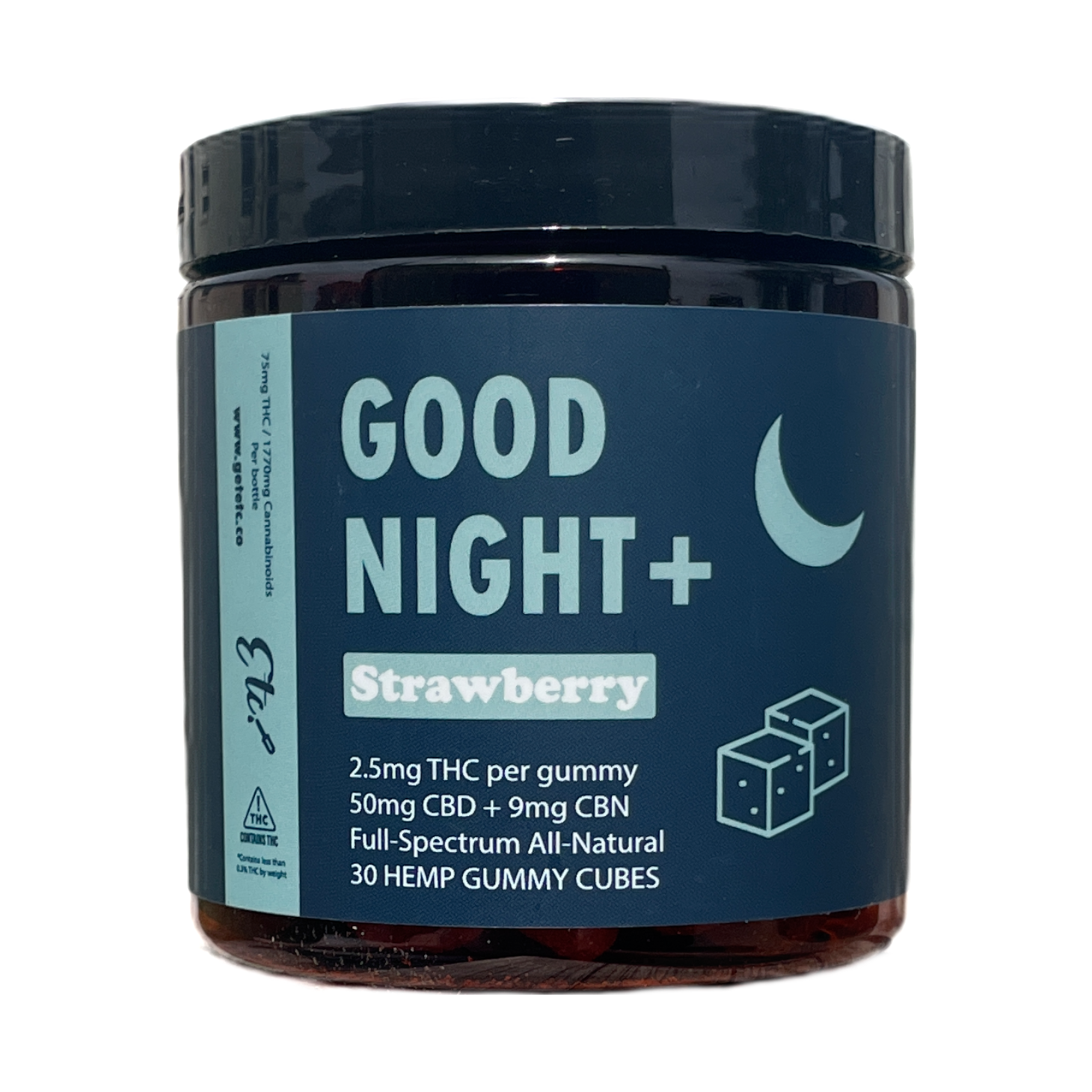
The ritual of it is part of the point. Taking your Good Night softgel (or gummy, if that’s your format) at roughly the same time each evening, stepping away from screens, letting the 30-90 minute onset window actually work the way it’s designed, these aren’t just logistical notes. They’re the habit itself. Your body starts to anticipate the transition. That’s when things get genuinely easier.
Getting off the old routine
If you’ve been relying on something else to sleep, the first few nights of a new approach can feel uncertain. That’s normal and worth naming. You might lie there wondering if “this is working” before it’s had time to do anything. You might compare it to what you’re used to, which worked via a different mechanism entirely.
A few things worth knowing:
Full-spectrum hemp takes time, both within a single evening (give it a full hour before drawing conclusions) and across weeks. The 8-week study showed week-over-week improvement, not overnight transformation. Starting with the lowest recommended serving and staying consistent matters more than chasing immediate intensity.
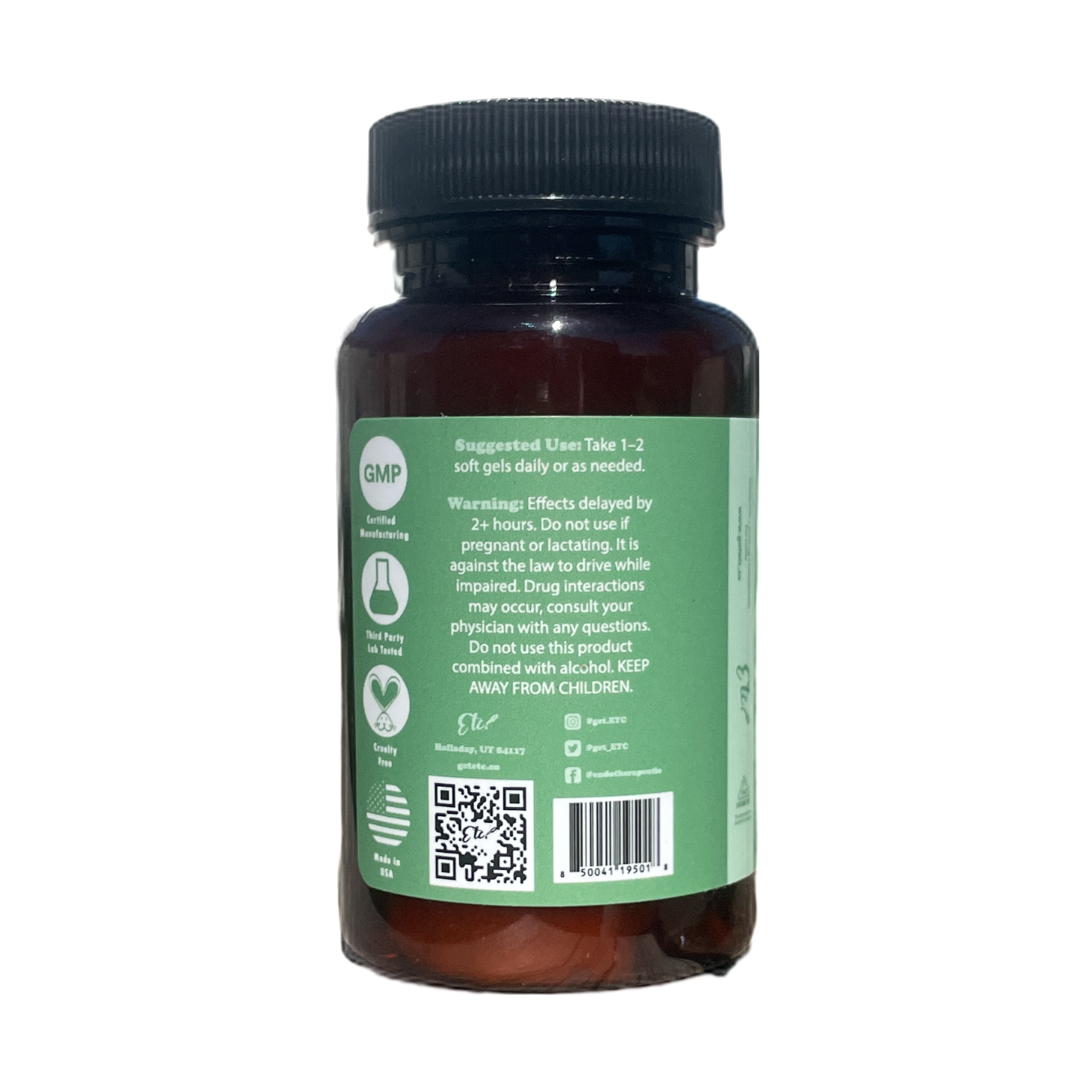
If you’re currently on any prescription sleep aids or medications, a conversation with your doctor before changing your routine is just sensible. Cannabinoids are metabolized by the liver, and interactions with certain medications are worth understanding first.
But for people who’ve been on over-the-counter aids, melatonin at escalating doses, or just white-knuckling it with a glass of wine, there’s often a real alternative available that they haven’t genuinely tried yet.
The thing that actually changes
Here’s what doesn’t usually get talked about in sleep content: the feeling the morning after a night when you wound down naturally.
It’s different. Not just “less groggy.” There’s a sense of having actually rested, of your body having done what it was supposed to do. That’s not a small thing. That feeling compounds too. When you’re not starting each day already behind, the day itself goes differently.
People who build a consistent evening routine around this kind of support often describe something broader than better sleep. They describe feeling more like themselves. More patient. More capable of showing up for the parts of their life that actually matter to them.
That’s the real outcome worth building toward. Not just a better night. A better next day. And the day after that.
If you’re curious about what an evening routine built on something sustainable actually looks like, Good Night softgels are a reasonable, affordable starting point. And if you want to see exactly what’s in what you’re taking, all third-party lab results are posted publicly at reliefetc.com/pages/coa.
The goal isn’t to swap one dependency for another. It’s to stop needing the crutch at all, because you’ve built something sturdier underneath.
Disclaimer: These statements have not been evaluated by the Food and Drug Administration. This product is not intended to diagnose, treat, cure, or prevent any disease. Consult your healthcare provider before starting any new wellness regimen.
Photo by Alexander Raissis on Unsplash