




Caffeine sharpens the edge. This softens the noise.
Caffeine is a deal you’ve been making your whole life. You know exactly what you’re getting: sharper edges, faster reactions, a push when you need one. And most of the time, that’s genuinely useful.
But here’s the thing nobody talks about: caffeine doesn’t quiet anything. It amplifies. On the right day, that’s a feature. On the wrong day, it’s the sound of your own thoughts turned all the way up.
Mental clarity isn’t just about being on. It’s also about being able to filter. To separate signal from noise. To sit in a meeting or across from your kid or in the middle of a hard project and actually be there, without that low-level static running underneath everything.
That’s a different problem. And it needs a different kind of support.
Two kinds of sharp
There’s sharp like a blade, and there’s sharp like a clear sky. Caffeine gives you the blade. What a lot of people are actually looking for, especially by midday, is the sky.
The distinction matters because most “focus” conversations only talk about acceleration. More input, faster output, stay ahead of the list. But some of the most present, most effective people aren’t moving faster. They’re moving cleaner. Less reactive. Less scattered. More connected to what’s actually in front of them.
That’s a state worth naming. And it’s worth asking what actually gets you there.
Your body already has a system for this
Here’s something that doesn’t get enough attention: you already produce cannabinoids. Not from any supplement, just from being alive. The endocannabinoid system exists in every mammal on earth, including you, and it was only identified by researchers in the early 1990s. It’s genuinely one of the more interesting recent discoveries in biology.
That system is involved in regulating mood, focus, sleep, and the kind of overall balance that makes you feel like yourself on a good day versus a scattered version of yourself on a rough one. When life loads up, stress accumulates, or you’re just running on less than you need, that system can fall behind. Phytocannabinoids from hemp are one way to support what your body is already doing.
Not replace. Support. There’s a meaningful difference.
What “daytime balance” actually looks like
In an 8-week observational study ETC conducted with participants using full-spectrum hemp consistently, mood saw the largest total improvement across the entire period, moving from an average score of 3.7 to 4.6. Energy followed closely. Overall sense of wellbeing improved by roughly 30% across participants.
But what do those numbers look like in real life?
It looks like not snapping at someone when the meeting runs long. It looks like finishing a thought instead of abandoning it halfway. It looks like your default mode being “engaged” instead of “barely keeping up.” Small things, but they compound. And the people in your life notice before you do.
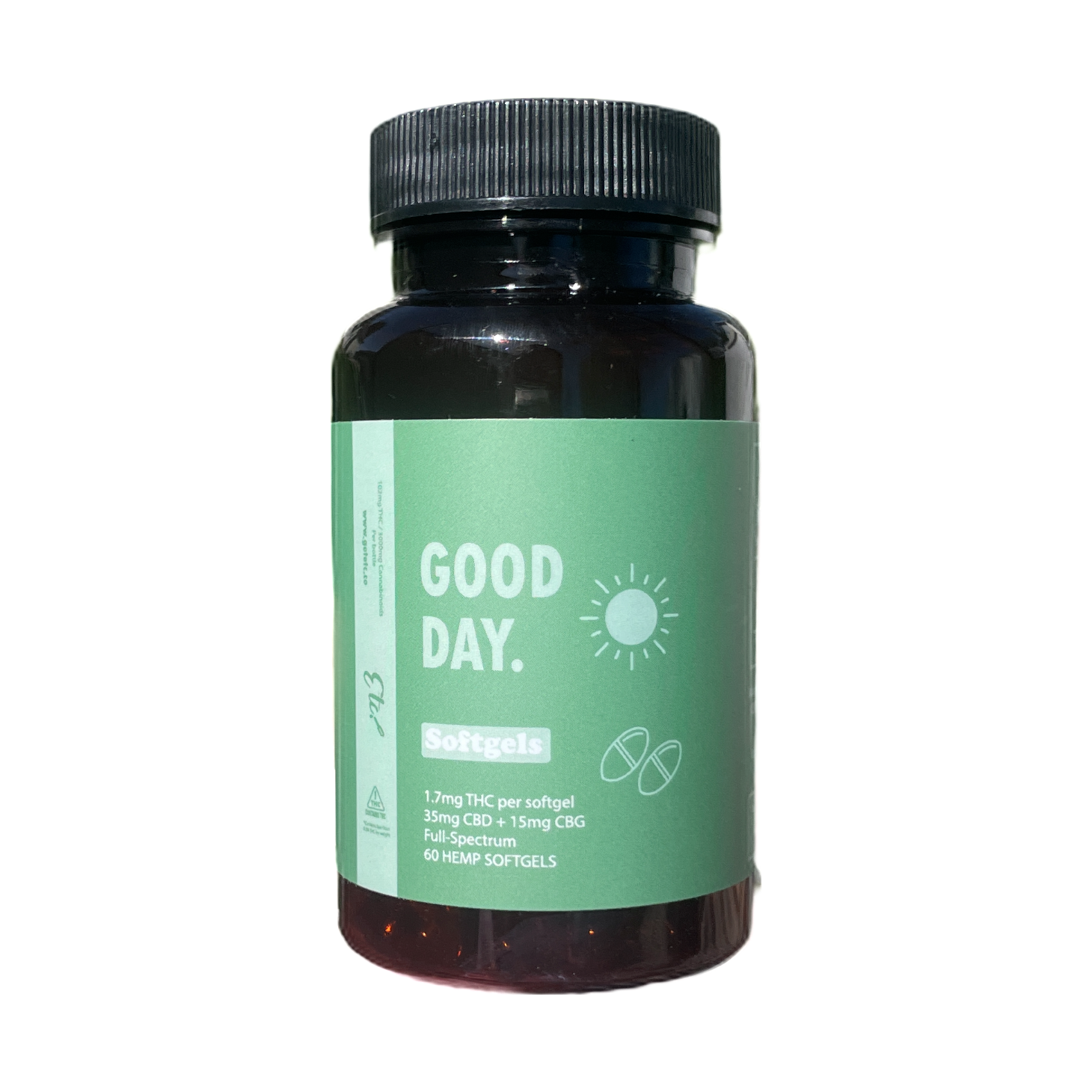
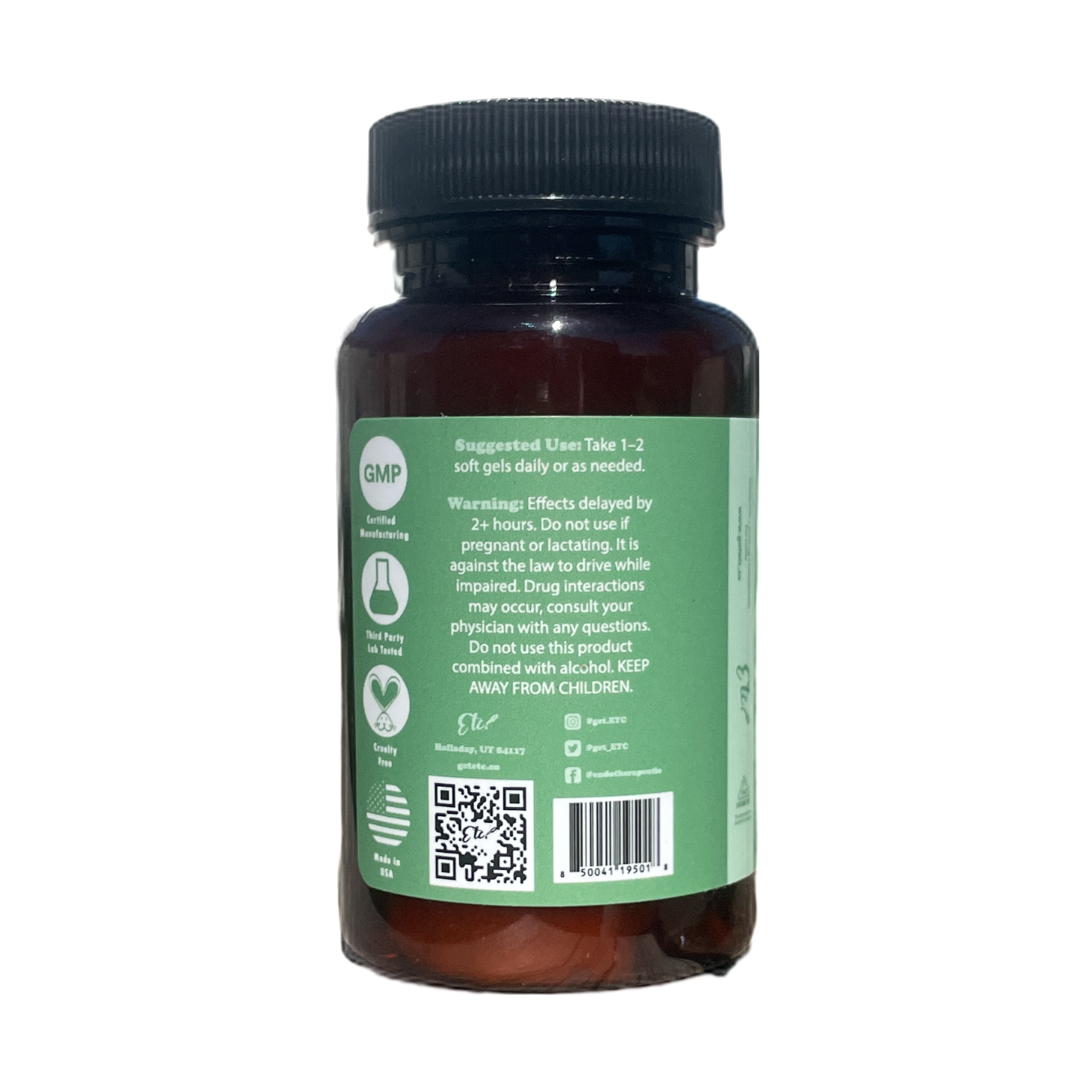
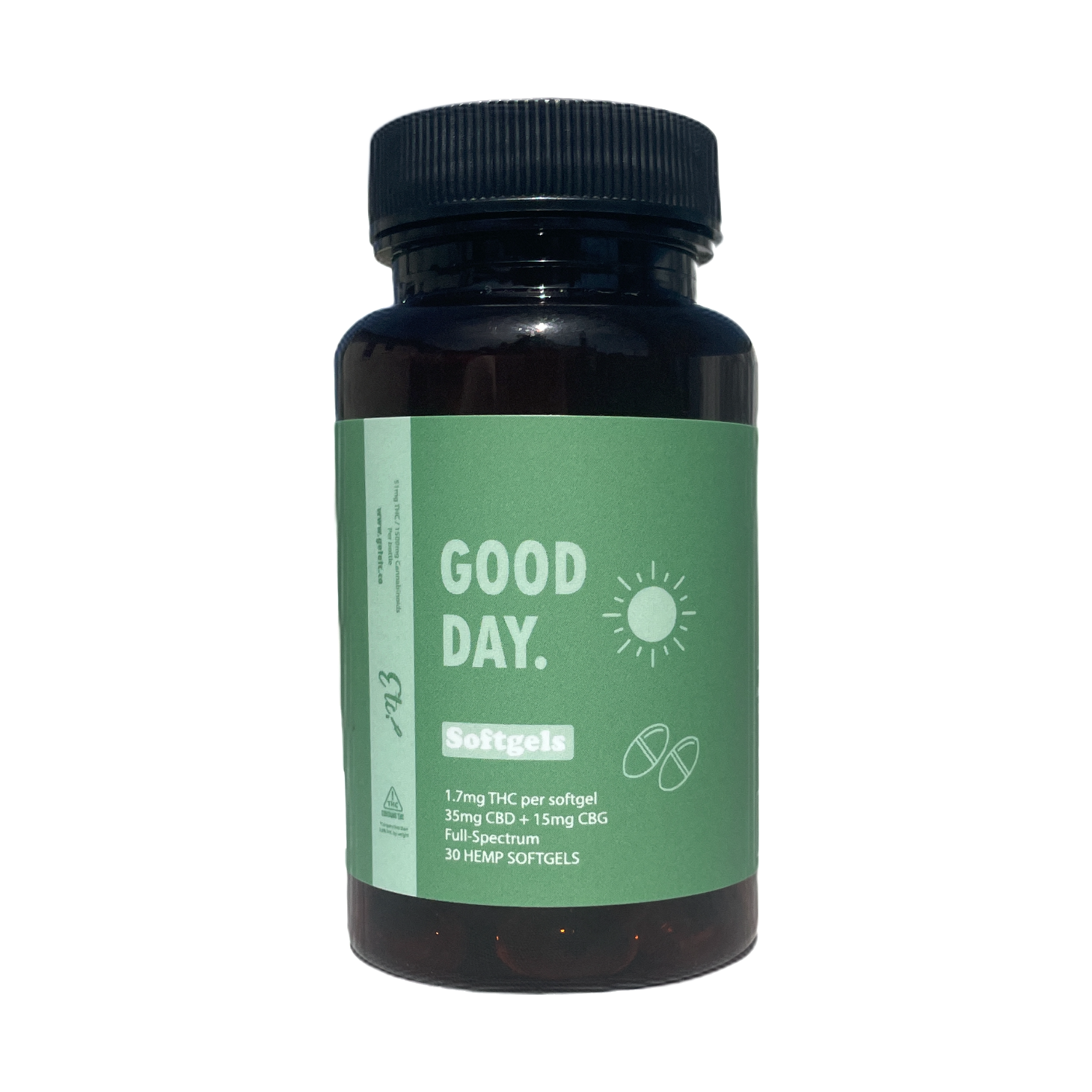
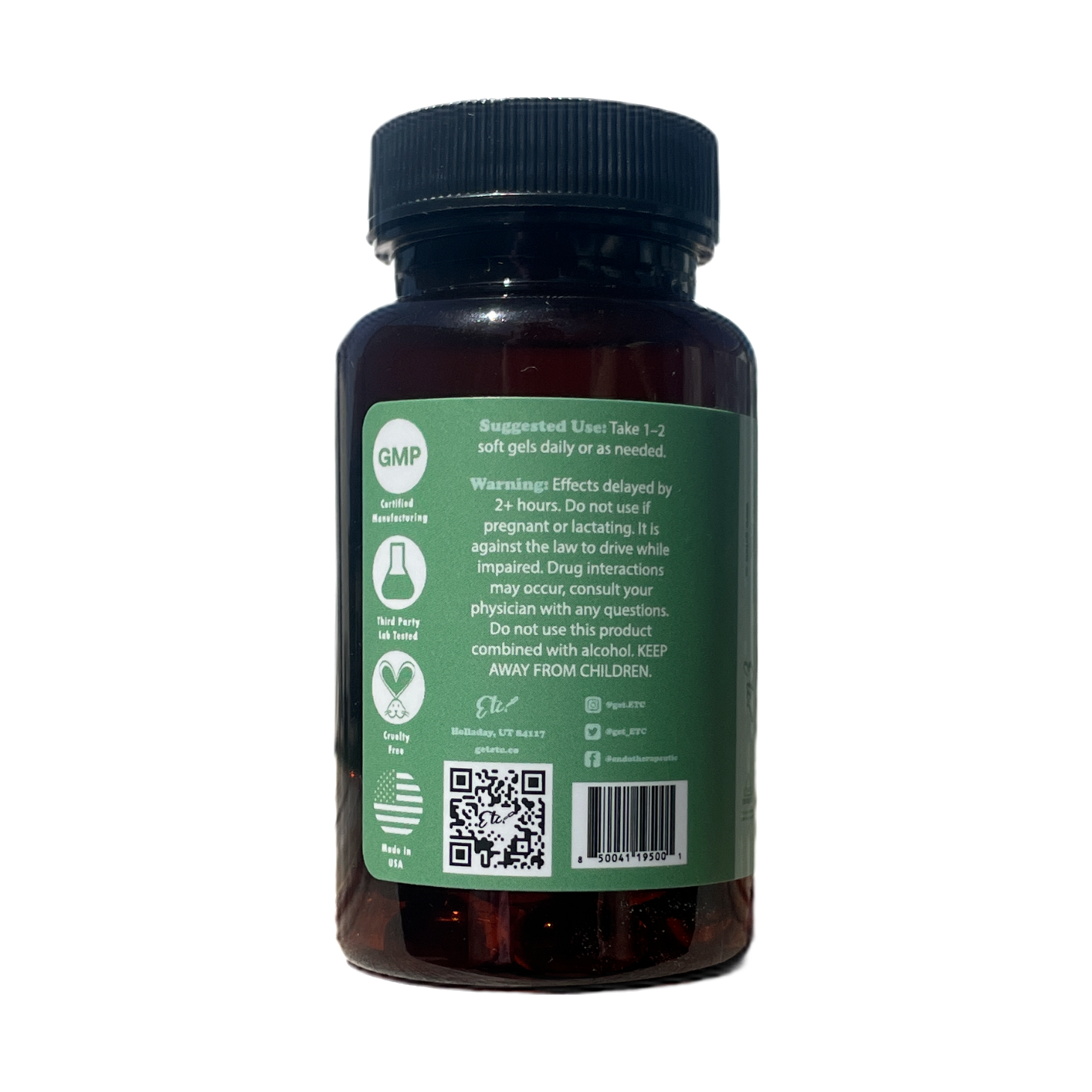
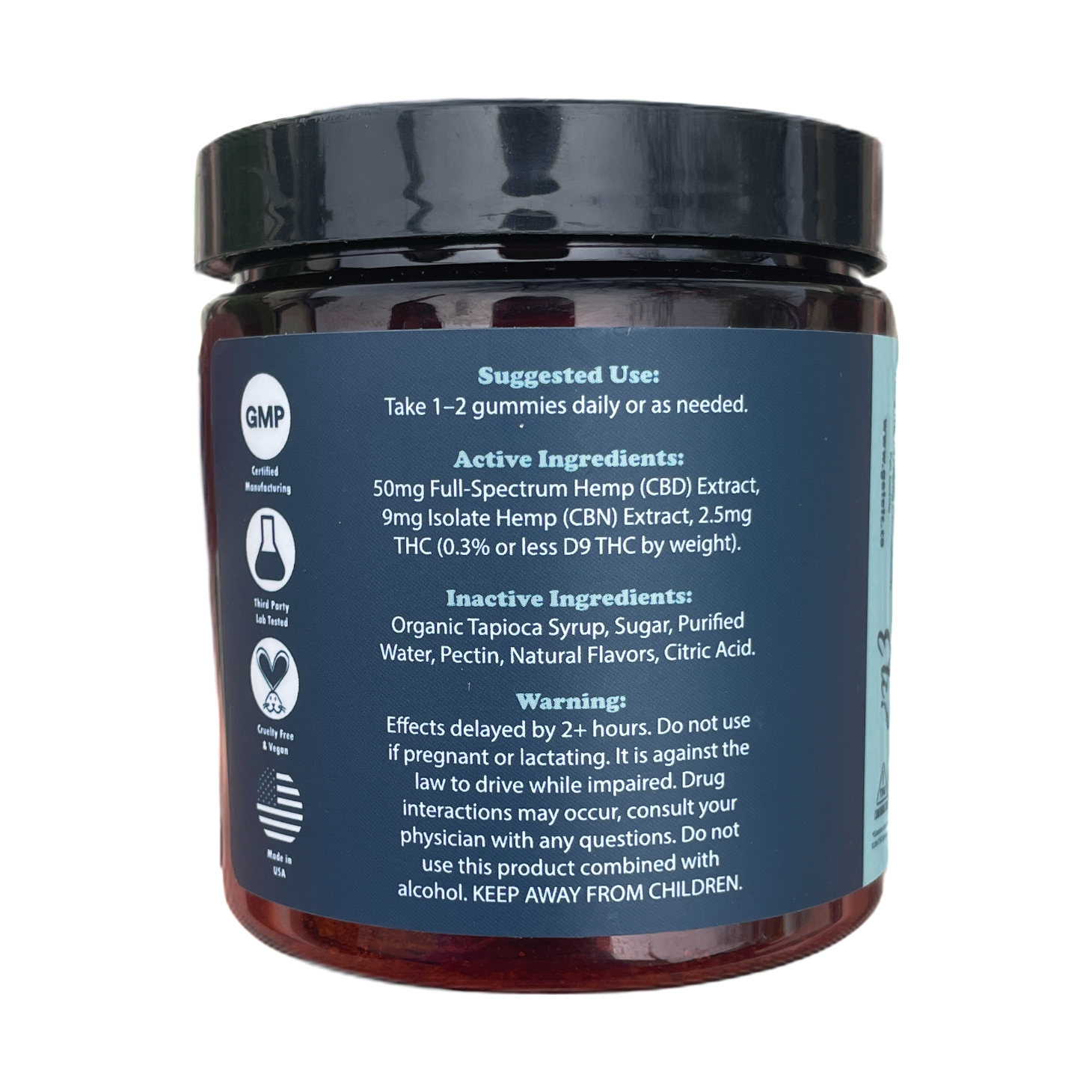
The Good Day formulation leans into daytime balance specifically. The base is full-spectrum hemp; the CBG is boosted, since CBG is associated with focus and sustained energy without the jittery edge. If you’ve been curious but not quite sure how it would fit into a morning or midday routine, the softgels are worth a look. No taste, no fuss, easy to slot in alongside whatever you’re already doing.
Why trust matters more than you think it does
Here’s the part that actually makes this work as a daily practice rather than a one-time experiment: you have to trust what you’re taking.
Not in a theoretical way. In the practical sense of, “I know what’s in this, I know the numbers are accurate, I can verify it myself.” That’s not a small thing in this category, where the market has more than its share of products making claims nobody can back up.
ETC’s COAs (certificates of analysis) are publicly posted at reliefetc.com/pages/coa. Every batch, third-party tested, right there. In Utah, third-party testing is legally required, which sets a floor. But making those results genuinely accessible to customers is a choice, and it’s one that turns a product into a practice you can actually rely on.
That reliability is what makes the daily part possible. You can’t build consistency around something you’re uncertain about.
The compounding return
Consistency shows up repeatedly in the ETC study data. Week-over-week, across all measured dimensions, participants improved steadily. Not a spike on day one. A reliable, building trend across eight weeks.
That tracks with how most sustainable wellness habits actually work. The payoff isn’t the first day. It’s the Tuesday afternoon three weeks in when you realize you’ve been genuinely present for most of your conversations, and you’re not sure exactly when that shift happened, but you’re glad it did.
Caffeine will always have its place. It’s a good tool. But if you’re noticing that sharpness alone isn’t the whole answer, the noise underneath the edge is worth paying attention to.
Some of what you’re looking for might already be in your system. It might just need a little backup.
Disclaimer: These statements have not been evaluated by the Food and Drug Administration. This product is not intended to diagnose, treat, cure, or prevent any disease. Consult your healthcare provider before starting any new wellness regimen.
Photo by Frames For Your Heart on Unsplash