




Finding stillness in an overstimulated world
Most people don’t go looking for stillness. They go looking for the next thing — the next task, the next notification, the next conversation — and then wonder, somewhere around 10pm, why they feel like they’ve been run through a washing machine.
The overstimulated life isn’t a character flaw. It’s basically the default setting right now. More inputs, faster cycles, shorter attention spans, higher expectations. And somewhere in the middle of all that, the version of yourself you actually want to be — patient, present, genuinely engaged with the people who matter to you — quietly gets crowded out.
Here’s the thing nobody talks about: stillness isn’t something you find by slowing down. It’s something you build trust in.
The problem isn’t busyness. It’s noise without resolution.
Busy is fine. Most people actually like being busy. What wears people down isn’t the full calendar — it’s the residue. The mental static that doesn’t clear between tasks. The low-grade hum of unfinished thoughts that follows you into dinner, into conversations with your kids, into the moments that are supposed to feel like yours.
You can be completely still physically and still be nowhere near quiet. You can sit in a chair in a quiet room and be mentally somewhere between three unread emails and a conversation you had in 2019.
Real stillness isn’t the absence of activity. It’s the presence of yourself. And it’s genuinely hard to get there when your nervous system has been on high-alert for the better part of a decade.
This is the part that matters: you don’t find your way back by trying harder. You find your way back by removing friction.
What “showing up” actually requires
Think about the moments in your life that have felt most alive — the ones you actually remember. A long dinner where nobody checked their phone. A walk where you noticed things. A conversation where you were completely there. A morning that felt like it belonged to you.
None of those moments required you to be superhuman. They required you to be present. And presence is hard to manufacture when your baseline is frazzled.
This is where consistency starts to matter more than intensity. The people who report the most meaningful changes in how they feel day-to-day aren’t usually the ones who made one dramatic shift. They’re the ones who built a routine that gently supported their system over time — and then noticed, weeks later, that they were showing up differently. More patient. More curious. Less reactive. More there.
In ETC’s own 8-week study, participants reported an average 30% improvement in overall wellbeing across mood, energy, and sleep. Mood showed the largest total gain over the study period. That’s not a number we throw around to impress anyone — it’s just what steady, consistent support looks like when it’s actually working.
Why trust is the foundation of a quiet mind
There’s a version of this conversation that jumps straight to product recommendations and calls it a day. But the reason people actually start a wellness routine — and stick with it — is trust. Not marketing trust. Earned trust.
When you’re trying something new, especially something in a category as crowded and unregulated (in many states) as hemp, the noise is significant. You deserve to know what’s actually in what you’re taking. Not because it makes for a good bullet point, but because that confidence is load-bearing. It’s the thing that lets you stop wondering and start noticing.
ETC publishes third-party lab results for every batch at reliefetc.com/pages/coa. No gatekeeping, no request process. That’s not about checking a compliance box — it’s about giving you one less thing to second-guess so you can pay attention to how you actually feel.
Building a stillness practice that doesn’t require a monastery
The goal here isn’t enlightenment. It’s Tuesday morning feeling manageable. It’s being able to have a real conversation at the end of a hard day instead of just surviving until bedtime.
A few things that are genuinely worth trying:
One, identify where your day most reliably falls apart. For most people, it’s either the first 30 minutes (before the day has even started, the brain is already five steps ahead) or the transition from work to home. Those are the moments worth protecting most.
Two, pair a consistent routine with a consistent intention. The routine can be simple — same time, same ritual, same product if that’s part of it. The intention is just deciding to notice. Not perform noticing. Actually notice.
Three, give it time. Your nervous system didn’t get loud overnight, and it won’t get quiet overnight either. The ETC study results improved consistently week over week, not in a single spike. That pattern reflects real life.
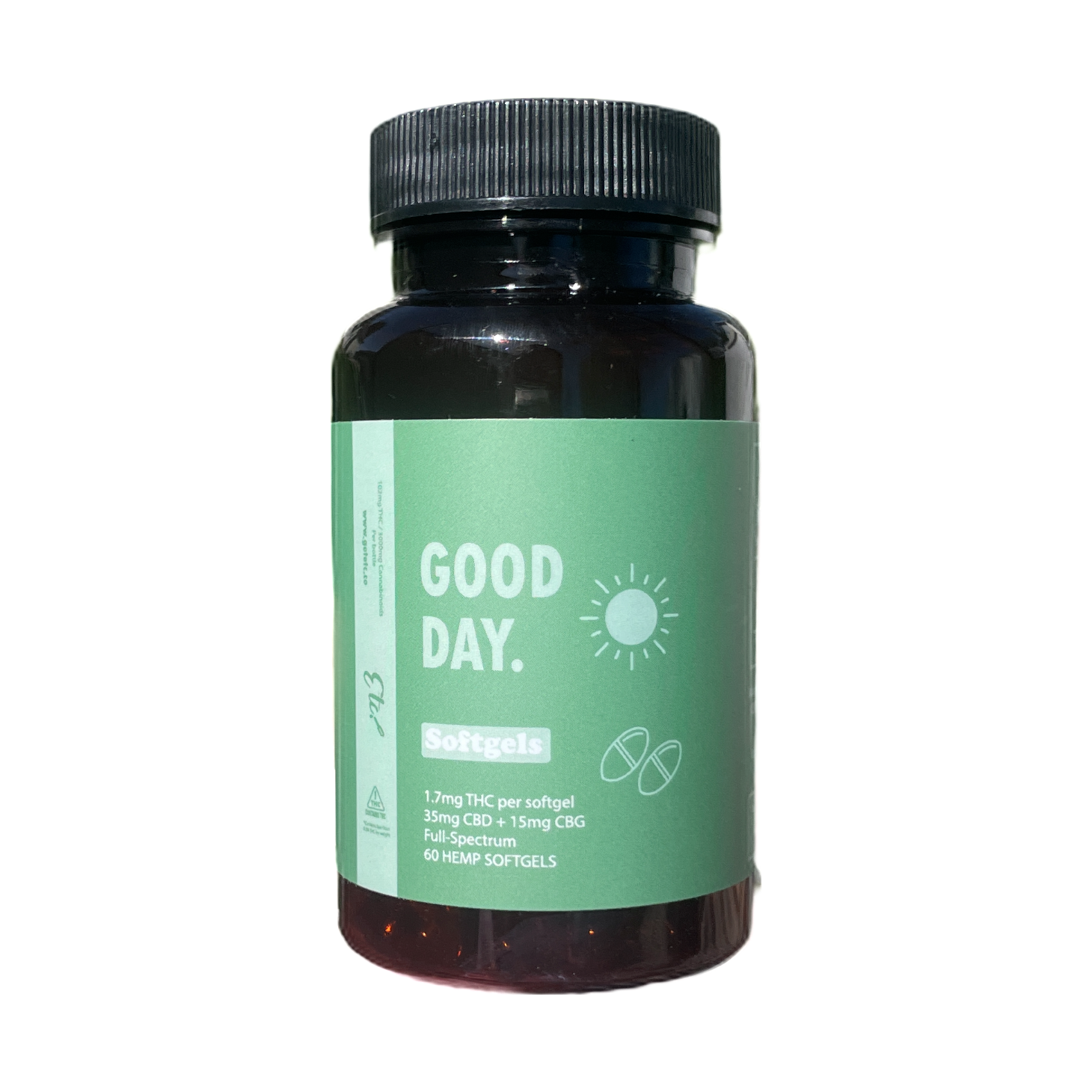
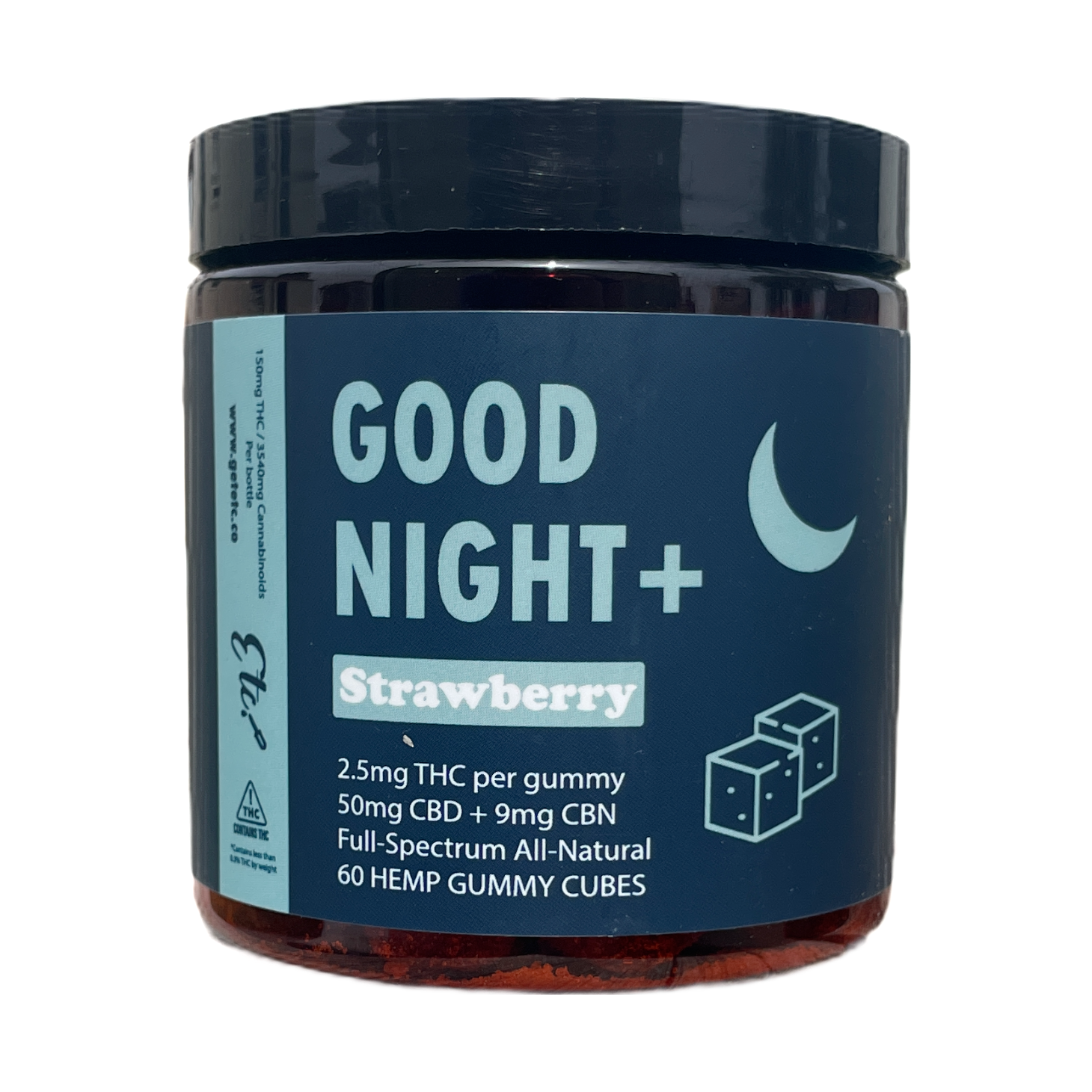
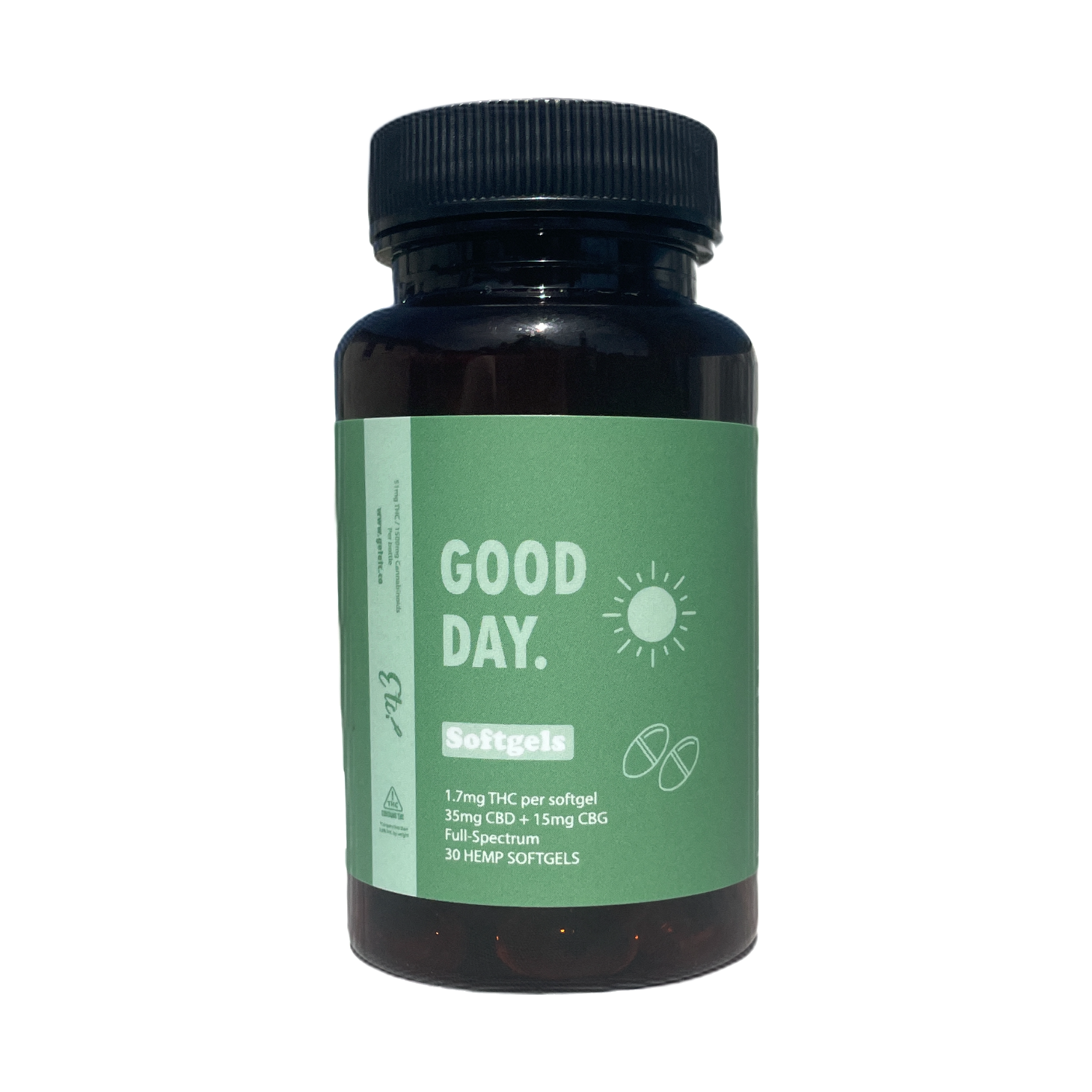
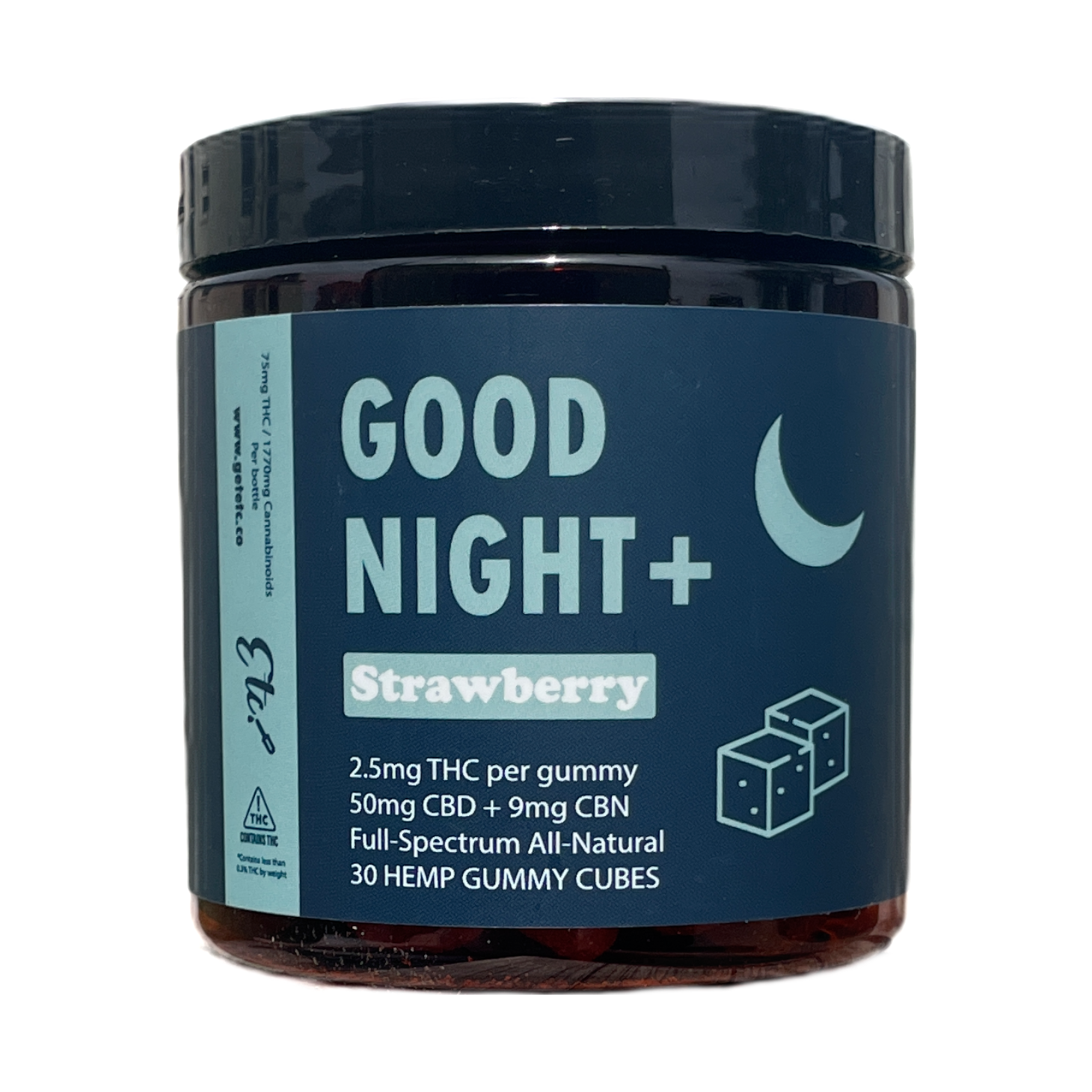
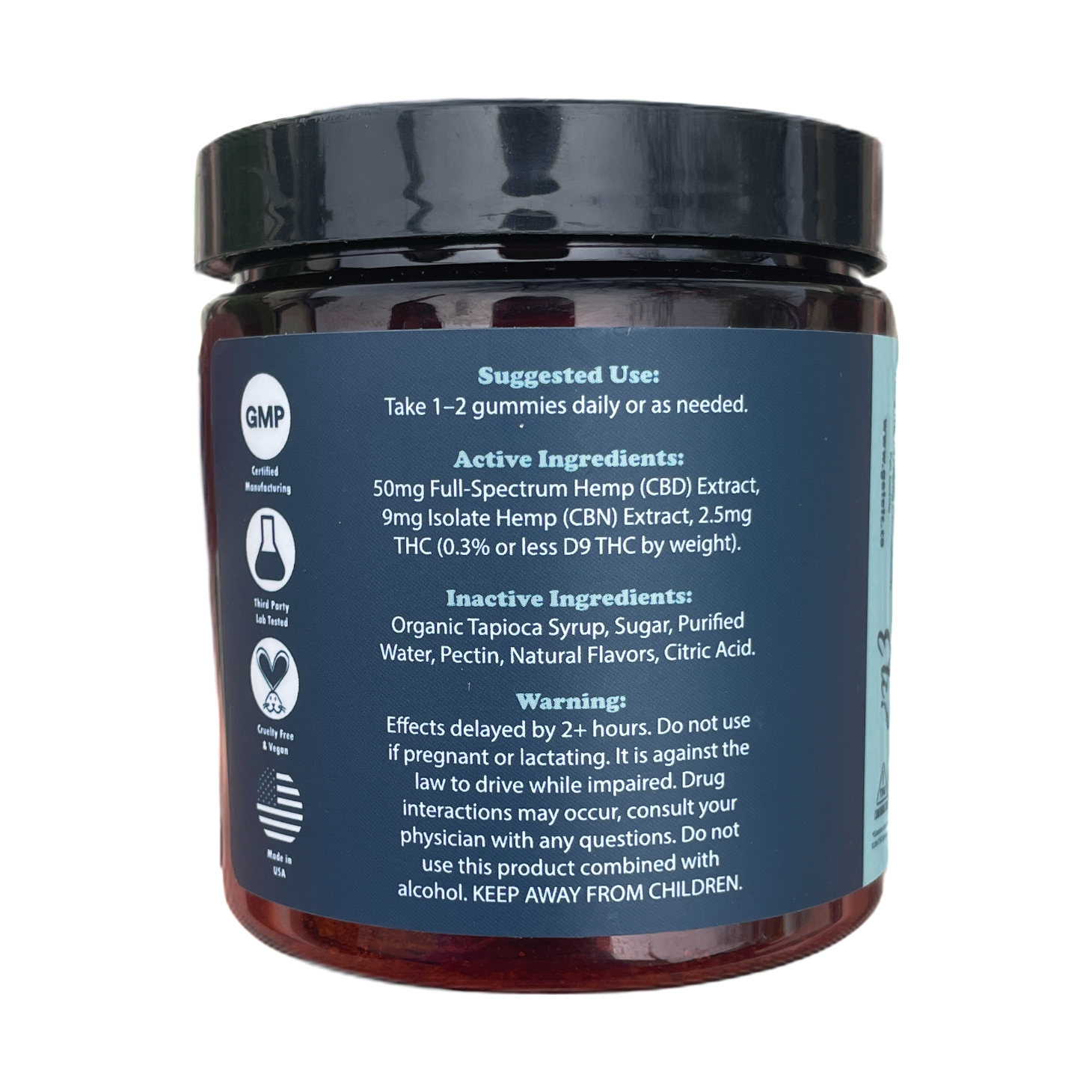
If you’re looking for a place to start, the Good Night line is formulated for evening wind-down, with boosted CBN to support that shift from activated to settled. But honestly, the more important question is: what does your day actually need? If mornings are where you lose the thread, that’s a different conversation.
The payoff isn’t just feeling calmer
It’s worth naming clearly: the reason any of this matters isn’t relaxation for its own sake. It’s what you do with it. The patience you have for your kids when you’re not running on fumes. The quality of attention you bring to your work when your mind isn’t already somewhere else. The way you move through a hard conversation when you’re not braced for impact before it starts.
Stillness is infrastructure. It’s what makes the rest of your life more like the version of it you actually want to be living.
That’s the real return on a wellness routine. Not a single calm evening. A different baseline — one where the people and moments that matter to you get more of you, not the leftover scraps.
That version of yourself is already there. You just need to stop crowding it out.
Disclaimer: These statements have not been evaluated by the Food and Drug Administration. This product is not intended to diagnose, treat, cure, or prevent any disease. Consult your healthcare provider before starting any new wellness regimen.
Photo by Dingzeyu Li on Unsplash