




The Calm Science Behind a Better Bedtime
You probably think CBN is a sleep ingredient the way melatonin is a sleep ingredient: take it, get tired, repeat. A shortcut you swallow.
That’s not quite what’s happening. And once you understand the actual picture, you’ll stop hunting for shortcuts and start building something that works a lot longer than one night.
What CBN Actually Is
Cannabinol, or CBN, isn’t manufactured in a lab. It starts as THC inside the hemp plant and slowly converts as the plant ages and is exposed to oxygen. By the time it reaches a finished product, CBN is a distinct compound with its own properties, and its own relationship with your body’s endocannabinoid system.
The endocannabinoid system (ECS) was only discovered in the early 1990s. For context, that’s after the internet went public and before most people had a cell phone. We’ve known about this regulatory network for barely three decades, which is one reason it doesn’t come up at your annual physical. But it’s been inside you your entire life, maintaining balance across sleep, mood, appetite, and more.
Your body actually produces its own cannabinoids. You’re already running this system every day. What CBN does is support that system from the outside, the way you’d refill something that’s been running a little low.
The “Just Add Melatonin” Problem
Melatonin is a hormone signal. It tells your brain it’s dark outside. That’s useful, but it’s one signal, aimed at one part of the process. If your body is wired from the day, if your muscles are still holding onto tension from a long drive or a hard conversation, a darkness signal alone isn’t going to move the needle much.
CBN works differently. It interacts with the broader ECS, which has a hand in multiple things that need to settle before genuine rest can happen: physical ease, the gradual release of the day’s accumulated tension, the quiet that lets your body shift modes. It’s not a single-note signal. It’s more like turning a dial that affects several systems at once.
That’s also why full-spectrum products tend to perform better than isolates. When CBN is working alongside CBD, trace THC, and other naturally occurring cannabinoids in the hemp plant, the compounds support each other. The whole is genuinely more than the sum of its parts. Researchers call it the entourage effect. Regular users tend to call it “this actually works.”
The Empowered Version of This Decision
Here’s where the framing shifts from chemistry to choice.
A lot of people approach sleep supplements passively: something goes wrong, they reach for whatever’s nearby, they hope. The version of this that actually changes things looks different. It starts with reading the label. Understanding what’s in the product, where those compounds come from, and whether a third party has confirmed the contents match what’s printed.
That might sound like homework. It is, a little. But it’s also the move that separates people who get results from people who decide “this stuff doesn’t work” after one frustrating week. The person who chooses a verified, full-spectrum product and then takes it consistently, every evening, for three or four weeks? That person is operating from knowledge, not hope. And knowledge compounds.
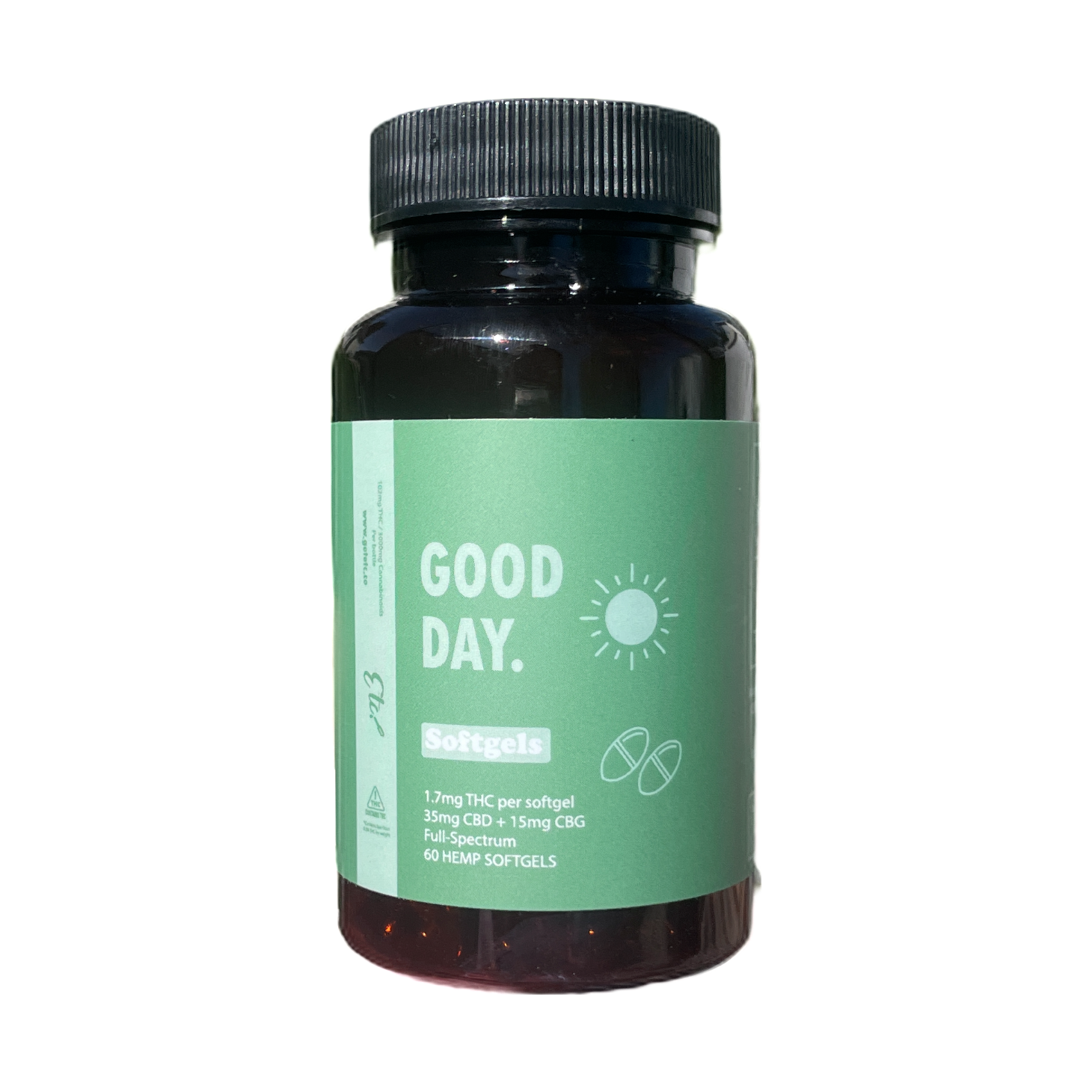
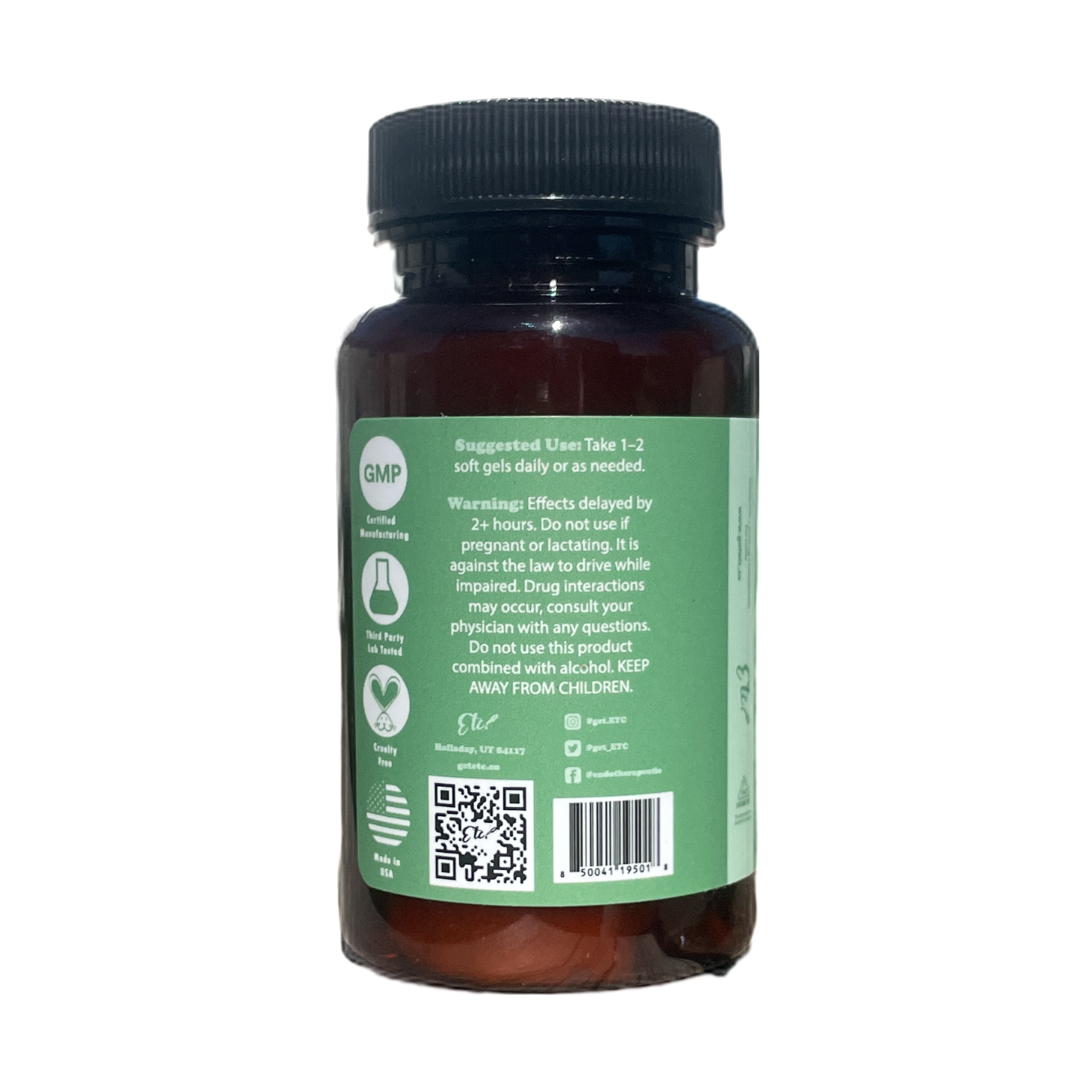
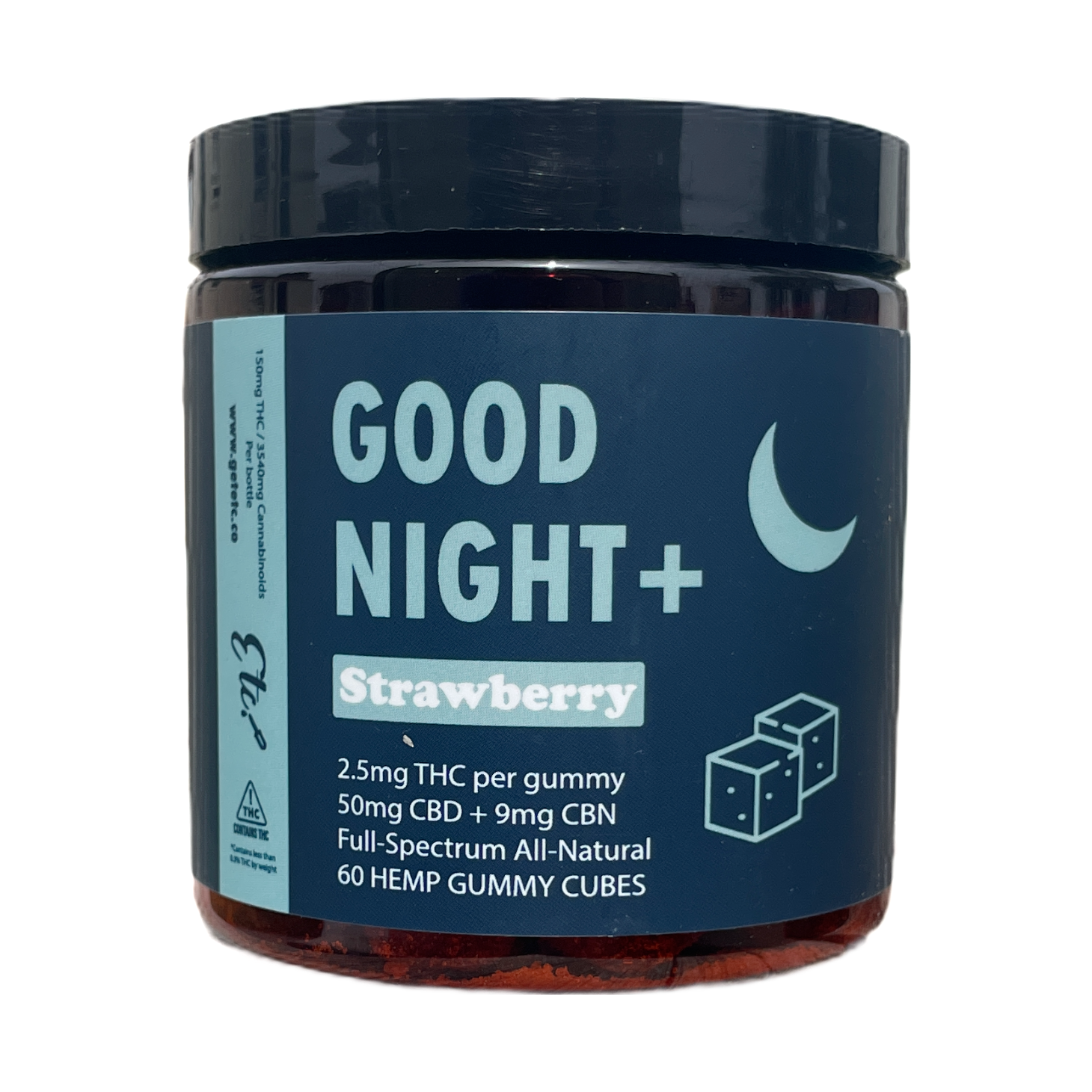
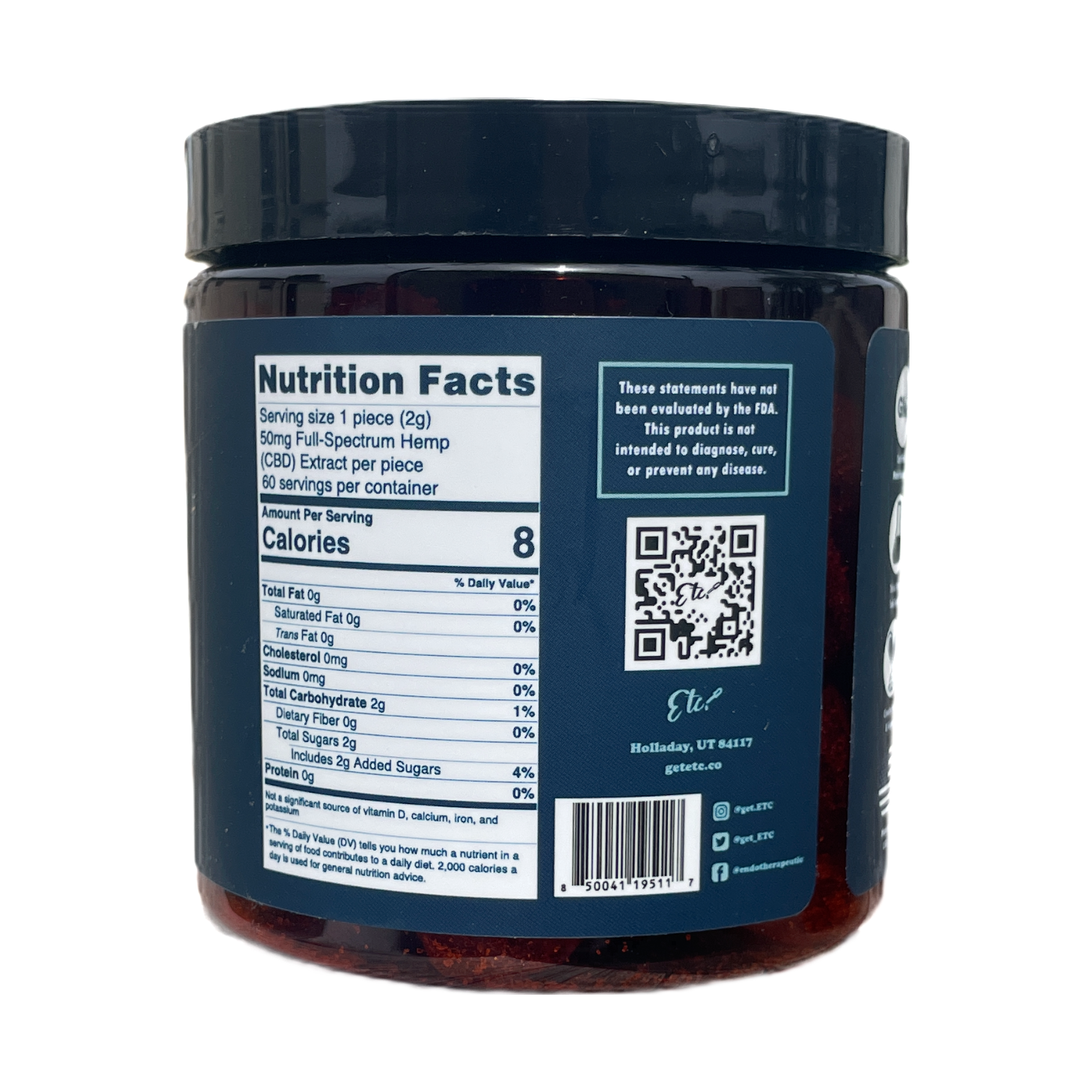
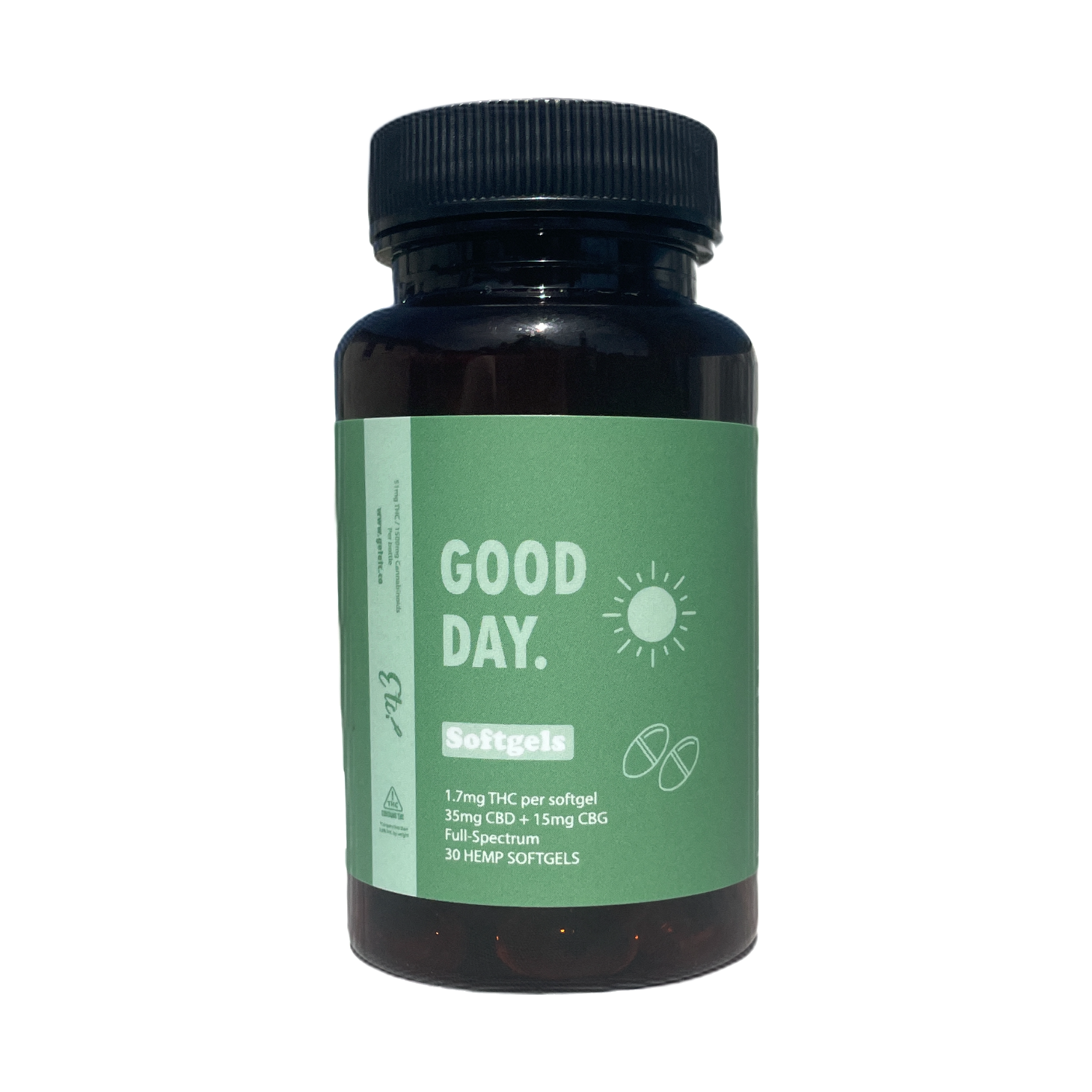
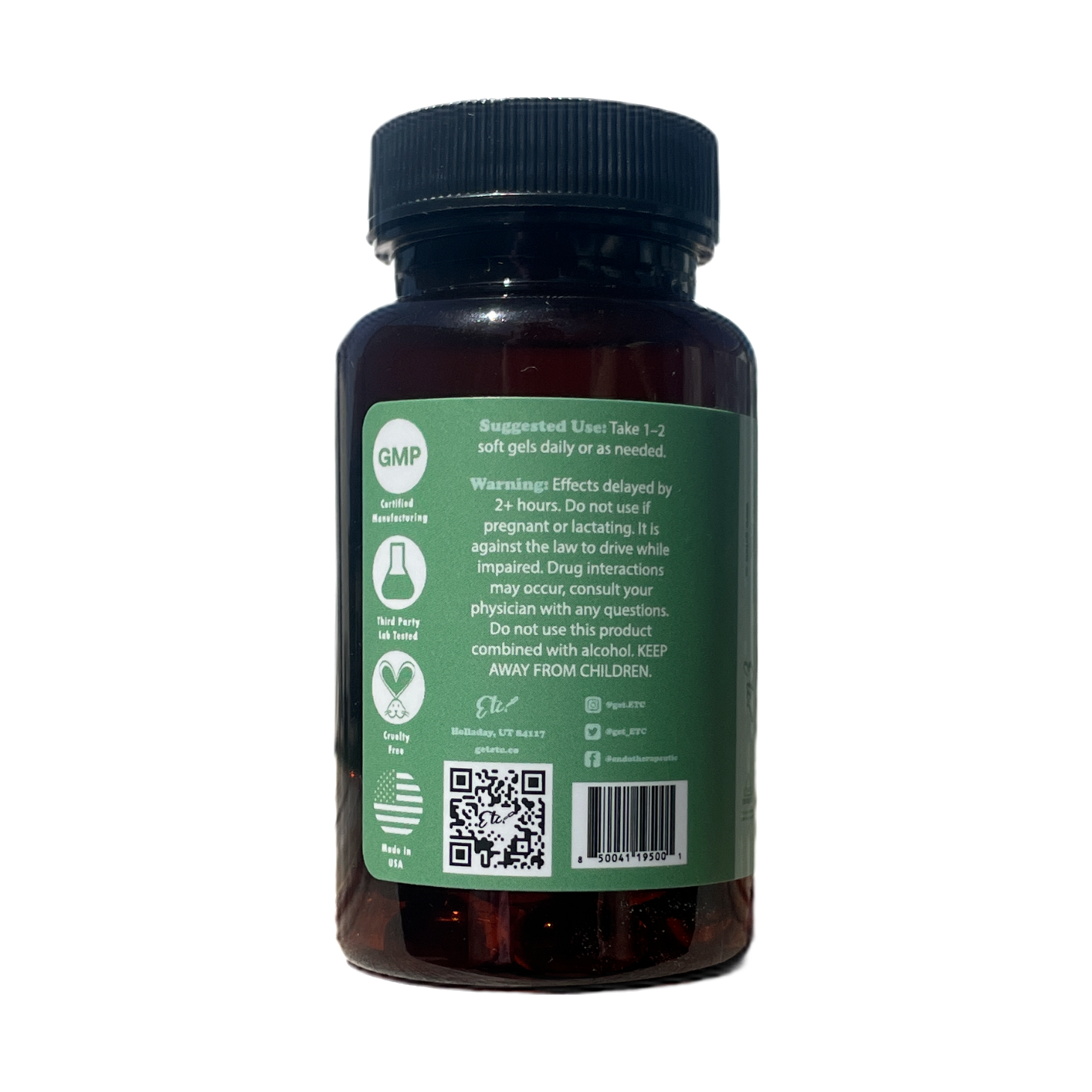
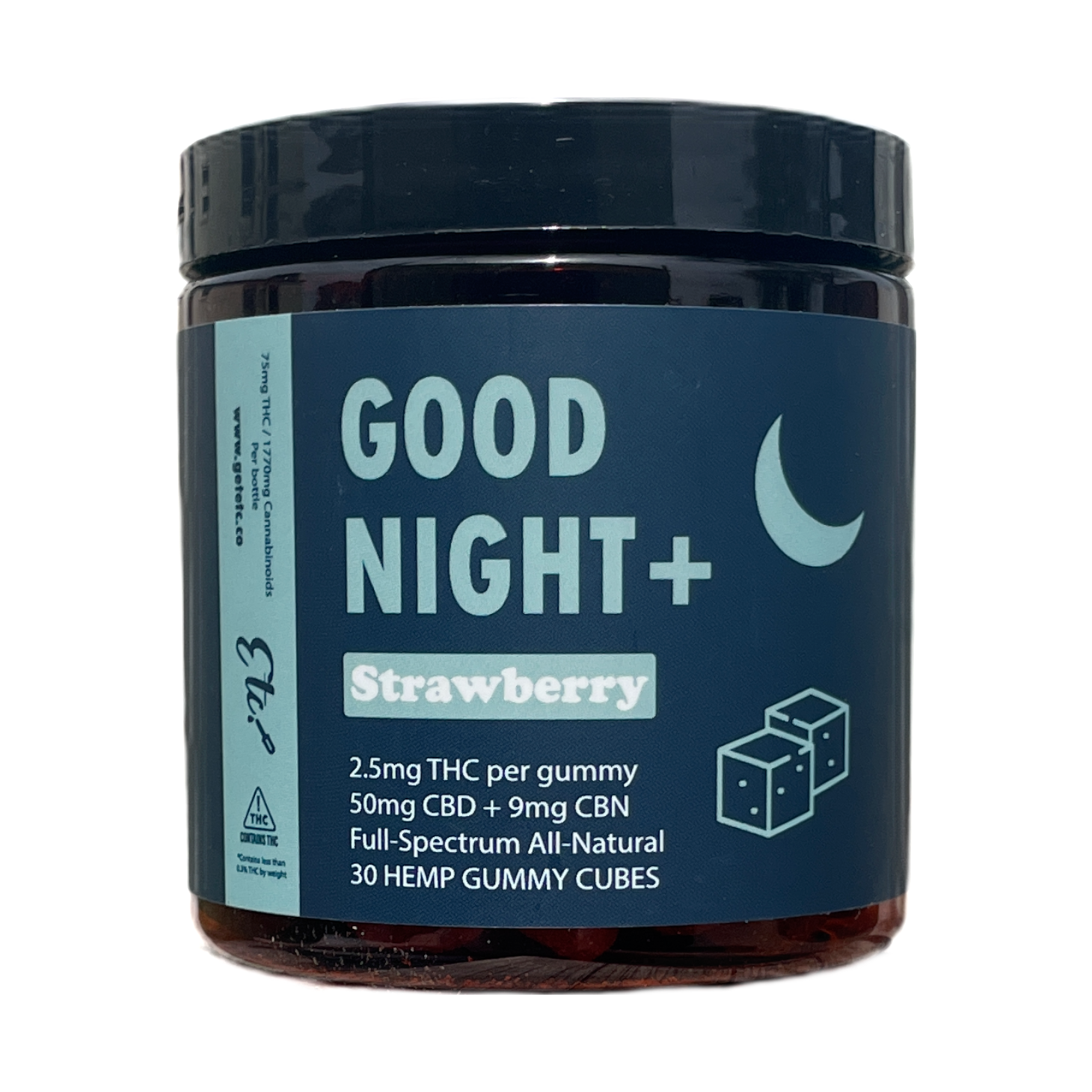
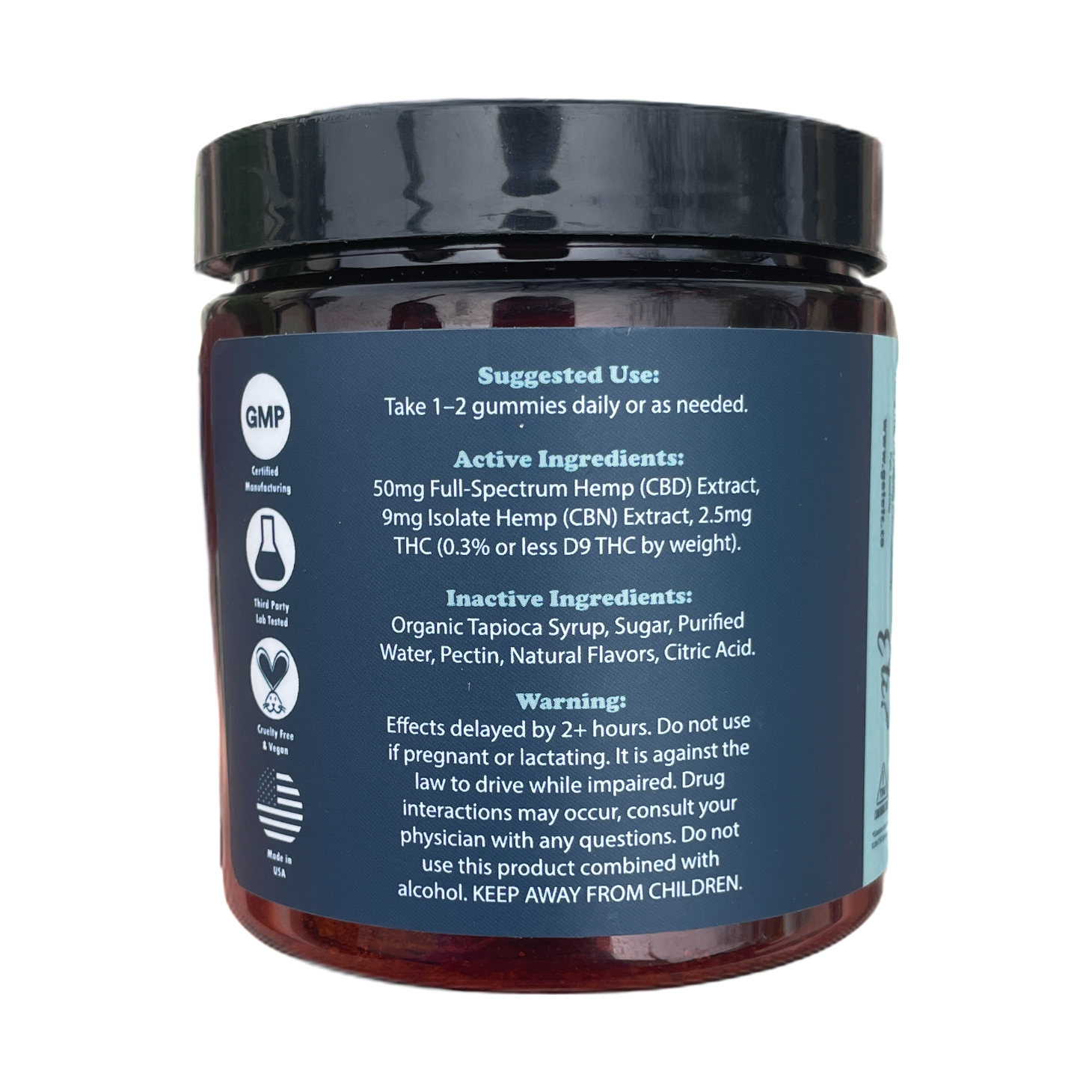
Good Night from ETC is built around this idea. The base formula is full-spectrum hemp, and CBN is specifically boosted to support evening wind-down. It’s available as softgels (no taste, easy to swallow) or as gummies made with real fruit pulp. Both formats deliver the same thing: a consistent serving, every night, that you can actually verify if you want to. The certificates of analysis are published and public at reliefetc.com/pages/coa.
That last detail is supporting evidence, not the headline. The headline is that you get to make an informed choice. That’s what the verification is for.
Timing and Patience
CBN isn’t instant. Effects typically begin in 30 to 90 minutes, sometimes taking up to two hours to fully settle in. That matters for how you use it. Taking Good Night ten minutes before you want to be asleep and then deciding it “didn’t work” is like judging a slow-roasted meal at the 15-minute mark.
Build the routine first. Same time each evening. Give it at least a week before you assess. Some people notice something on night one. Others find the shift more gradual, something they recognize after a few weeks when they realize the 2 a.m. ceiling-staring has quietly stopped. Both are normal. The individual variation in cannabinoid response is real. What isn’t variable is this: consistency matters more than any single dose.
What Happens When Rest Actually Lands
This is the part worth dwelling on.
When your evenings actually work, when you cross from wired to calm, from awake to genuinely rested, it changes the next day too. You have more capacity. You’re less reactive. The same conversation that would have snagged you on a bad-sleep Tuesday goes differently on a Thursday when you’ve slept well three nights in a row.
That’s not a chemical effect anymore. That’s your life, running better. The patience it took to choose correctly and stay consistent pays forward in ways that are hard to attribute to any single evening, but impossible to miss over time.
People who build a real evening routine with a product they actually trust don’t usually describe it as “taking a supplement.” They describe it as having their nights back. That’s the version worth building toward.
Starting Simply
If you’re new to CBN or to full-spectrum hemp generally, the Good Night line is the natural starting point. Browse Good Night here and start with the lowest recommended serving. Give it two weeks before you adjust anything. Notice what shifts, not just at bedtime, but the next morning.
The goal isn’t to knock yourself out. It’s to support a system your body is already running, give it what it needs to do its job, and then trust the process long enough to see what’s actually possible.
Turns out, that’s a pretty good definition of a good night.
Disclaimer: These statements have not been evaluated by the Food and Drug Administration. This product is not intended to diagnose, treat, cure, or prevent any disease. Consult your healthcare provider before starting any new wellness regimen.
Photo by Maddi Bazzocco on Unsplash