




How Full-Spectrum CBD Keeps More of the Story
Isolate CBD is probably the most rational choice on paper. One compound, known quantity, nothing extra. If you believe in simplicity, isolate makes sense. The problem is that the plant doesn’t agree with you.
That’s not a knock on isolate products. It’s a description of what happens when you take a plant with over a hundred active compounds and decide only one of them matters. Something gets left behind. And once you understand what, the “rational” choice starts looking a little less rational.
What the Whole Plant Actually Contains
Hemp isn’t a single-molecule machine. It’s a system. Along with CBD, a full-spectrum hemp extract carries CBG, CBN, CBC, trace amounts of THC (well under the 0.3% federal legal limit), terpenes, and dozens of other compounds that most people have never heard of and couldn’t name on a quiz. Researchers have identified at least 113 distinct medicinal compounds in the cannabis plant. Most of them don’t make it into isolate products.
The question worth sitting with is: does that absence matter?
Researchers who’ve looked at this closely believe it does. The working theory, now with a name most people in the hemp space have heard, is called the entourage effect. The idea is that these compounds don’t just add to each other; they interact in ways that change what each one does individually. CBD in the presence of CBG behaves differently than CBD alone. Add a small amount of THC, and you shift the profile again. The compounds seem to modulate each other’s effects, filling in gaps, softening edges, and reinforcing whatever the primary cannabinoid is doing.
Think of it less like a blend and more like a conversation. Take one voice out of the room and the conversation changes.
Why This Matters More Than It Sounds
You’ve probably seen the phrase “full-spectrum” on enough labels that it’s started to blur. That’s a marketing problem, not a chemistry one. The underlying concept holds up: full-spectrum extracts preserve the compound relationships that exist in the plant. Isolates, by definition, do not.
This matters in practice because the person using a hemp product isn’t a controlled lab setting. You’re a person with a schedule, a stress level, a sleep pattern, and a body that has its own relationship with balance. Your endocannabinoid system, which you already have and use every day without thinking about it, was built to interact with a range of cannabinoids, not just one.
The ECS maintains what the body needs to keep stable. When life piles on, and it does, the system can use support. Full-spectrum products offer that support in a form closer to what the plant evolved to provide.
The Empowered Choice Is the Informed One
Here’s the shift that changes how people shop for wellness products: moving from “what does this do?” to “what am I actually getting?”
Most people don’t read the cannabinoid breakdown on a label. They look at the milligrams of CBD, check the price per serving, and move on. That’s understandable. But it leaves a lot of information on the table, because not all hemp products are built the same way.
A well-formulated full-spectrum product will list its cannabinoid profile. You’ll see CBD as the dominant compound, and you’ll see smaller amounts of the others alongside it. That breakdown tells you something isolate products can’t: that the manufacturer started with the whole plant and protected what was there. The certificate of analysis confirms what’s in the bottle, and for verified products, those COAs are publicly available. But the cannabinoid diversity itself is the signal worth reading first. You can verify ETC’s full-spectrum profiles at reliefetc.com/pages/coa.
That kind of literacy doesn’t require a chemistry degree. It just requires deciding to look. And once you start looking, you become a different kind of consumer. Not a more anxious one, but a more capable one.
Daytime and Evening Profiles
Full-spectrum products can be fine-tuned. That’s not a workaround for the entourage effect; it’s an extension of it.
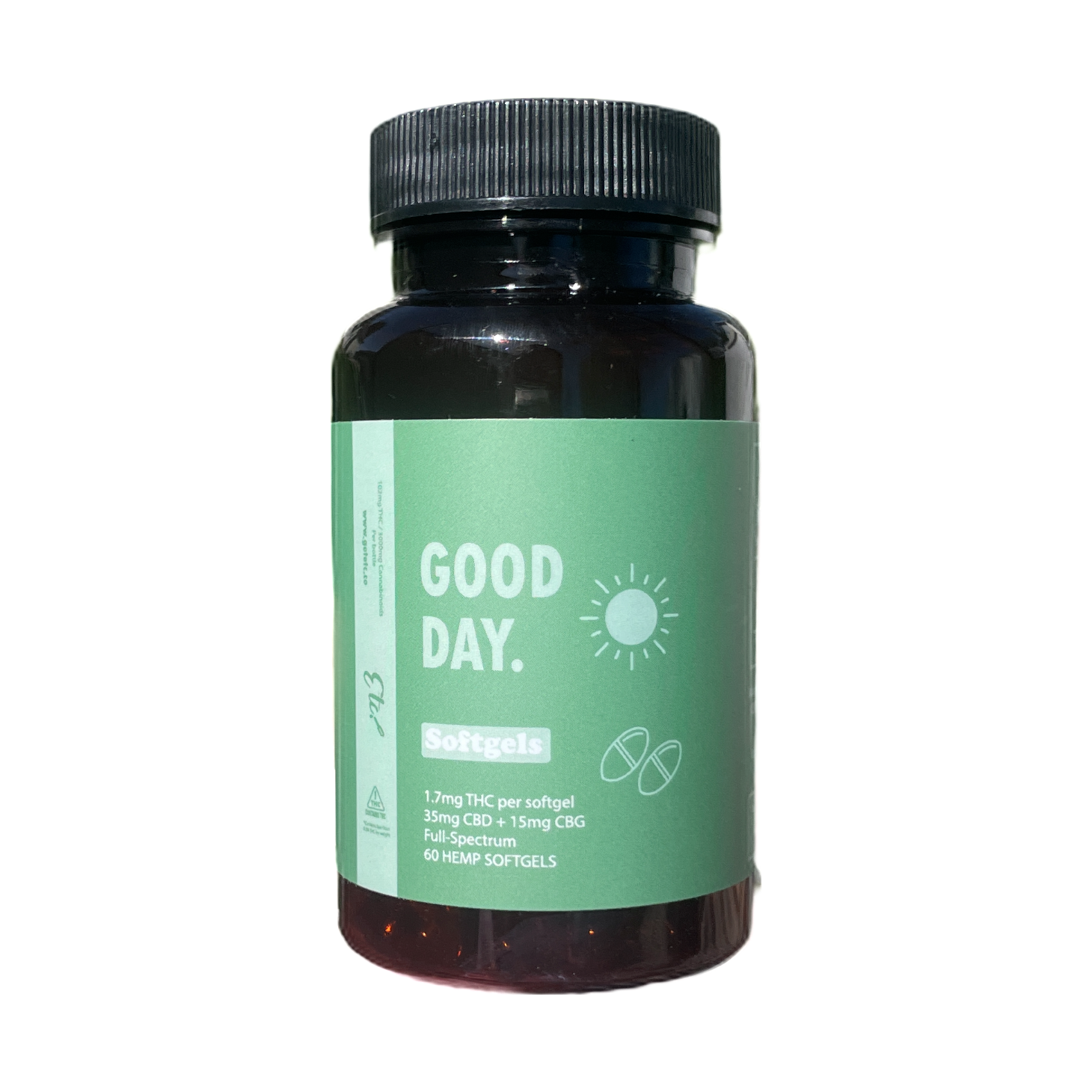
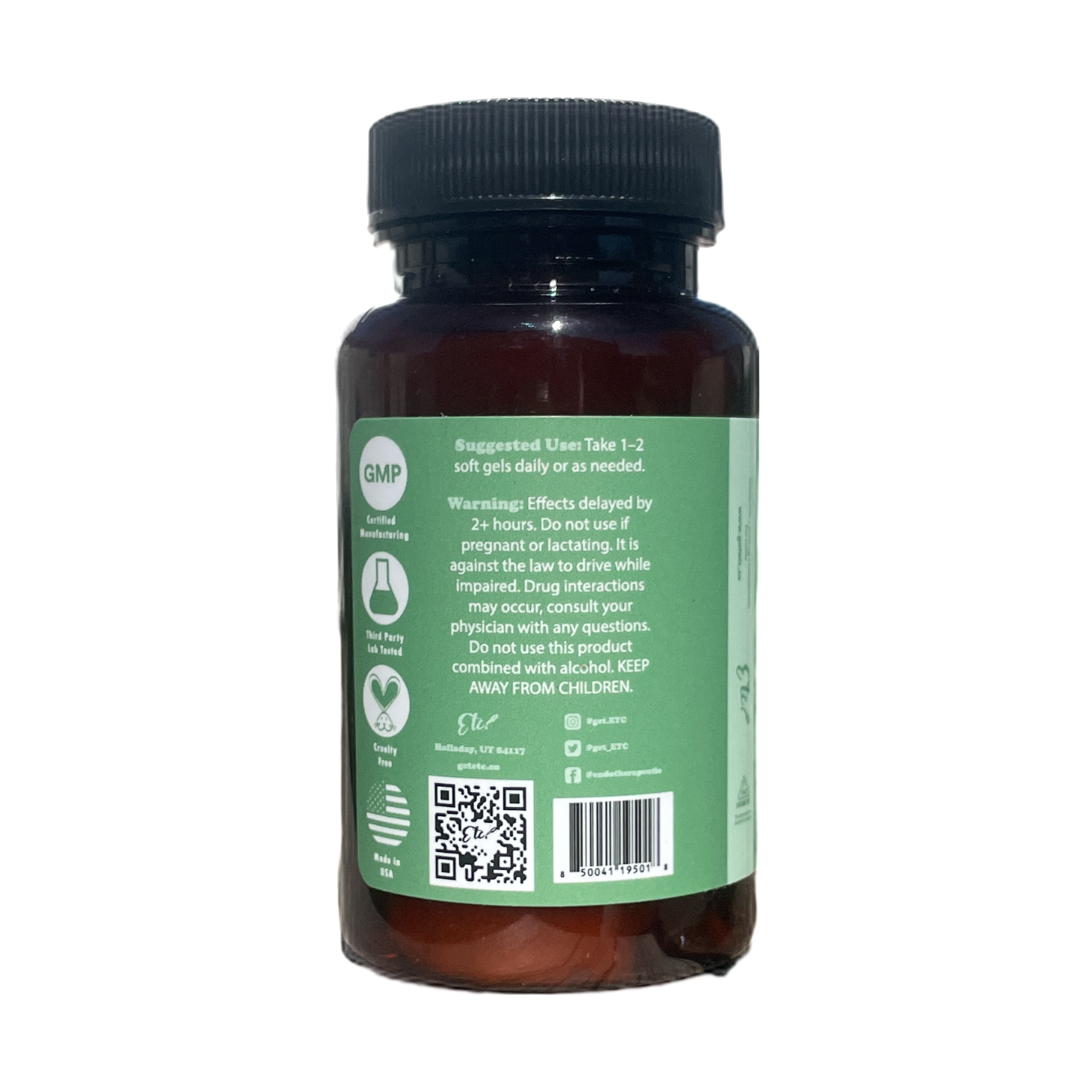
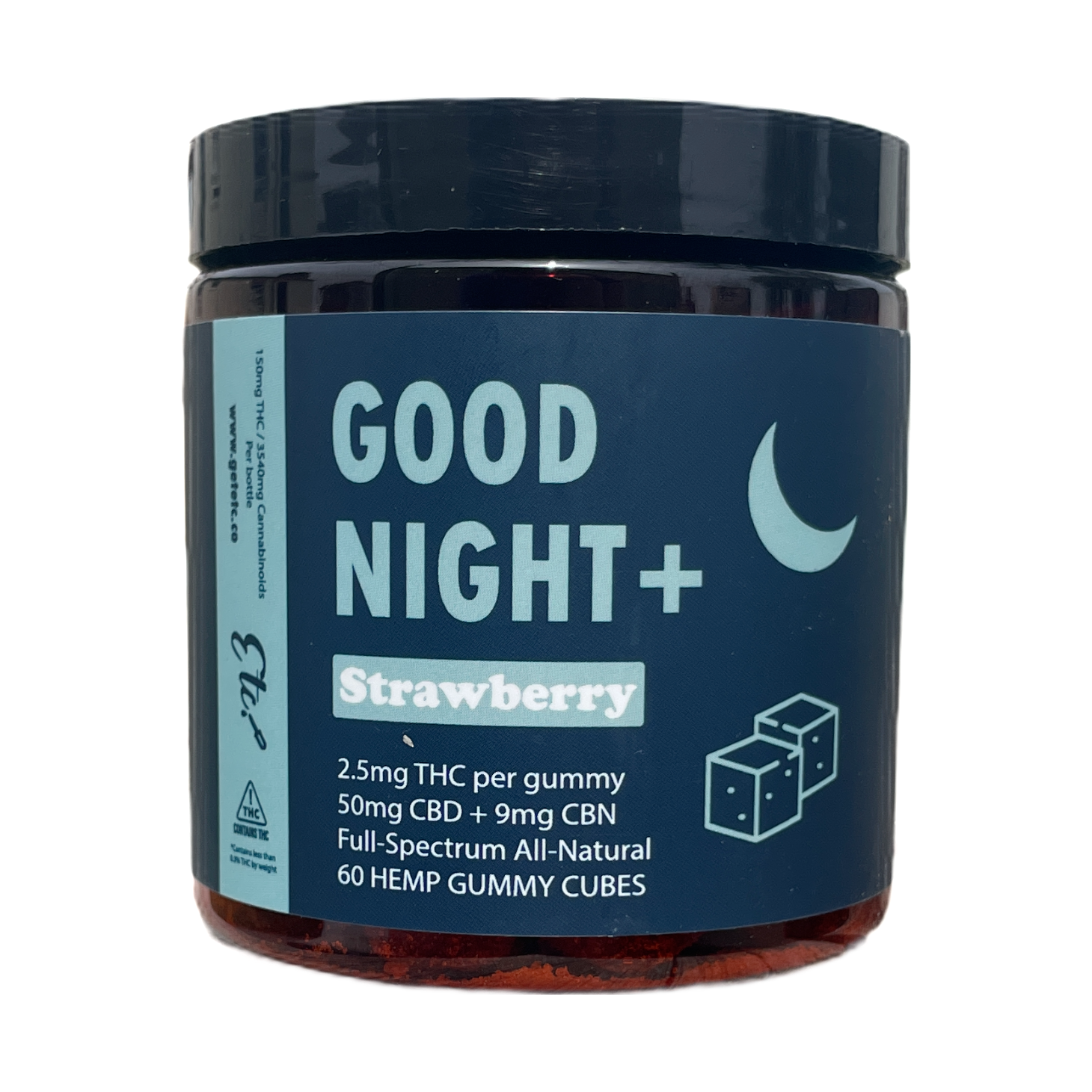
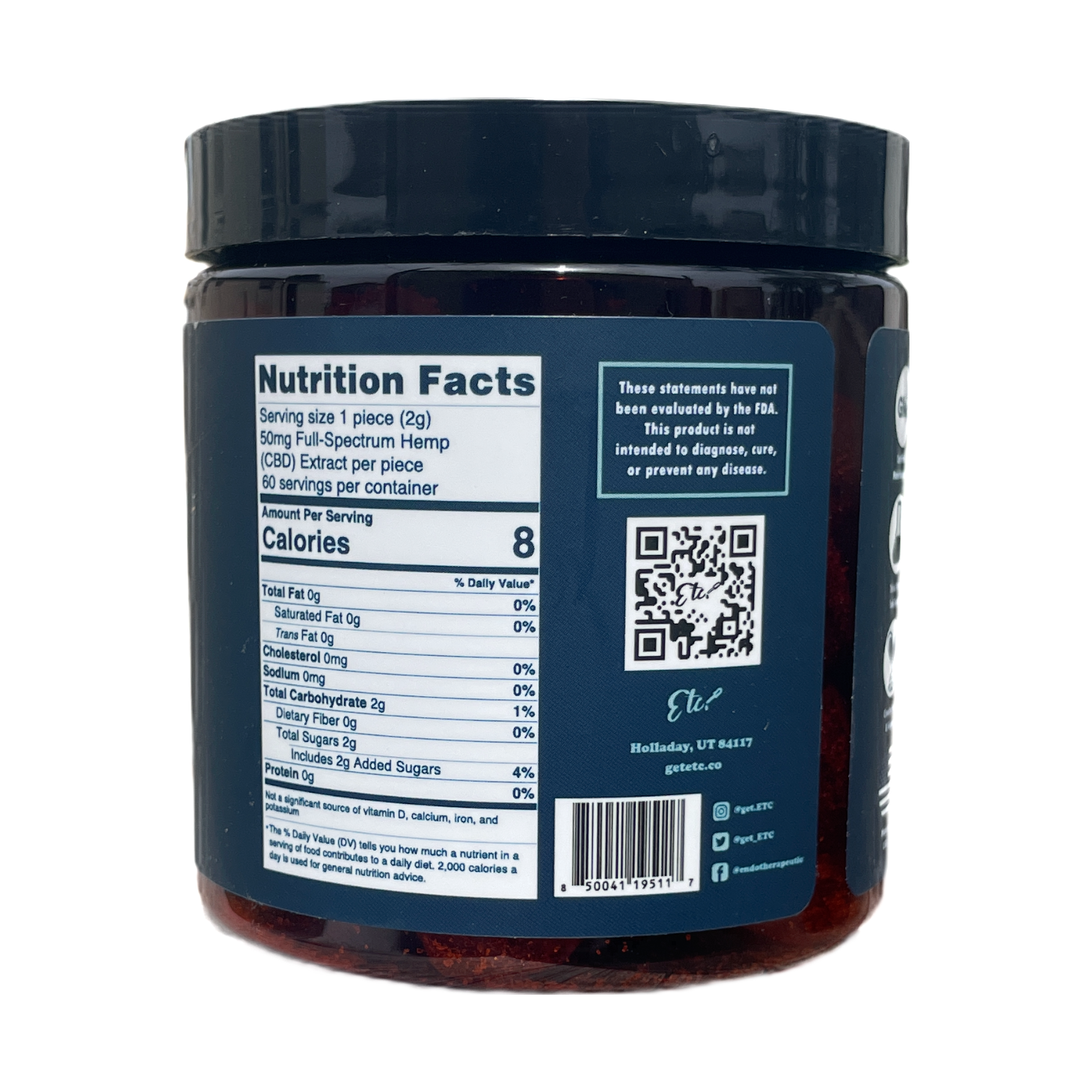
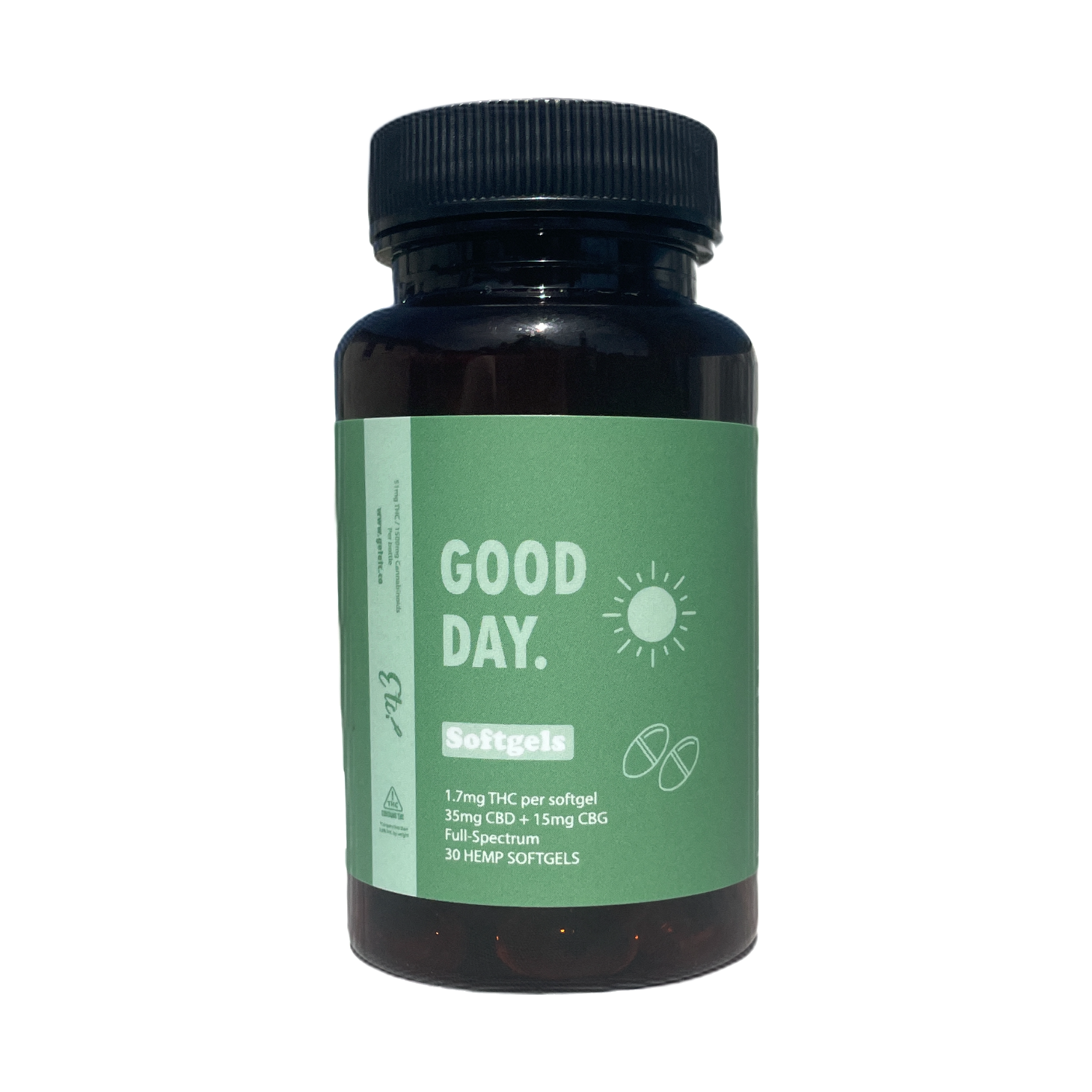
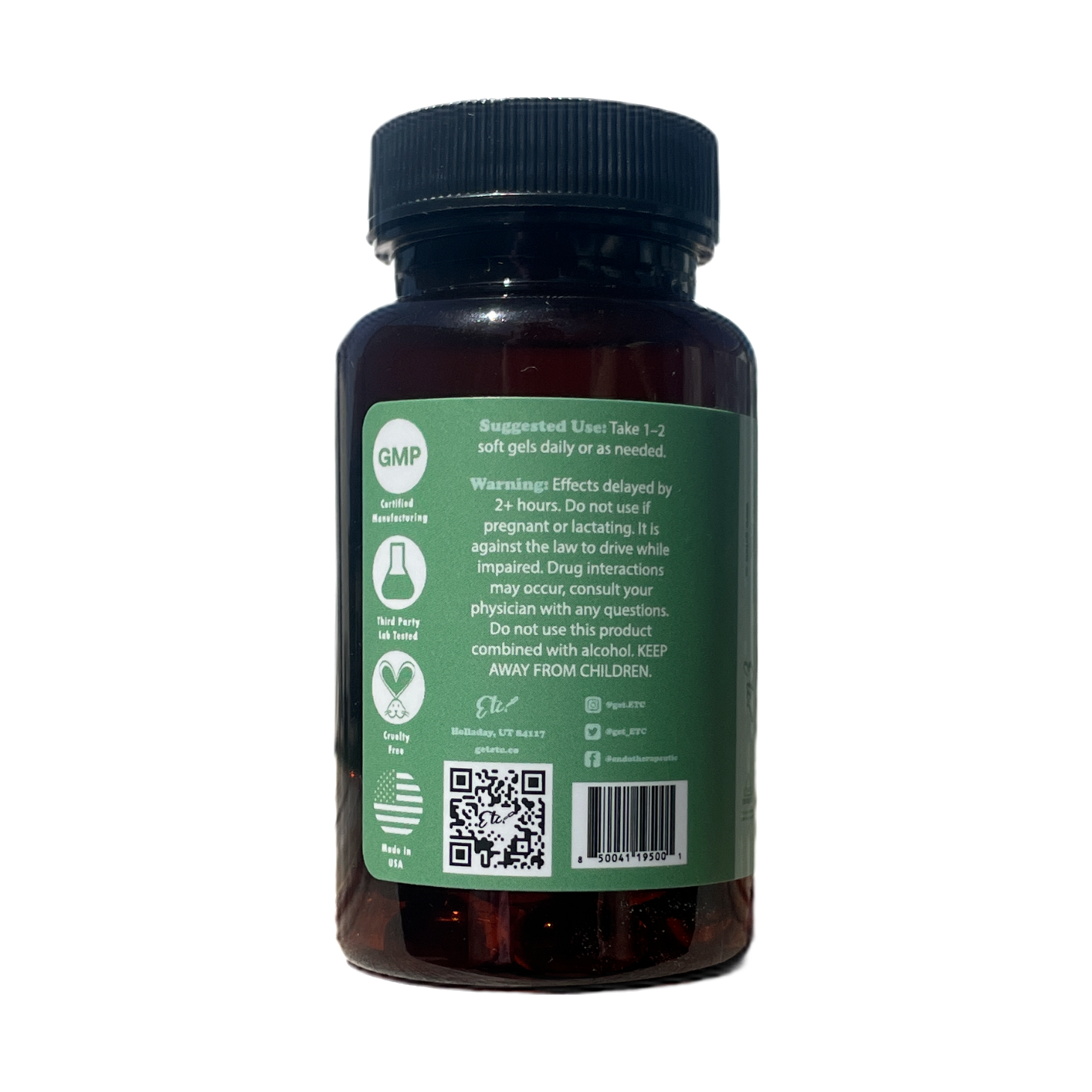
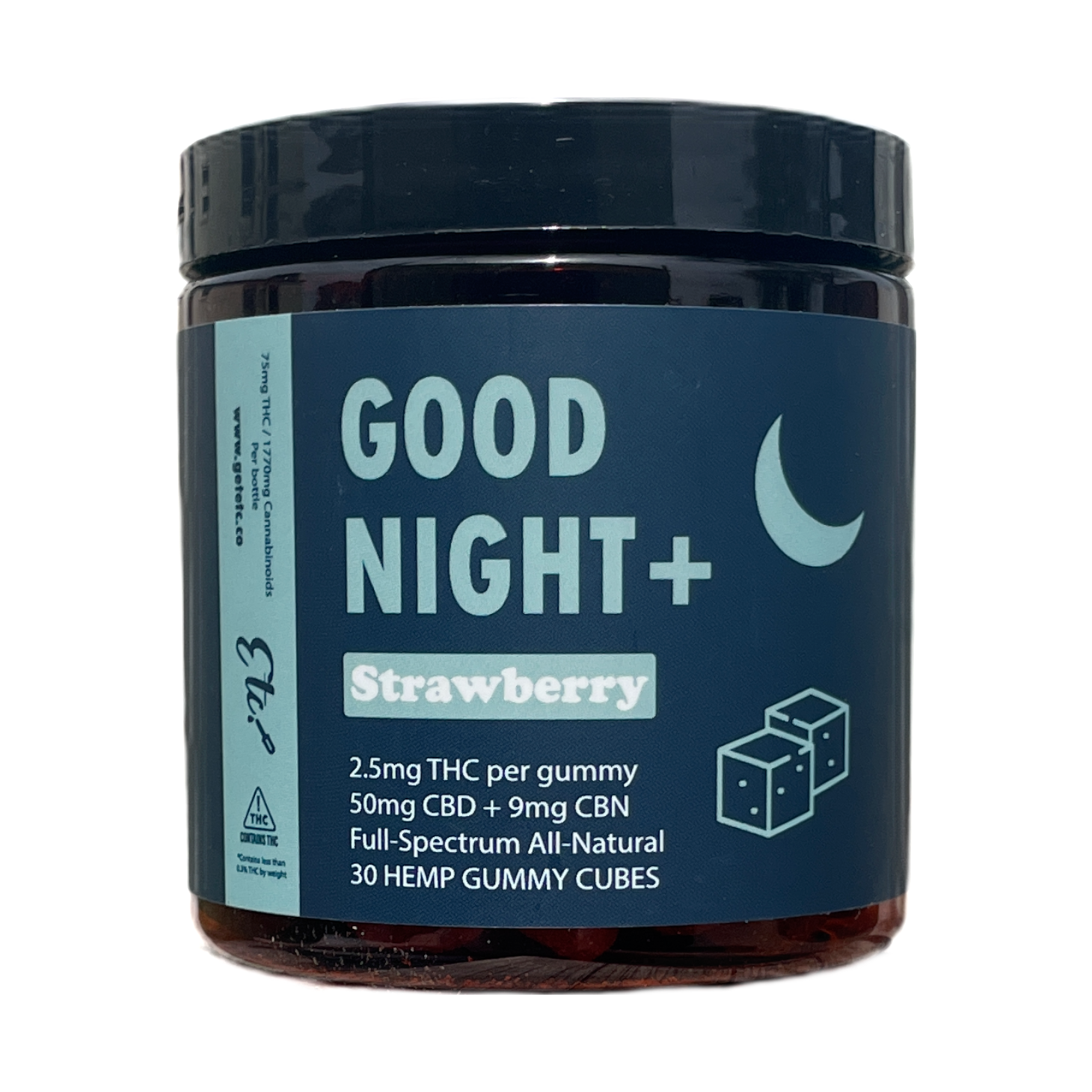
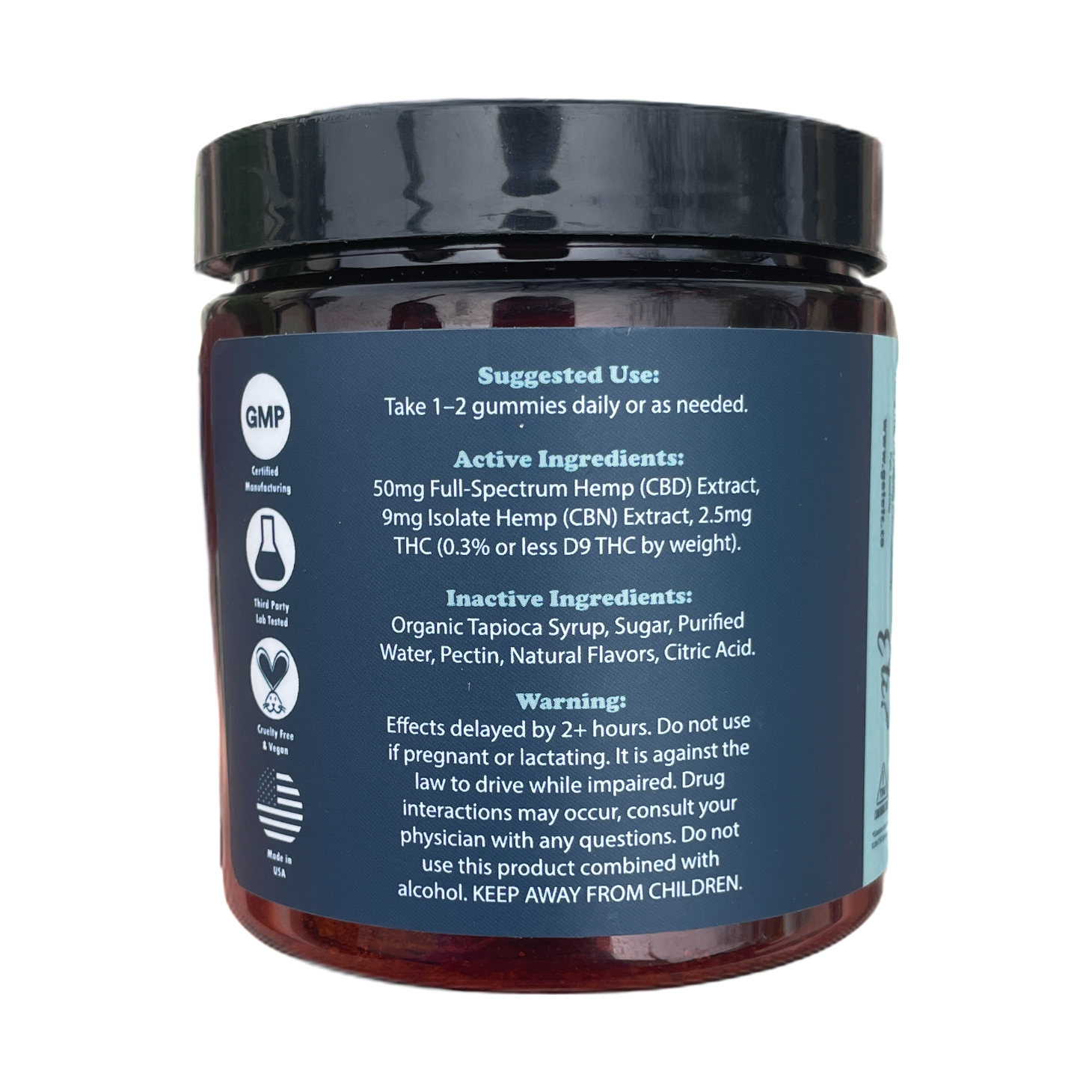
ETC’s Good Day line works from a full-spectrum base with an added boost of CBG, a cannabinoid associated with focus and daytime clarity. Good Night runs the same full-spectrum foundation with elevated CBN, which tends toward the calmer, more settled end of the spectrum. The base is the same in both. The ratio shifts.
What you get in either case is the entourage effect working beneath the tuned profile, not replaced by it. You’re not just getting more of one thing; you’re getting a system calibrated for the time of day.
If you’re curious where to start, the Good Day line is a reasonable entry point for understanding what a full-spectrum daytime profile actually feels like in practice.
What Consistency Actually Teaches You
Nobody notices the entourage effect in a single dose. The first time you try a full-spectrum product, you’re establishing a baseline. What tends to happen with consistent use, day after week, is that the cumulative effect becomes legible. People describe it differently: a sense of equilibrium, a background calm that wasn’t there before, moments of noticing what’s absent rather than what’s present.
That’s the inner peace pathway nobody talks about in marketing copy. It’s not a dramatic shift. It’s more like finding a setting you didn’t know your nervous system had. And once you find it, you want to keep it.
The people who get the most out of full-spectrum hemp are the ones who gave it a fair window and paid attention. Not obsessively. Just enough to notice. That kind of patient, consistent engagement is itself an act of self-investment, the kind that tends to compound.
The Rational Choice, Revisited
Isolation is elegant. It’s also incomplete. If the goal is to get the most from a hemp product, arguing for an isolate is a bit like arguing for a highlight reel over the full game. You’ll catch the big moments. You’ll miss what made them possible.
Full-spectrum keeps the whole story intact. The relationships between compounds, the modulating effects, the range of support the plant can offer. The label will look more complicated. That’s not a problem.
That’s the point.
Disclaimer: These statements have not been evaluated by the Food and Drug Administration. This product is not intended to diagnose, treat, cure, or prevent any disease. Consult your healthcare provider before starting any new wellness regimen.
Photo by British Library on Unsplash