




A Softer Way to End a Long Day
Is there a better way to end a hard day than whatever you’re currently doing?
Not a judgment. Just a real question worth sitting with.
Because for a lot of us, “winding down” actually looks like scrolling until our eyes blur, eating something we didn’t need, or just collapsing into bed still wired and hoping unconsciousness will sort it out. We know that’s not working. We just haven’t found the replacement yet.
That’s not a willpower problem. It’s a habit gap. And the good news is that filling a habit gap doesn’t require heroic effort. It just requires a small, repeatable thing that actually does something.
Why the Last Hour Matters So Much
The way you close a day shapes how you open the next one. This isn’t some wellness platitude. It’s just physics. A mind still running hot at 10pm tends to stay hot at midnight, then drag at 7am, then run on fumes by 3pm. The cycle feeds itself.
What breaks the cycle isn’t dramatic. It’s usually something quiet. A consistent cue that tells your body: okay, we’re shifting now. Not performing, not producing, not solving anything. Shifting.
Some people find that cue in a warm shower, a book they actually want to read, or five minutes of stillness before the house goes fully dark. The most effective evening rituals tend to be boring-sounding on paper and genuinely good in practice.
Adding a small, intentional supplement can be part of that cue. Not because it’s magic, but because the act of taking it is itself a signal. You’re telling yourself this hour belongs to you.
The Habit You Can Actually Keep
Here’s what gets missed in most conversations about wellness: consistency is the ingredient. Not the perfect product, not the highest dose, not the most elaborate bedtime protocol.
In our own 8-week observational study, participants reported that sleep was the first thing to shift. Before mood, before energy, before anything else. And improvement came week over week, not in a single overnight jump. That’s what consistency looks like. Steady and cumulative, not dramatic.
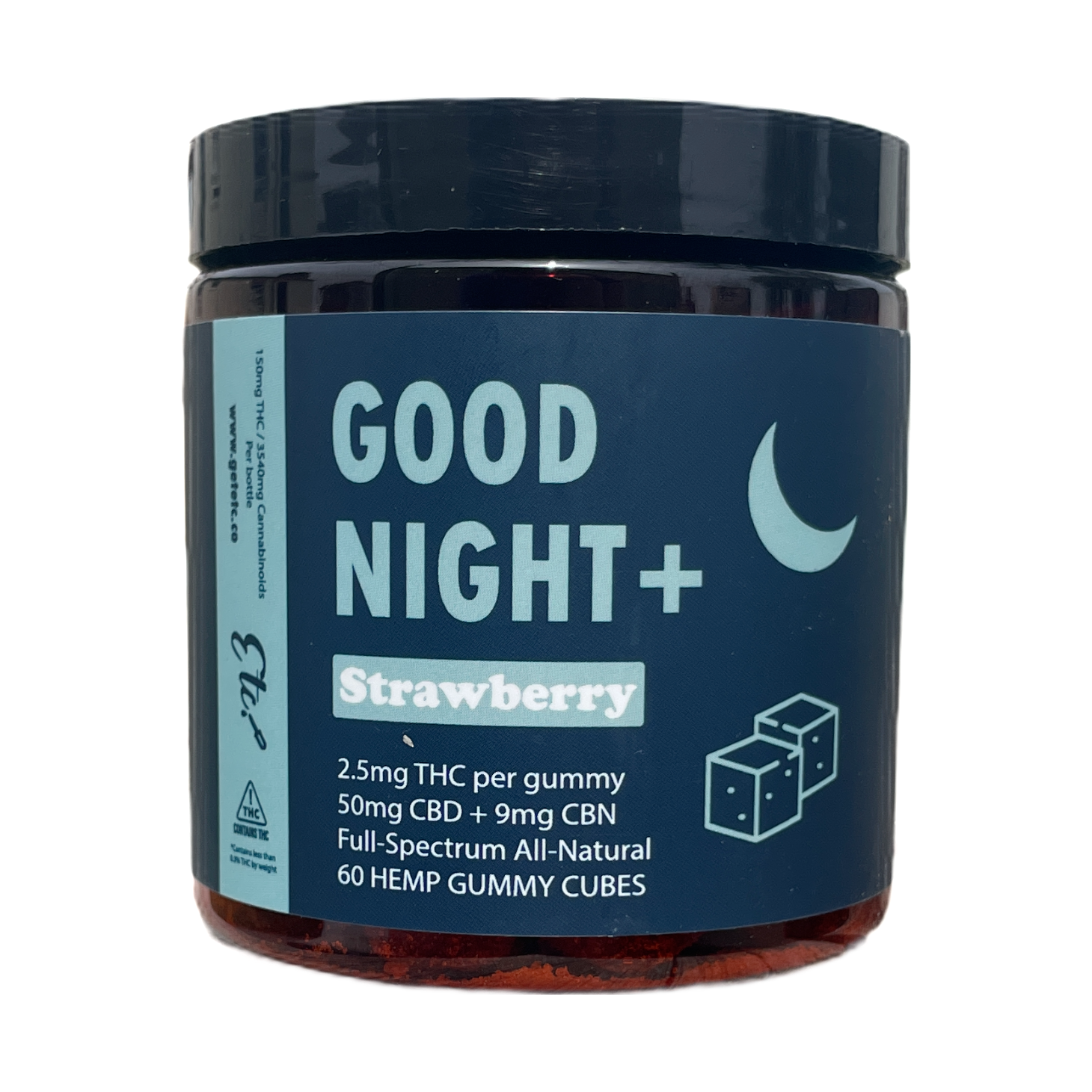
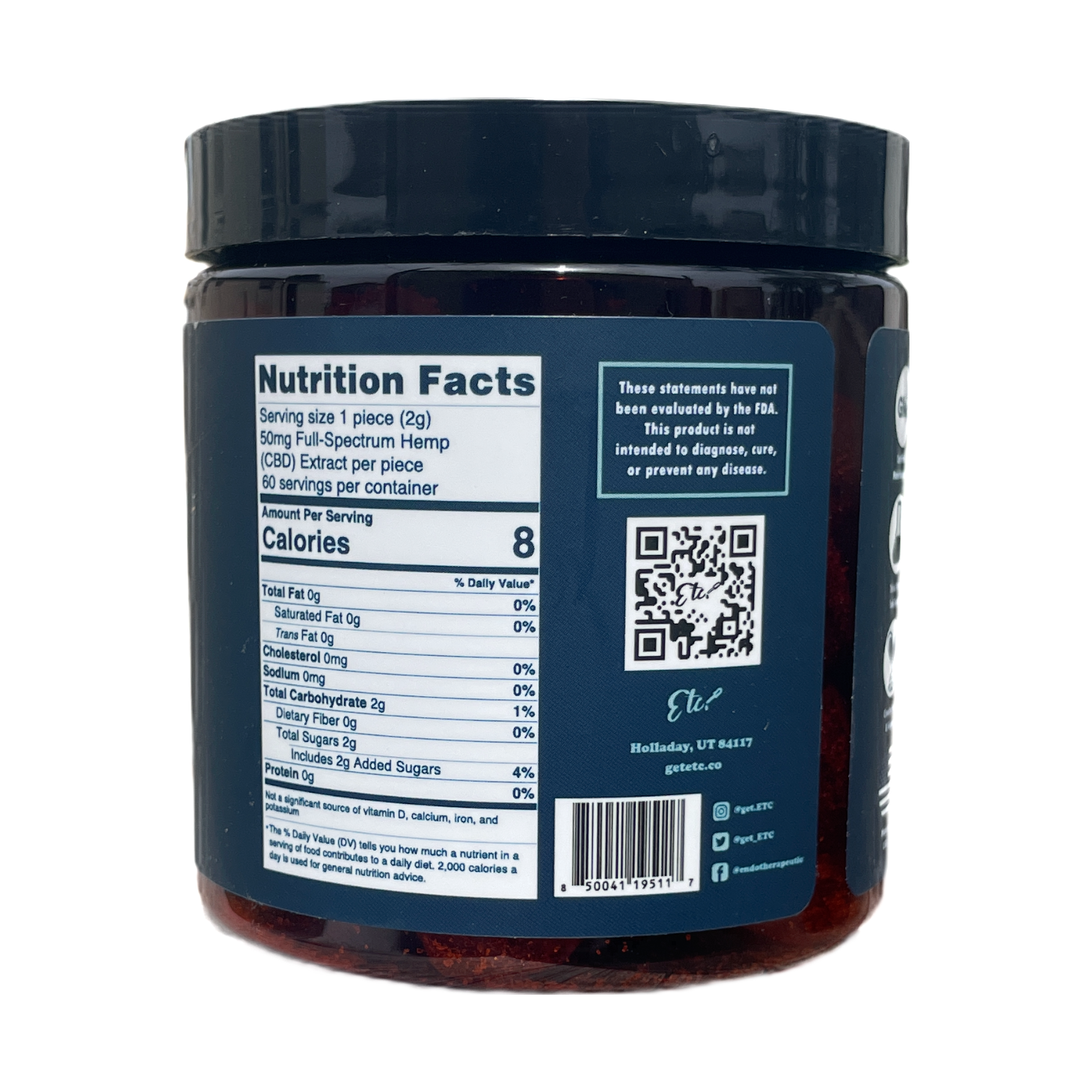
The reason that matters for your budget is this: a routine you can actually keep is worth more than an expensive one you abandon in three weeks. Good Night softgels and gummies are priced so that a nightly habit doesn’t require a second thought. At a few dollars per dose, it sits in the same category as your morning coffee, minus the second-guessing.
That’s a worthwhile reframe. You’re not buying a product. You’re buying a slot in your evening that belongs to you.
What Good Night Actually Does
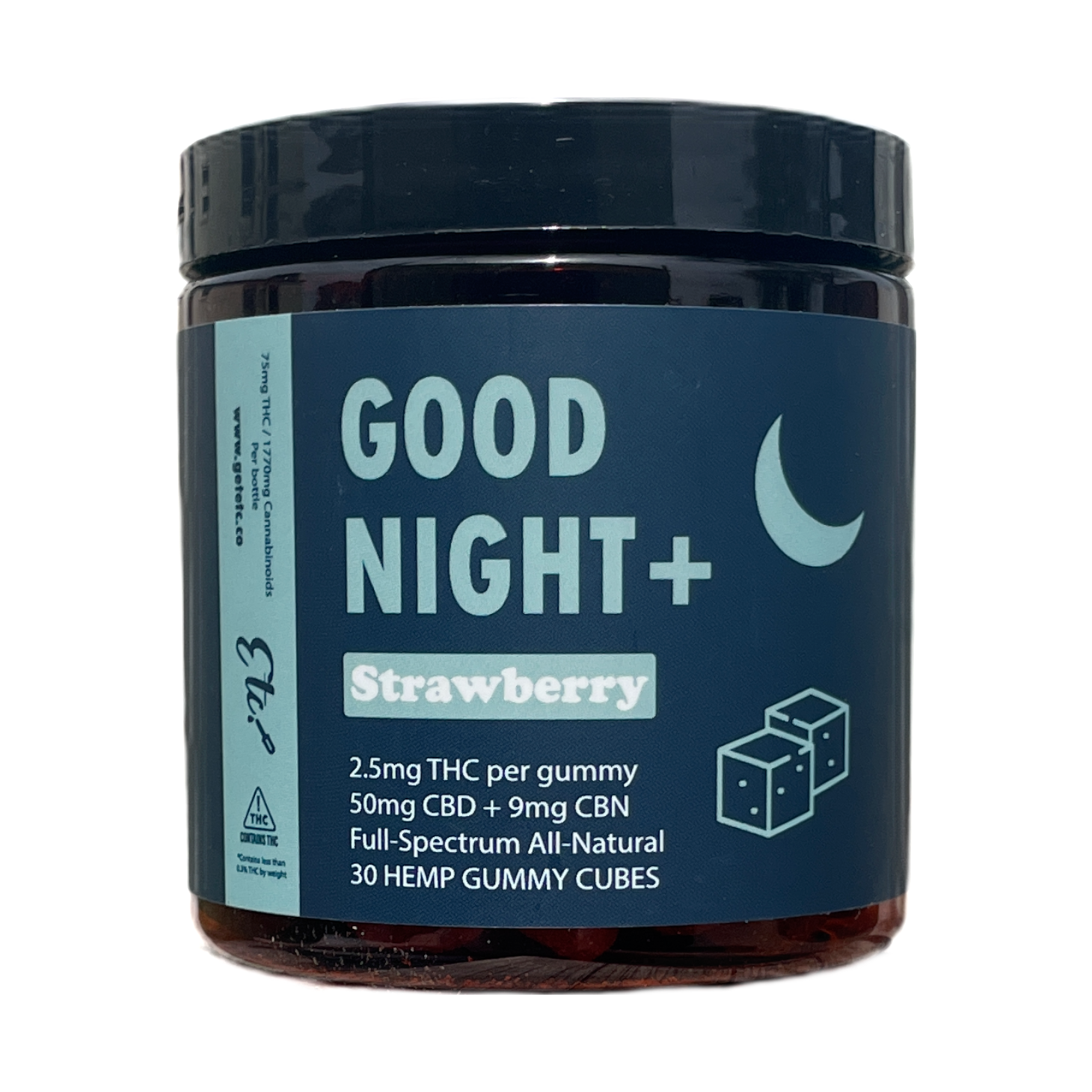
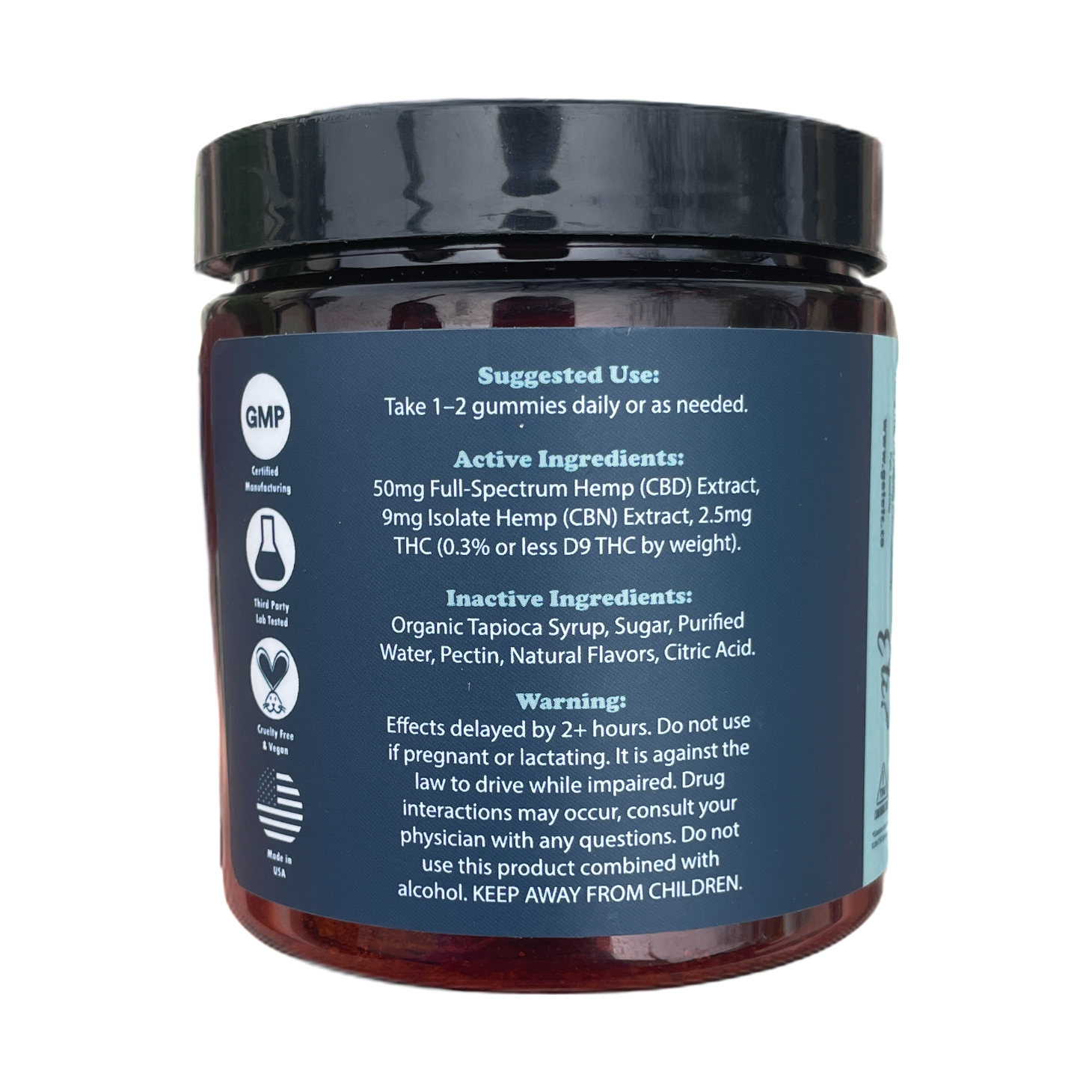
Good Night starts with a full-spectrum hemp base and adds a boost of CBN, a cannabinoid associated with drowsiness and evening calm. The whole plant works together, which matters. Full-spectrum formulas give your body more to work with than isolates do, because cannabinoids have a way of supporting each other when they’re kept together.
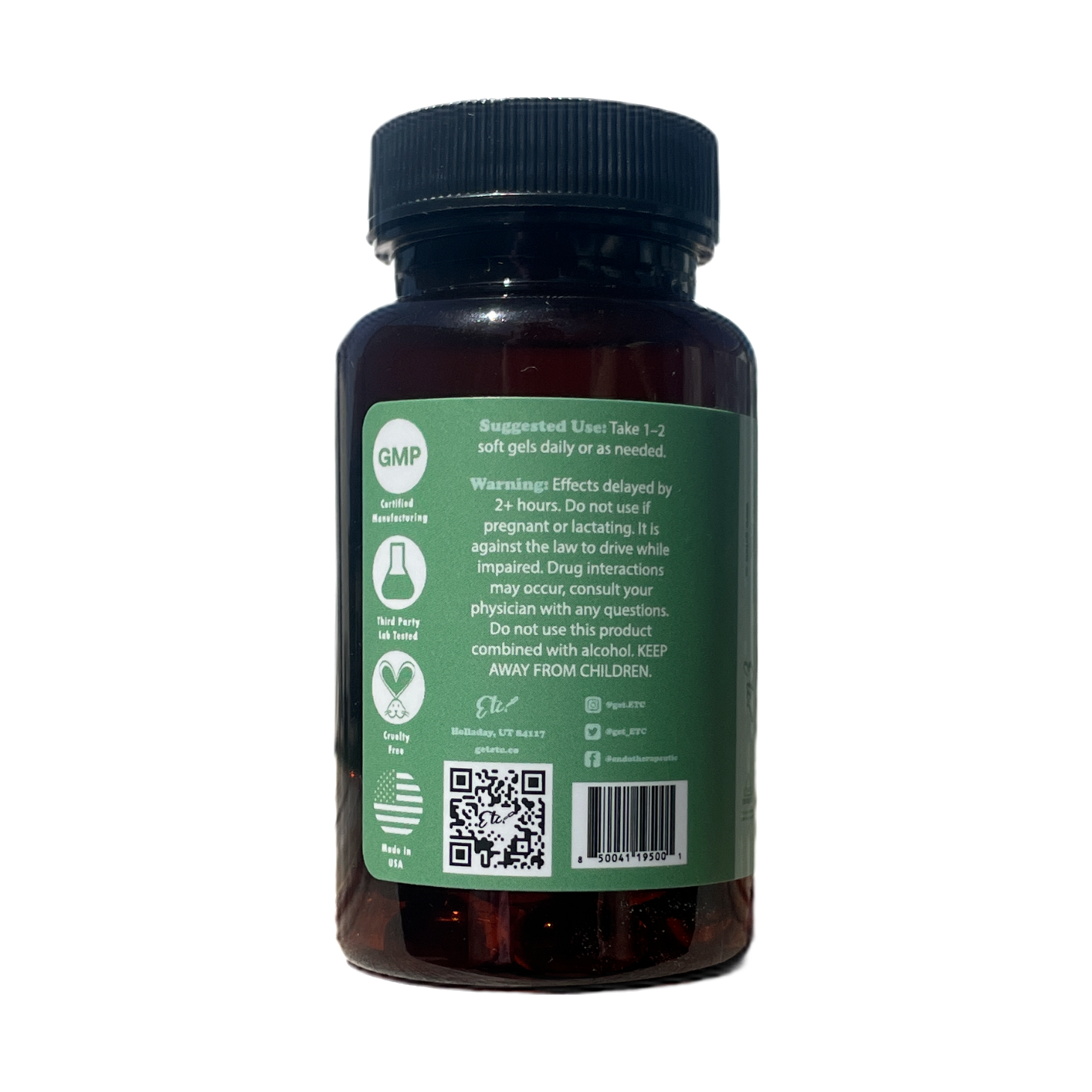
Effects typically begin within 30 to 90 minutes and can take up to two hours to fully arrive. That timing is actually useful to know before you build your ritual. If you want to feel settled by 10pm, taking it around 8:30 or 9 gives it room to do what it does. No rushing, no watching the clock. You’ve planned for it.
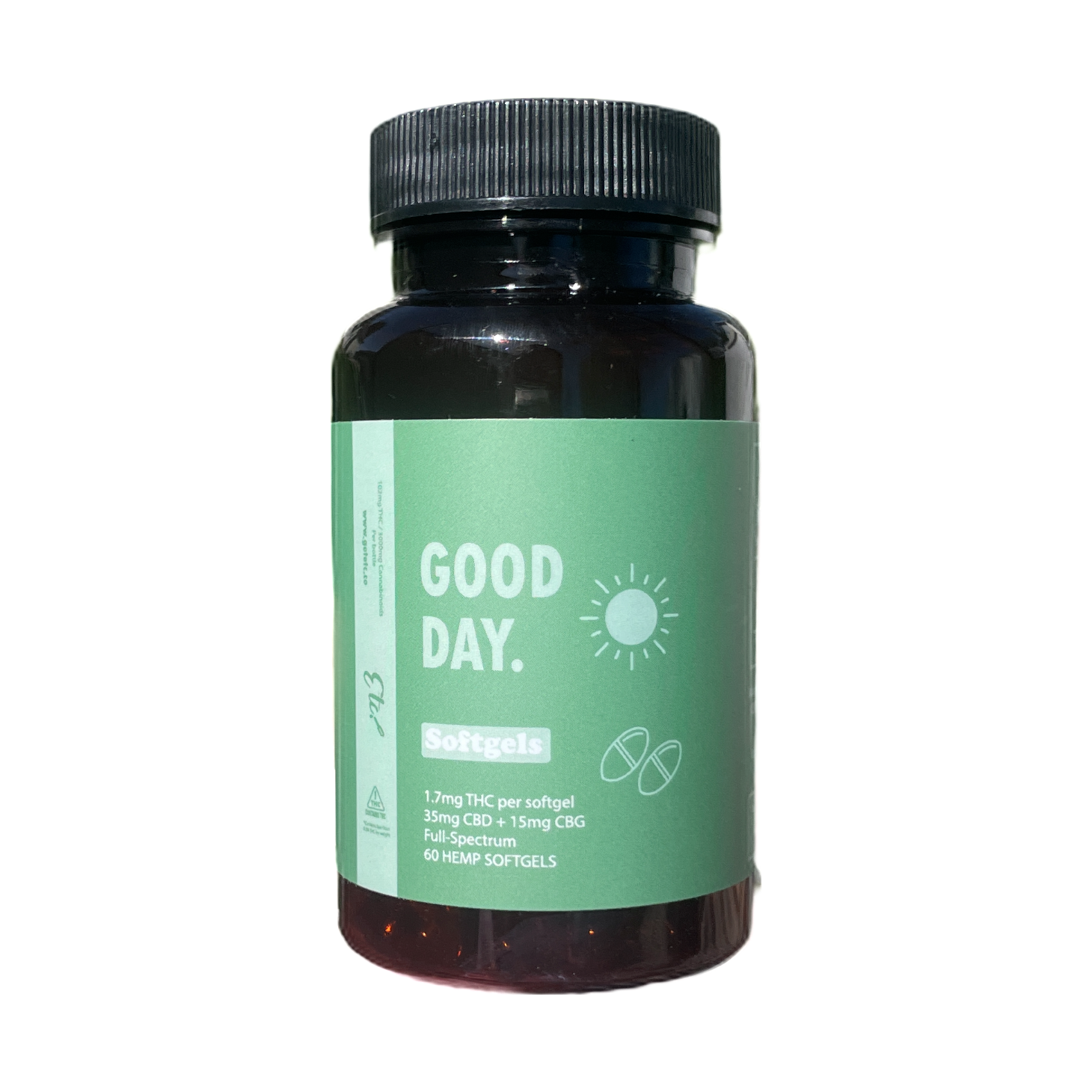
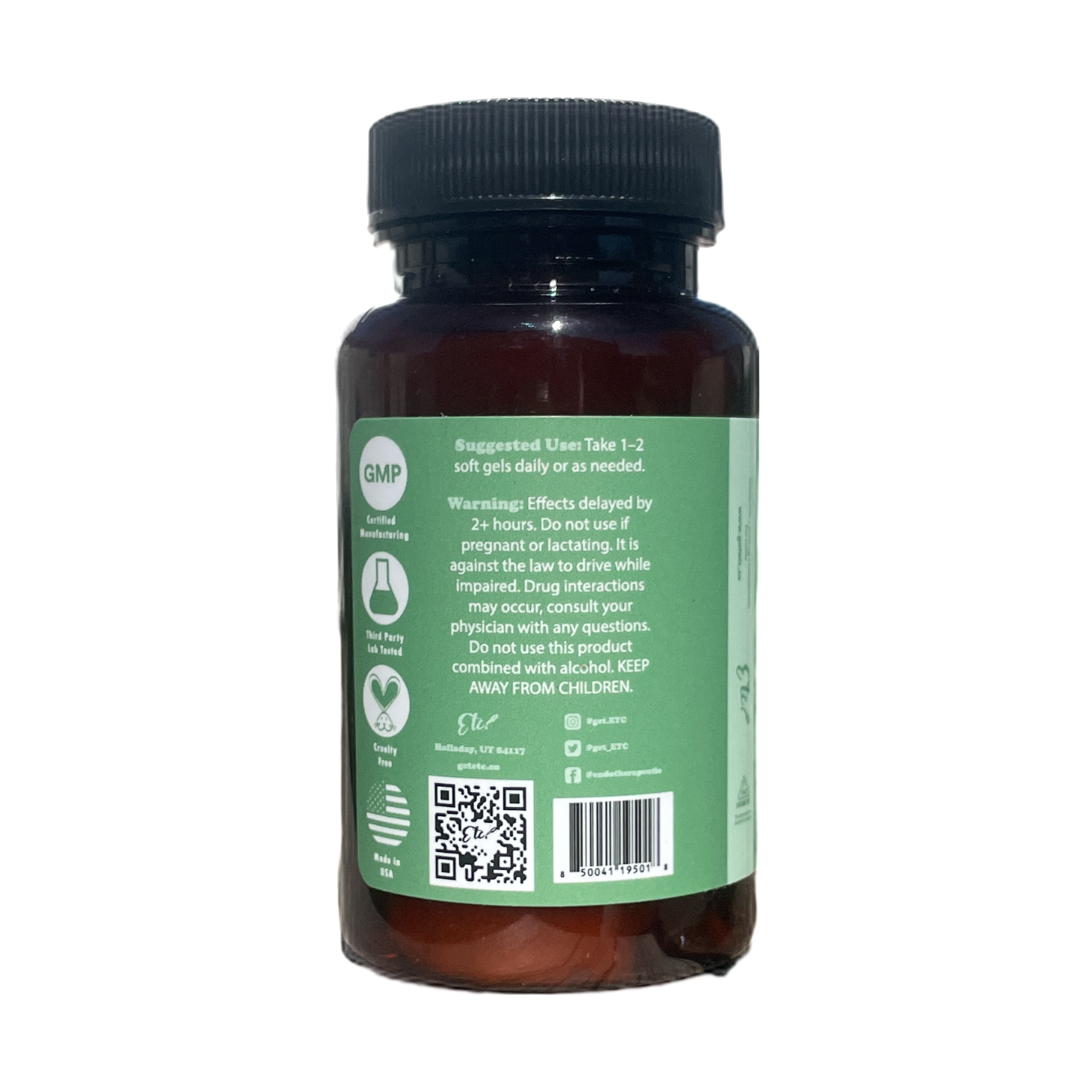
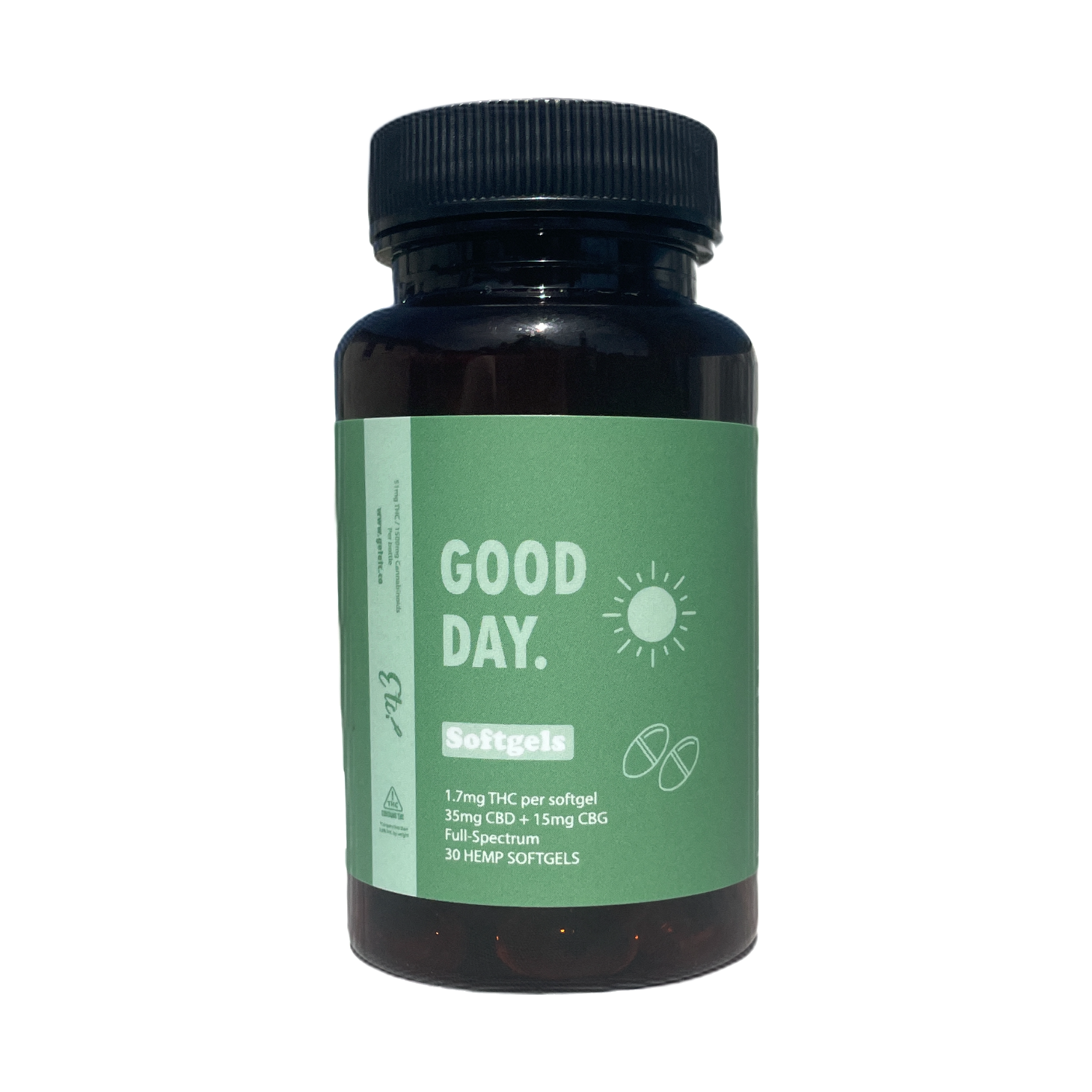
The softgel format is worth mentioning here. If you’d rather not think about flavor or texture at night, softgels are the answer. Light, easy, and discreet enough to live on a nightstand without feeling like a whole production.
Building the Ritual Around It
The supplement is a piece, not the whole picture. The ritual is what you build around it.
Here’s a simple version that tends to stick:
- Decide what time you want lights out, and count back 60 to 90 minutes. That’s when the wind-down begins.
- Take your Good Night at the start of that window.
- Do something genuinely low-demand during that window: a short walk, something light to read, a conversation that doesn’t involve a screen.
- When you get into bed, you’re already most of the way there.
What you’re building is a transition zone. Not a strict protocol with rules and failure modes. Just a space between the day you had and the sleep you need.
This is where the value of a consistent habit shows up in ways that are hard to quantify. You start looking forward to it. The ritual becomes something you protect rather than something you forget. And over time, the evenings that used to feel like they just happened to you start feeling like something you chose.
Small Commitment, Real Return
Making a sustainable commitment to your own wellbeing doesn’t require overhauling your life. It often starts with one small thing you do at the same time every day, that actually works, that you can afford to keep doing.
That’s what a good evening ritual is. Not a luxury. Not a production. Just a quiet decision that this part of the day is yours.
If you’re curious about what’s in the formula or want to see lab results before you start, the published COAs are there whenever you’re ready. Physician-reviewed, third-party tested. Worth a look if that kind of transparency matters to you (it probably should).
But the bigger question is simpler: what does the last hour of your day feel like right now, and is that actually what you want?
If the answer is no, that’s a pretty good place to start.
Disclaimer: These statements have not been evaluated by the Food and Drug Administration. This product is not intended to diagnose, treat, cure, or prevent any disease. Consult your healthcare provider before starting any new wellness regimen.
Photo by Joseph Spencer on Unsplash