




What Happens When You Stop Performing
There’s a version of you that shows up to things on guard.
Not defensive, exactly. Just… managed. You’ve done the math before you’ve even walked in the door. You know which opinions to keep to yourself, how much enthusiasm is appropriate, where the exits are if the conversation goes sideways. You’re present, technically. But you’ve done the kind of prep work that athletes do before a game, except this is just dinner with your coworkers. Or a first date. Or a Tuesday.
Most of us don’t call this performing. We call it being prepared. Professional. Appropriate. And some of it genuinely is. Social calibration isn’t a character flaw. But there’s a version of it that quietly costs you something, and you feel it afterward in a specific way: tired, a little hollow, vaguely glad it’s over.
The question isn’t whether you ever put on a face. The question is whether you know who’s underneath it.
The Performance Nobody Asked For
Here’s what actually happens when you’re running managed mode all the time: you’re spending cognitive and emotional resources on something other than the moment in front of you. The conversation that’s actually happening. The person who’s actually there.
Presence isn’t a personality type. It’s a resource. And when it gets crowded out by self-monitoring, the people you care about can feel it, even if they can’t name it. You were there, but not quite. You responded, but with a slight delay. You laughed at the right moments. But something wasn’t connected.
This is the part nobody talks about when they talk about confidence. Real confidence isn’t volume or bravado. It’s the ability to just… be somewhere without running a background process. To ask the slightly weird question. To let the joke land or not. To be interested in something without calculating whether that interest is strategically useful.
You don’t build that by trying harder to perform better. You build it by becoming less willing to perform in the first place.
What “Showing Up Whole” Actually Looks Like
It doesn’t look like being unfiltered or saying whatever you think at all times. That’s not authenticity, that’s just bad manners dressed up as a personality.
Showing up whole looks more like: you disagree with something and you say so, calmly, without a week of second-guessing. You admit you don’t know something. You’re genuinely curious about the person across from you instead of waiting for your turn to seem interesting. You make a decision and you don’t immediately audit it.
It looks like being comfortable enough in your own skin that other people’s comfort becomes your actual priority, not a performance of it.
That shift, from managing yourself to actually being present, tends to happen when you’ve got a foundation under you. Not confidence in the self-help sense, the kind you manufacture through affirmations or power poses. More like the kind that comes from having your own baseline sorted out. When sleep is consistent. When your body isn’t constantly making demands on your attention. When your nervous system isn’t running a 72-hour filibuster.
The Transparency Angle (and Why It Actually Matters Here)
There’s a reason trust keeps coming up when people talk about what makes a product part of their actual routine, not just something they tried once. When you’re adding something to your daily life, especially something that’s going to be part of how you feel and function, you need to know exactly what’s in it.
This is where ETC’s published COA library earns its keep. Every batch, third-party lab verified, available publicly. That’s not a headline, it’s a foundation. The kind of thing that means you can just use what you’re using and not carry a question mark around about it.
What that unlocks isn’t complicated. When you trust the ground you’re standing on, you stop managing that variable. You stop auditing it. And your attention goes somewhere more useful.
That’s what consistency in a wellness routine actually does, not some dramatic transformation, but a gradual reclaiming of bandwidth. Participants in ETC’s own 8-week study reported a 30% average improvement in overall wellbeing by week eight. Mood showed the largest total gain, from a 3.7 average to a 4.6. Sleep improvement came first, which tracks, because almost everything downstream of how we show up gets easier when that part is working.
Mood, energy, the capacity to be patient with someone when you’re tired, these things aren’t unrelated to the body. And a routine that supports them isn’t a luxury. It’s infrastructure.
What Gets Easier
When you’re not running on empty, specific things change in how you move through a day.
You have more patience. Not the performed kind where you’re clenching your jaw and smiling, but the real kind, where you actually have reserves left when something goes sideways at 4pm.
You’re more interested. Curiosity is expensive when you’re depleted. It requires something in the tank. A good conversation takes energy. Being genuinely happy for someone takes energy. Noticing something small and beautiful about an ordinary Tuesday takes energy.
You’re less reactive. Not flat or checked out. Just less hair-trigger. The things that used to hijack an hour don’t necessarily get that hour anymore.
And in social situations, specifically, you start to notice the managed-ness loosening. You stop pre-planning your exit. You stop doing real-time scoring of how the interaction is going. You’re just… in it. Which, it turns out, is what the people around you wanted from you all along.
The Compounding Part
Showing up whole isn’t a one-time decision. It’s what happens when the routine underneath you is solid enough that you stop thinking about it.
That’s the real payoff of a consistent wellness practice: not the product itself, but what you have access to when it’s working. More of yourself. More for the people around you. More capacity to be in the room you’re actually in.
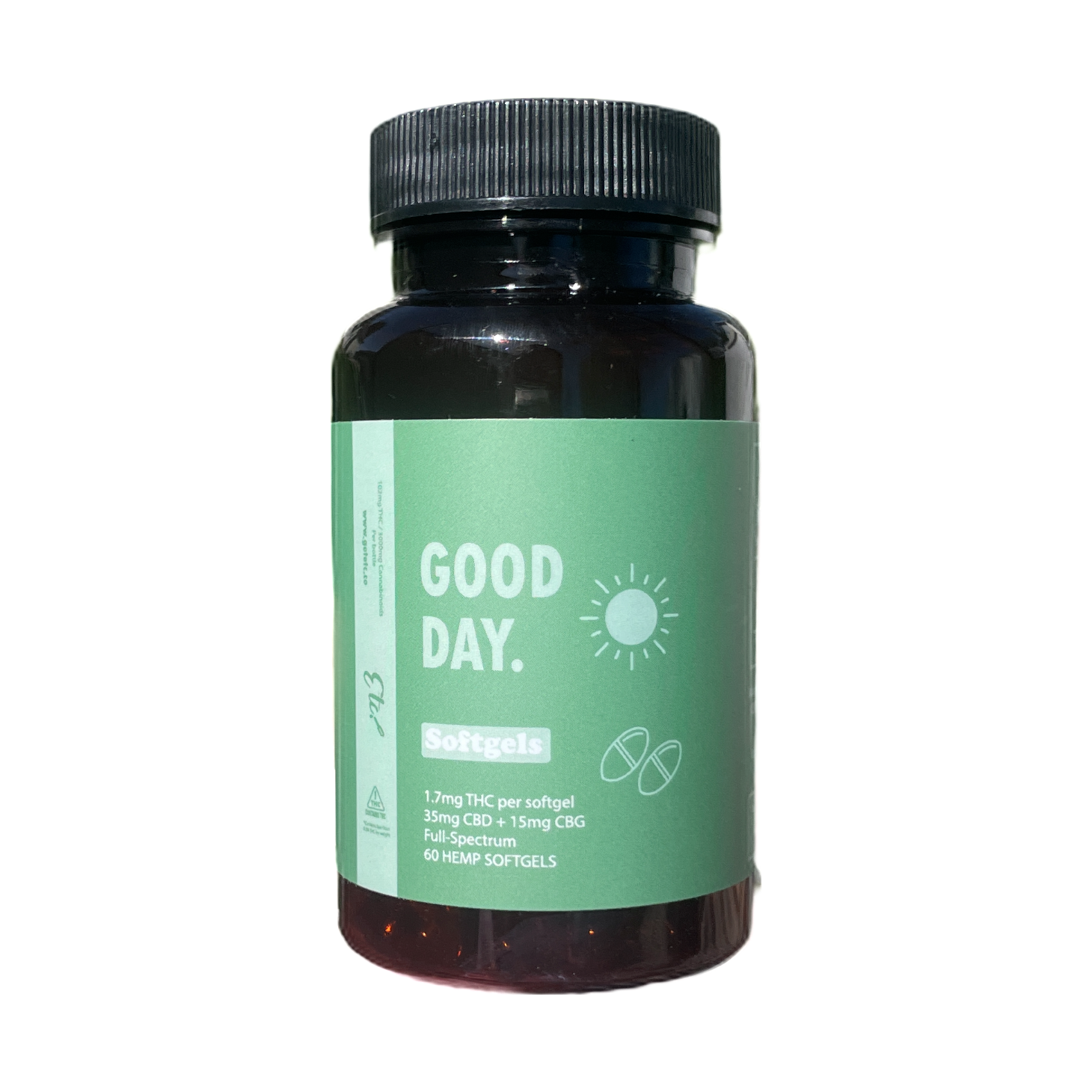
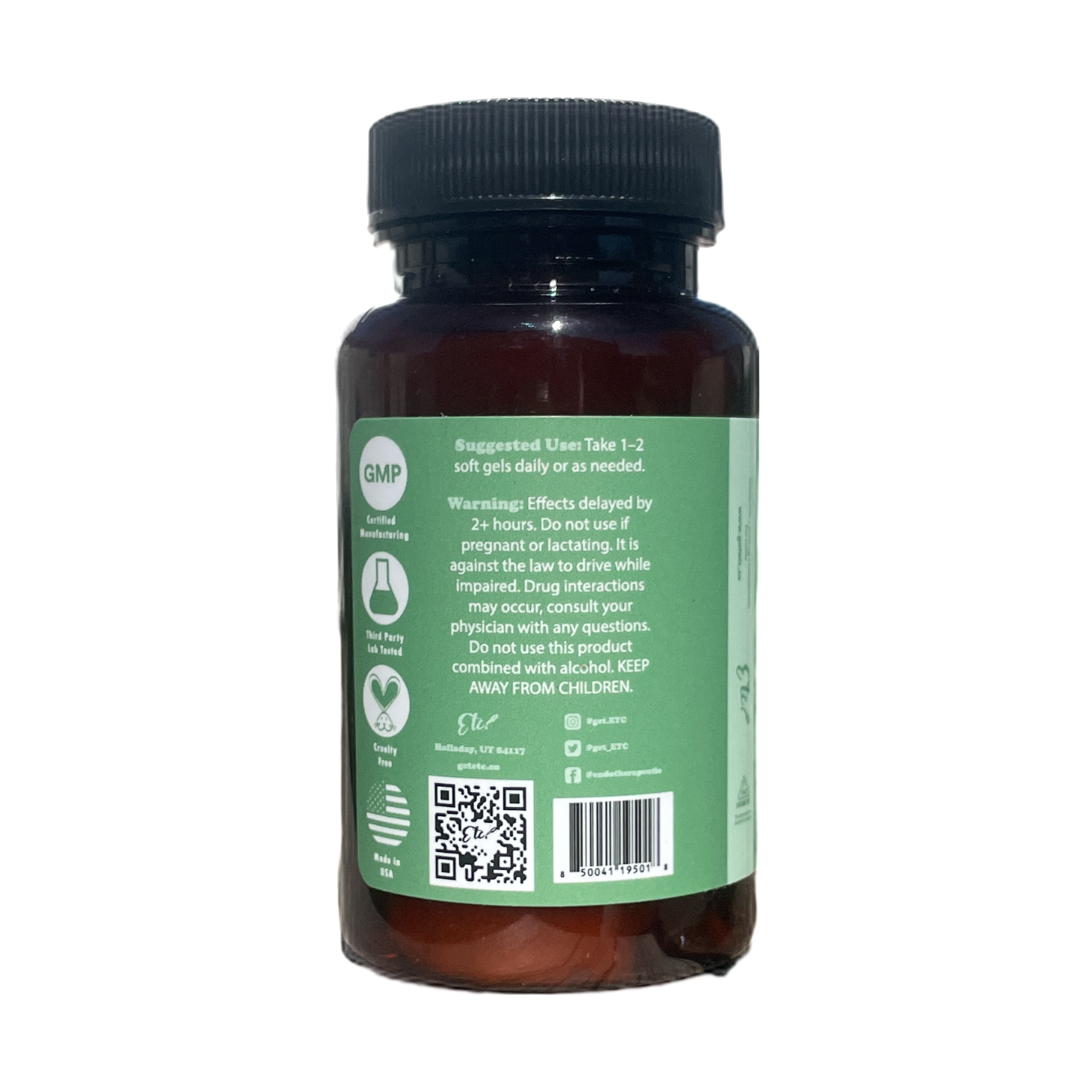
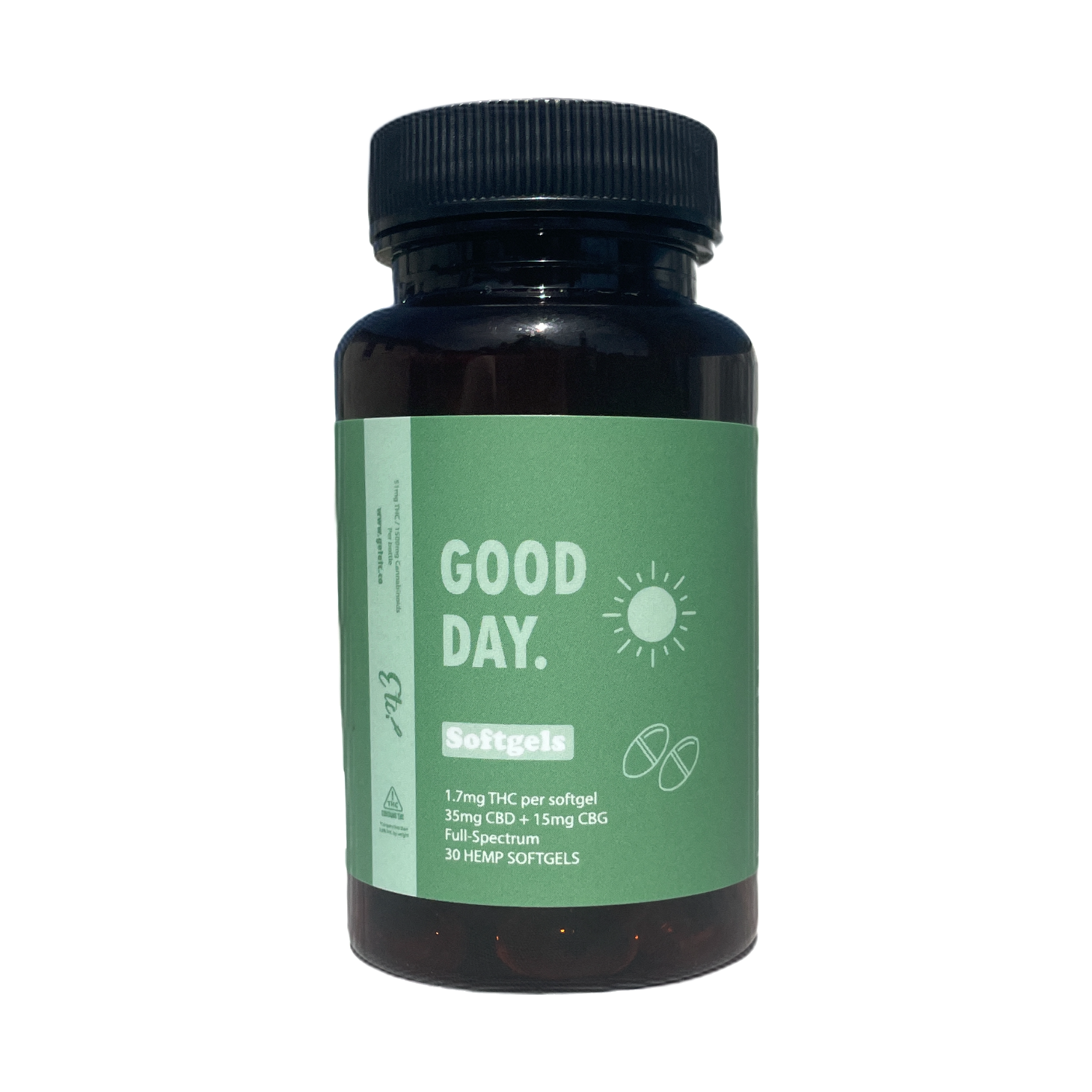
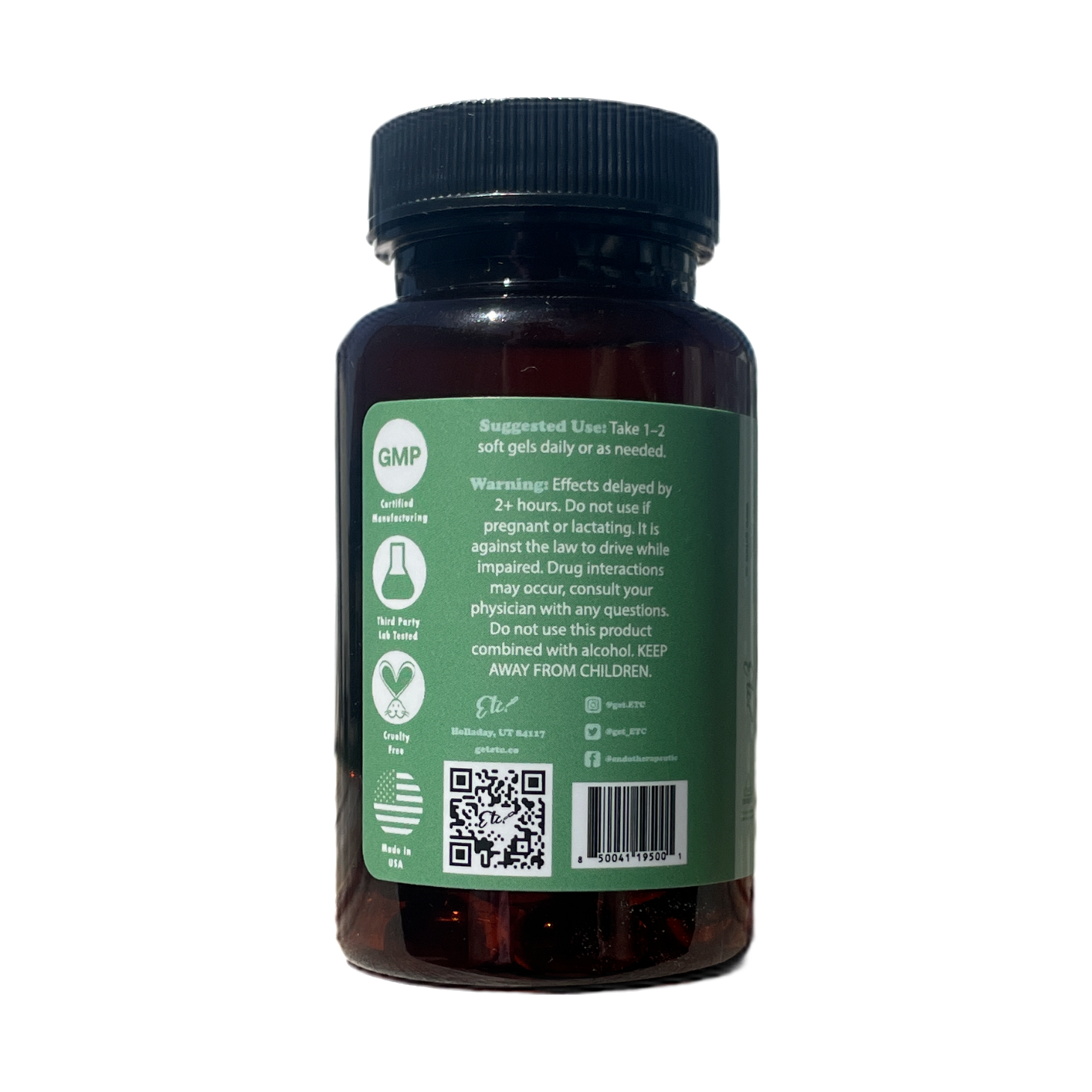
If you’re curious about what that kind of daily foundation looks like, the Good Day line is where a lot of people start, full-spectrum hemp with a CBG boost designed for daytime balance. Something to look at when the morning routine needs a little more structure.
But the actual goal isn’t a product. It’s the version of you that doesn’t need to rehearse.
Disclaimer: These statements have not been evaluated by the Food and Drug Administration. This product is not intended to diagnose, treat, cure, or prevent any disease. Consult your healthcare provider before starting any new wellness regimen.
Photo by Pawel Czerwinski on Unsplash