



Finding pleasure in the things you already do
Most of us aren’t missing pleasure because our lives lack good things. We’re missing it because we keep moving past good things before they have a chance to land.
That cup of coffee this morning. The five minutes between dropping the kids off and starting work. The moment on the couch after dinner when nobody needs anything. These aren’t small, peripheral moments. They’re actually the texture of your life. But somewhere between the notification that buzzed and the mental list you were already running, you passed right through them.
This isn’t a productivity problem. And it’s definitely not a character flaw. It’s what happens when your baseline restlessness is set just a little too high. When “settling in” feels like something you have to earn rather than something you’re allowed to do.
The gap between being somewhere and actually arriving
There’s a difference between technically doing something enjoyable and actually enjoying it. You know the gap. You’ve been in the middle of a good meal, or a conversation you’ve been looking forward to, or a quiet moment that should feel restorative, and some part of your brain was somewhere else entirely. Planning the next thing. Reviewing the last thing. Composing a response to a message you haven’t sent yet.
It’s not that you’re ungrateful. It’s that arriving, really arriving, requires a kind of internal permission most of us don’t consciously give ourselves.
The people who seem to get the most out of ordinary moments aren’t doing more. They’re not optimizing their joy with a five-step ritual. They’ve just gotten out of their own way a little more consistently.
That’s the quiet work. Not finding better things to do. Getting more out of the things you’re already doing.
What changes when your baseline shifts
A lot of wellness conversation is about adding things. New supplements, new routines, new habits layered on top of the ones you’re already struggling to maintain. That gets exhausting. And it approaches the problem backwards.
The more useful question is: what’s making it hard to be where you are?
For a lot of people, the honest answer involves some version of physical tension they’ve stopped noticing, a mental background hum they’ve normalized, or an edge of fatigue that never quite goes away. None of these are dramatic. They’re just the ambient surroundings of modern life turned up a bit too high. And over time, they reshape what “fine” looks like. They narrow your capacity to absorb the good stuff.
When that baseline shifts even modestly, what follows isn’t usually some dramatic transformation. It’s more that you start catching things you were walking past. The joke lands. The sunset registers. You’re actually in the conversation instead of performing it from two steps outside yourself.
Our own 8-week study found that mood saw the largest total gain of any dimension measured, climbing from a 3.7 average to a 4.6 over the course of the study. That kind of shift doesn’t come from adding more to your day. It comes from being more available to the day you already have.
Pleasure is a relationship, not an event
Here’s the reframe that actually changes something: pleasure isn’t a reward at the end of effort. It’s a relationship you’re either in or you’re not.
You can have the vacation planned and still be somewhere else for most of it. You can have the Saturday morning you wanted and burn through it half-present. And conversely, you can find yourself genuinely absorbed in something completely ordinary, like a walk you’ve taken a hundred times, a meal you threw together fast, a conversation that had no agenda, and realize that was the thing. That was what you were after.
The common thread in those absorbed moments isn’t the quality of the event. It’s the quality of your presence in it.
Building a wellness routine that you actually trust changes this more than people expect. Not because a supplement replaces the work of being present, but because less of your background processing is taken up managing discomfort, chasing sleep, or waiting for a second wind that doesn’t come. You free up capacity. What you do with that capacity is still entirely yours.
Trust as a prerequisite for presence
There’s something worth naming here. Most people who are skeptical of hemp wellness products aren’t skeptical because they don’t want relief. They’re skeptical because they’ve been sold things that didn’t work, or didn’t know what was actually in them, or couldn’t verify the claims.
That skepticism is reasonable. It’s also the exact thing that keeps you from ever letting your guard down enough to notice whether something is working.
When a product earns your trust, something changes. You’re not white-knuckling through a daily decision or second-guessing the label. You’re just taking a thing you trust, as part of a routine that’s yours, because it helps you show up better. That simplicity matters. It frees up mental bandwidth you didn’t know you were spending.
ETC publishes third-party lab results for every batch at reliefetc.com/pages/coa, not as a feature to promote, but because the people who need to trust something before they can relax around it deserve to be able to check. That’s the whole point. The transparency isn’t the product. The product is what happens when the transparency does its job and you stop wondering.
Where this actually goes
None of this is about becoming a different person. It’s about more access to the person you already are.
The capacity for pleasure, for noticing things, for being moved by small and ordinary moments, is already in you. It doesn’t need to be installed. It mostly needs the interference turned down.
You already have a life full of things worth being present for. The coffee, the conversation, the window light in the afternoon, the moment at the end of the day when things get quiet. None of those need to be upgraded. They need you to actually be in them.
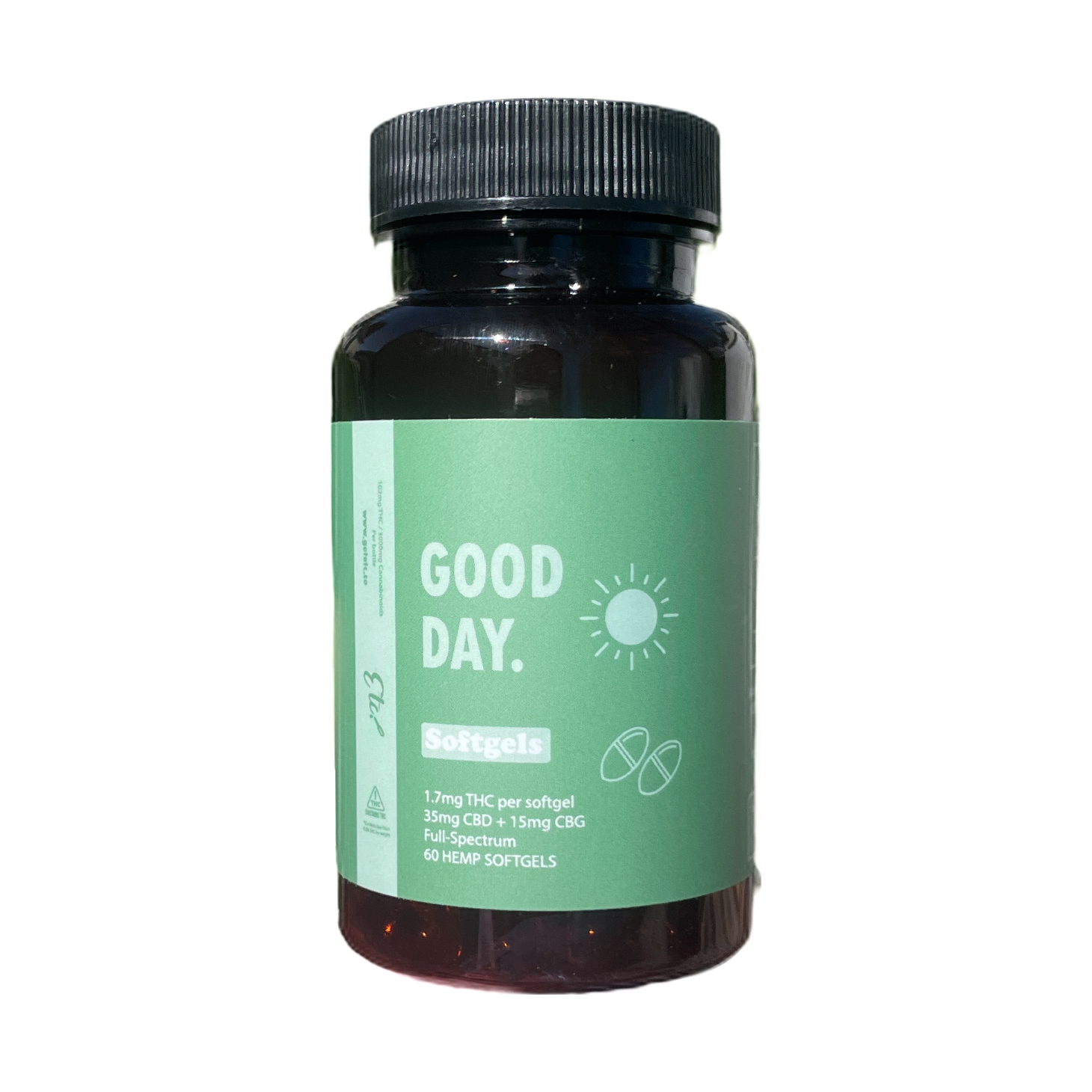
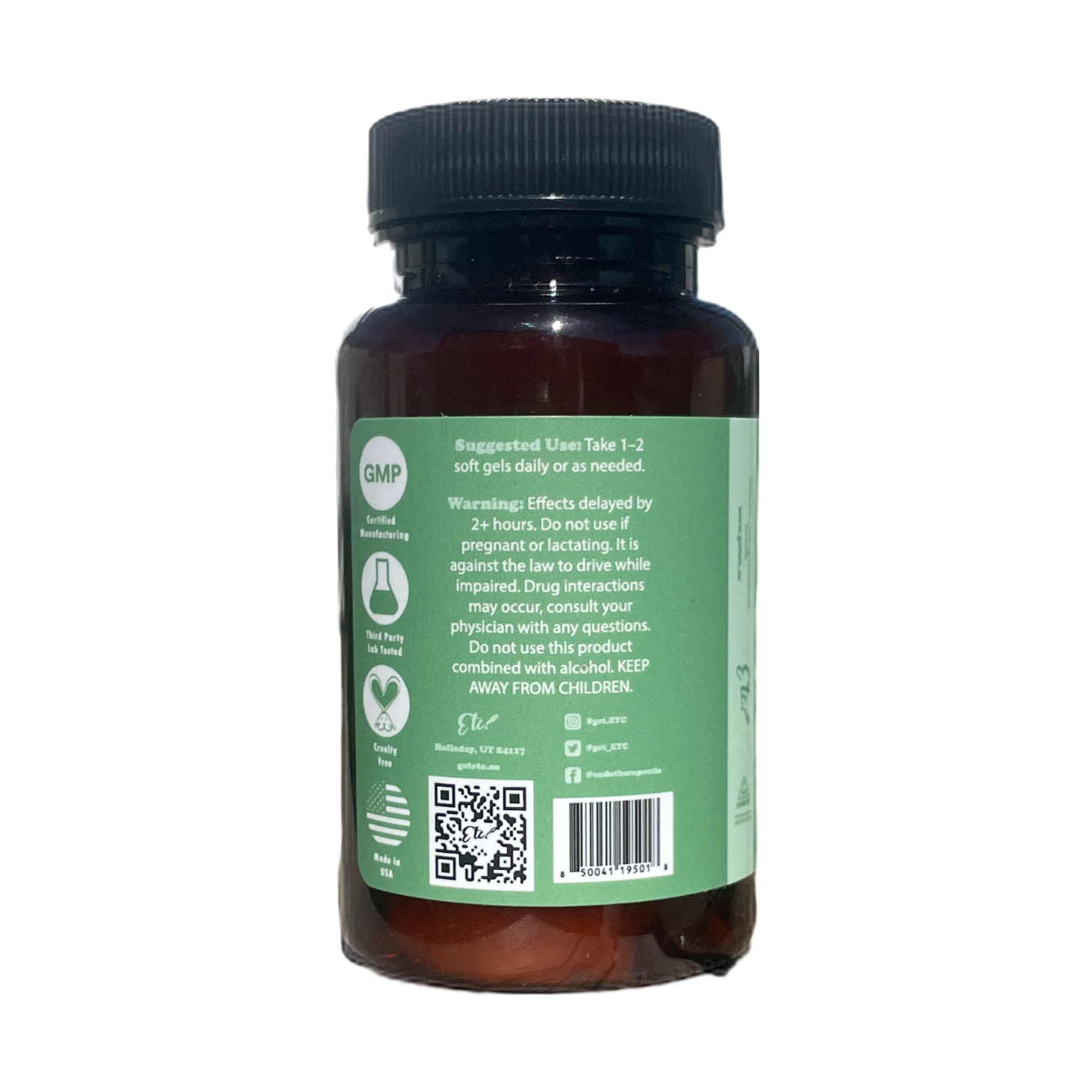
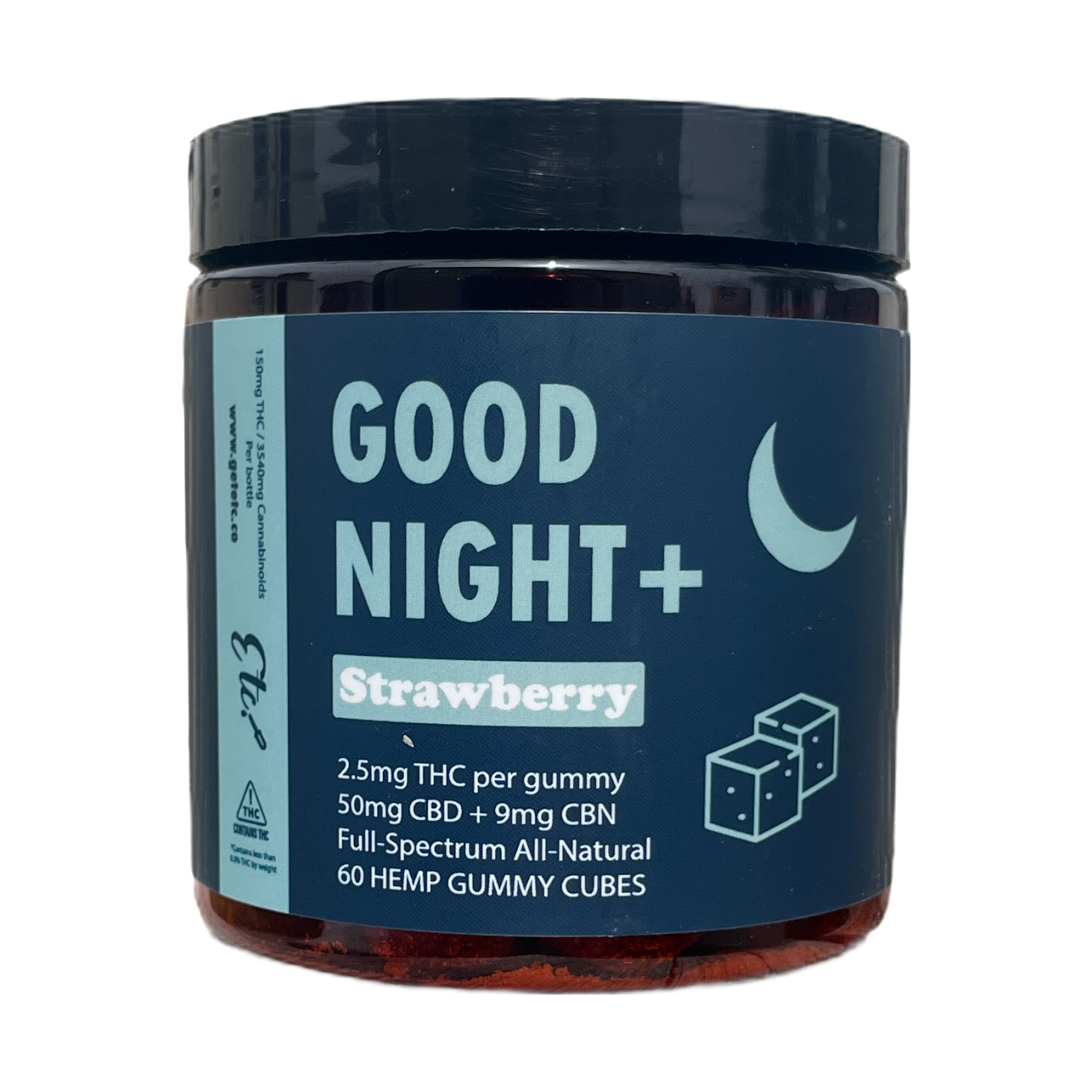
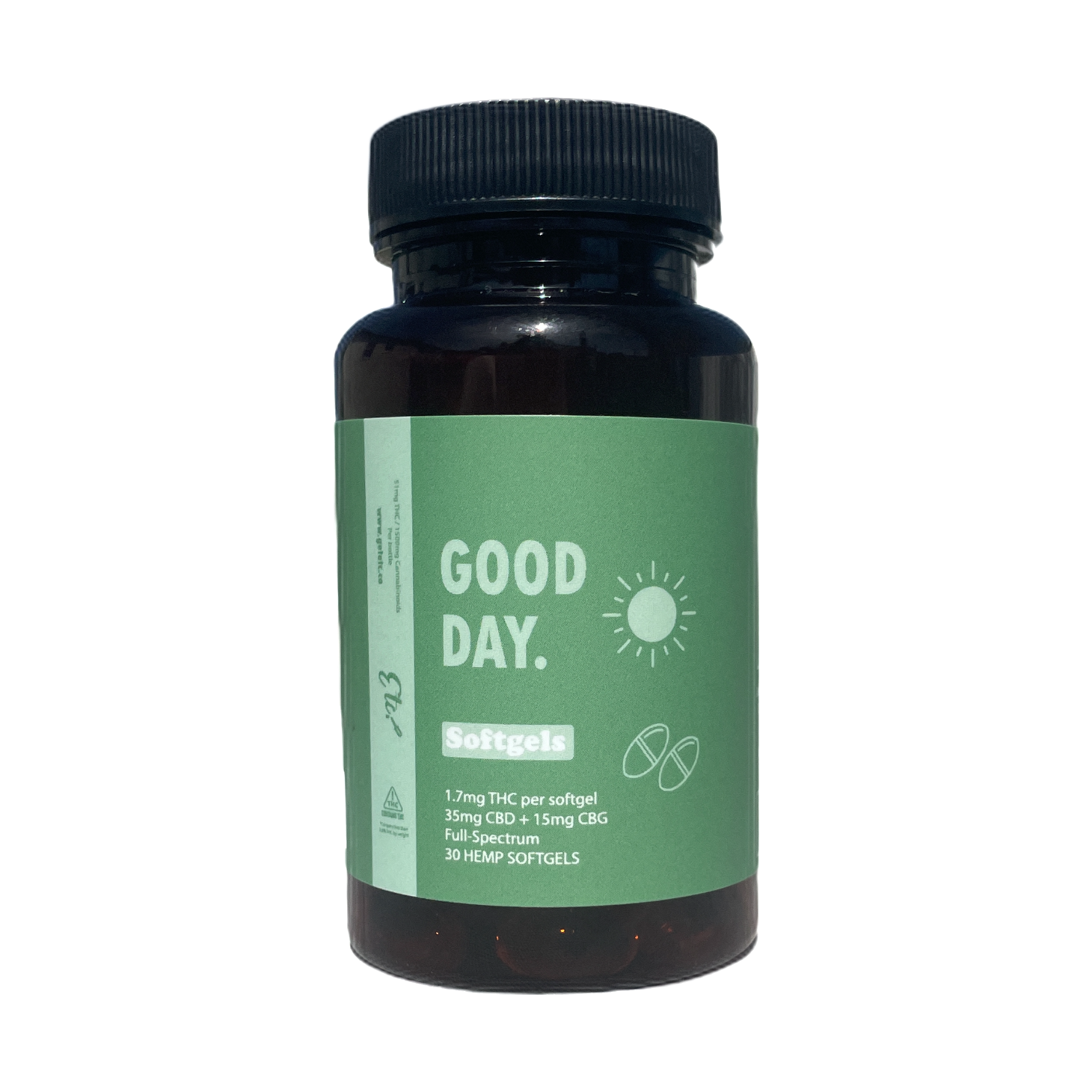
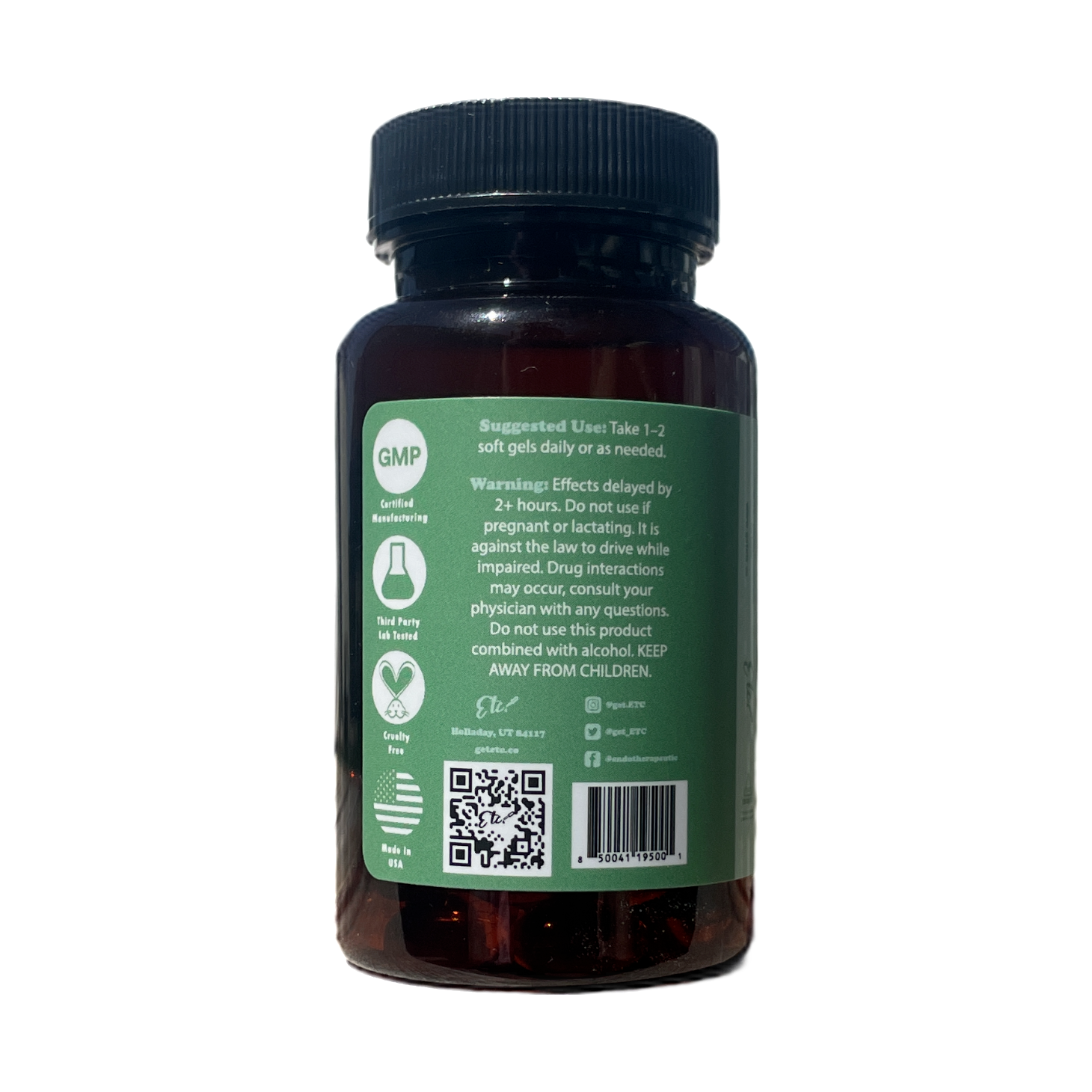
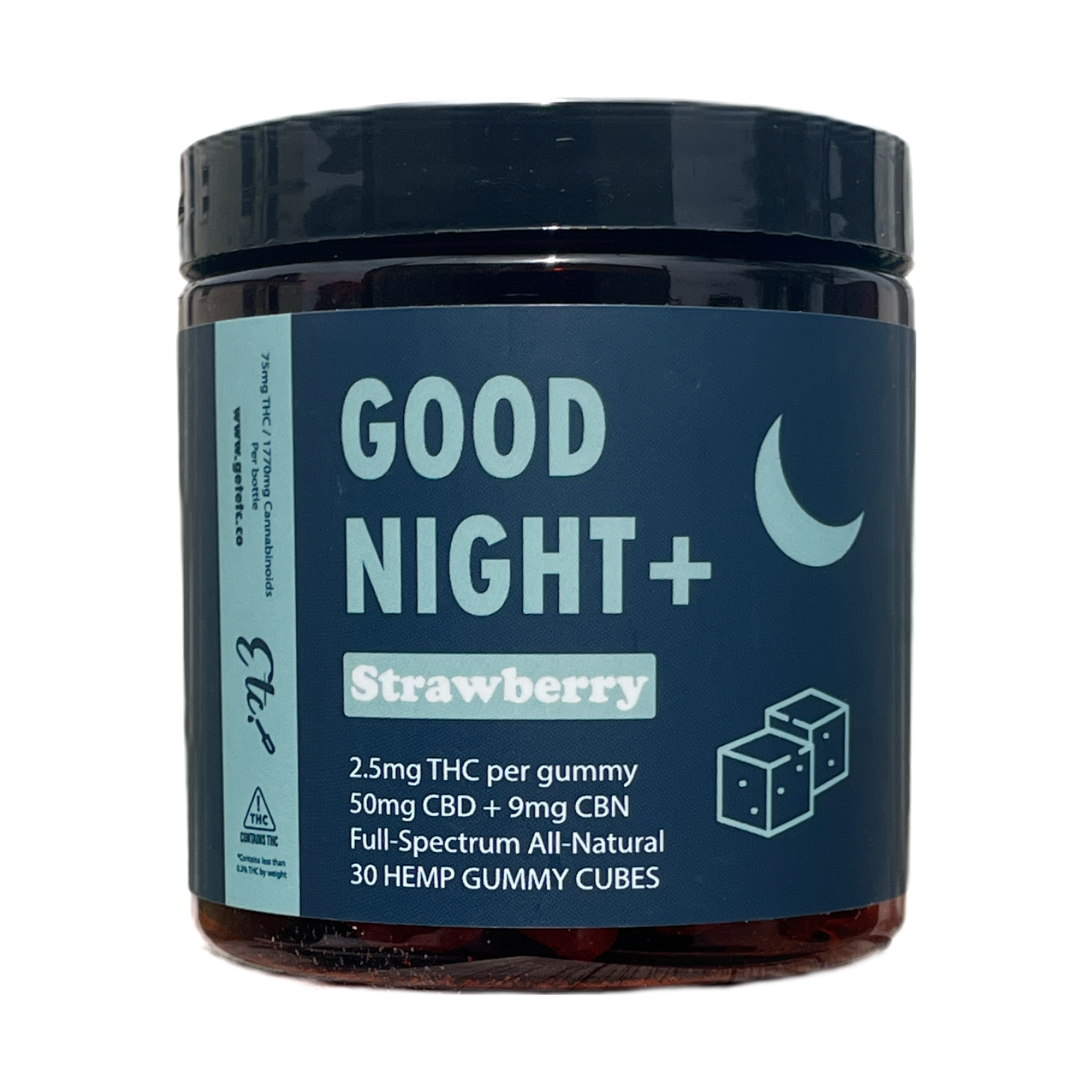
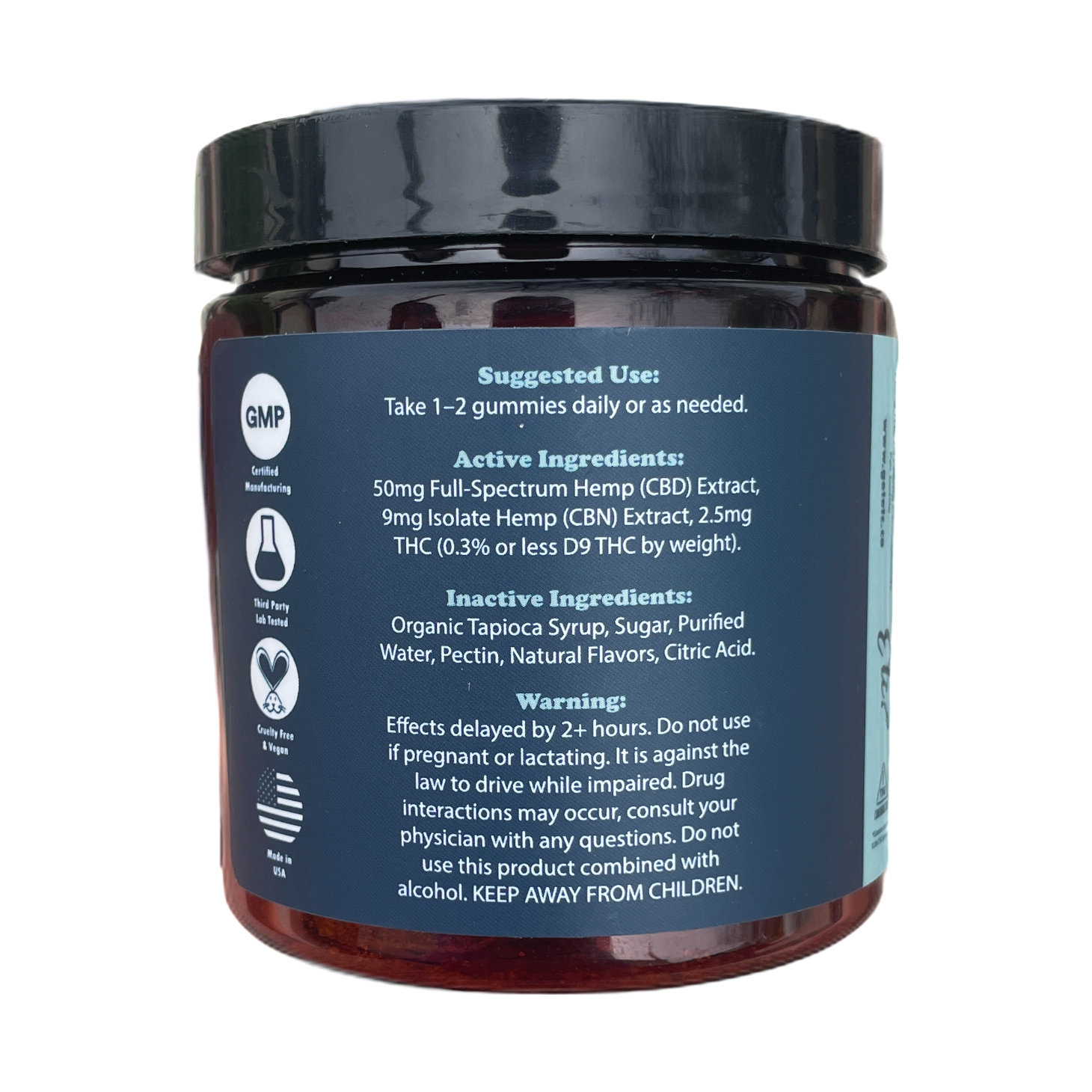
If a more consistent sense of calm and balance is what gets you there, Good Day is worth exploring as a daytime starting point. Or if your evenings are where the tension tends to live, Good Night might be the more useful entry.
Either way, the point isn’t the product. The point is getting back to your own life and actually being there for it.
Disclaimer: These statements have not been evaluated by the Food and Drug Administration. This product is not intended to diagnose, treat, cure, or prevent any disease. Consult your healthcare provider before starting any new wellness regimen.