



Even your shoulders forgot they could drop
There’s a thing that happens when you finally exhale after a long drive. Your shoulders drop about an inch and a half. Your jaw unclenches. You realize, only in that moment of release, how long you were holding.
That’s not a metaphor. That’s Tuesday.
Most of us don’t notice body tension while we’re in it. We notice it when it’s gone, briefly, and then we forget again. The shoulders creep back up. The jaw tightens. The neck does that thing where it fuses to itself somewhere around the third hour of a workday. We adapt to it so thoroughly that the tightness starts to feel like baseline. Normal. Just how the body is.
It isn’t, though. That’s the thing worth sitting with.
The problem with normal
When tension becomes familiar enough, we stop reading it as a signal. We stop asking what it’s responding to. We just carry it, the way you carry a bag you forgot was on your shoulder until someone points to the red mark it left.
This matters because the body keeps score whether we’re paying attention or not. Chronic tension isn’t just uncomfortable. It’s fatiguing. It quietly drains the energy you were planning to spend on something else: a real conversation with your kid, an afternoon project that actually matters, a meal you eat slowly instead of inhaling. The body’s tension budget and the life-presence budget are drawing from the same account.
Which means the question isn’t really “how do I fix my neck?” The question is: what would I do with more of myself back?
What showing up actually requires
There’s a version of presence that gets described in wellness content as if it’s a personality trait: some people have it, some people don’t. But presence is largely physical. You can’t be fully attentive when your body is broadcasting discomfort on a low, constant frequency. You can’t be patient when every muscle in your upper back is quietly arguing with you.
This isn’t weakness. It’s just how the nervous system works. Physical comfort isn’t a luxury that comes after you’ve earned presence. It’s often what makes presence available in the first place.
The people who seem most genuinely engaged, most able to listen well and respond warmly, most capable of finding something like joy in an ordinary moment: they’re not always the ones who meditated longest or optimized their schedules most. Sometimes they’re just the ones who aren’t white-knuckling their own bodies through the day.
Where full-spectrum hemp fits into this
Your body already runs a system designed for this kind of regulation. The endocannabinoid system (ECS) is in every mammal on the planet. It’s been part of human biology for longer than most of our conscious wellness practices. It helps maintain balance across the body, including the physical systems that govern tension, recovery, and rest.
When stress accumulates, when sleep slips, when the day runs longer than it should, the ECS can fall behind on what the body needs. Phytocannabinoids from hemp, particularly CBD and CBC (both of which have documented muscle relaxant properties), work alongside what the body is already producing. Not overriding the system. Supporting it.
Full-spectrum products use the whole plant, all 113-plus known cannabinoids working together, which tends to be more effective than any single isolated compound. That’s the entourage effect, and it’s why the formulation matters, not just the milligrams.
The trust piece
None of this means much if you can’t trust what’s actually in the product you’re taking. And that’s where a lot of people have gotten burned, understandably, in a market that moved faster than its own standards.
ETC publishes Certificates of Analysis for every batch, third-party verified, available publicly at reliefetc.com/pages/coa. Every product is physician-reviewed. The reason that matters for a topic like muscle comfort and body ease isn’t that you need to read lab documents to feel better. It’s simpler than that: knowing you can trust what you’re taking removes one more thing your nervous system has to manage. Skepticism, especially justified skepticism, is itself a form of tension.
When that piece is settled, something shifts. You’re not trying a product with one eye watching for problems. You’re just giving your body the support and seeing what it does with it.
The real payoff
In ETC’s own 8-week observational study, participants reported an average 30% improvement in overall wellbeing. Mood showed the largest total gain. Energy improved steadily, week over week. The results weren’t dramatic in any single moment. They were cumulative, like small recalibrations that add up to something recognizable.
What they added up to was being more like themselves.
That’s worth naming directly, because it can get lost in the conversation about cannabinoids and dosing and lab results. The point isn’t the product. The point is what you do when your body isn’t fighting you. The point is the dinner where you were actually there for it. The conversation where you had room to listen. The afternoon that felt like it belonged to you instead of to everything that needed doing.
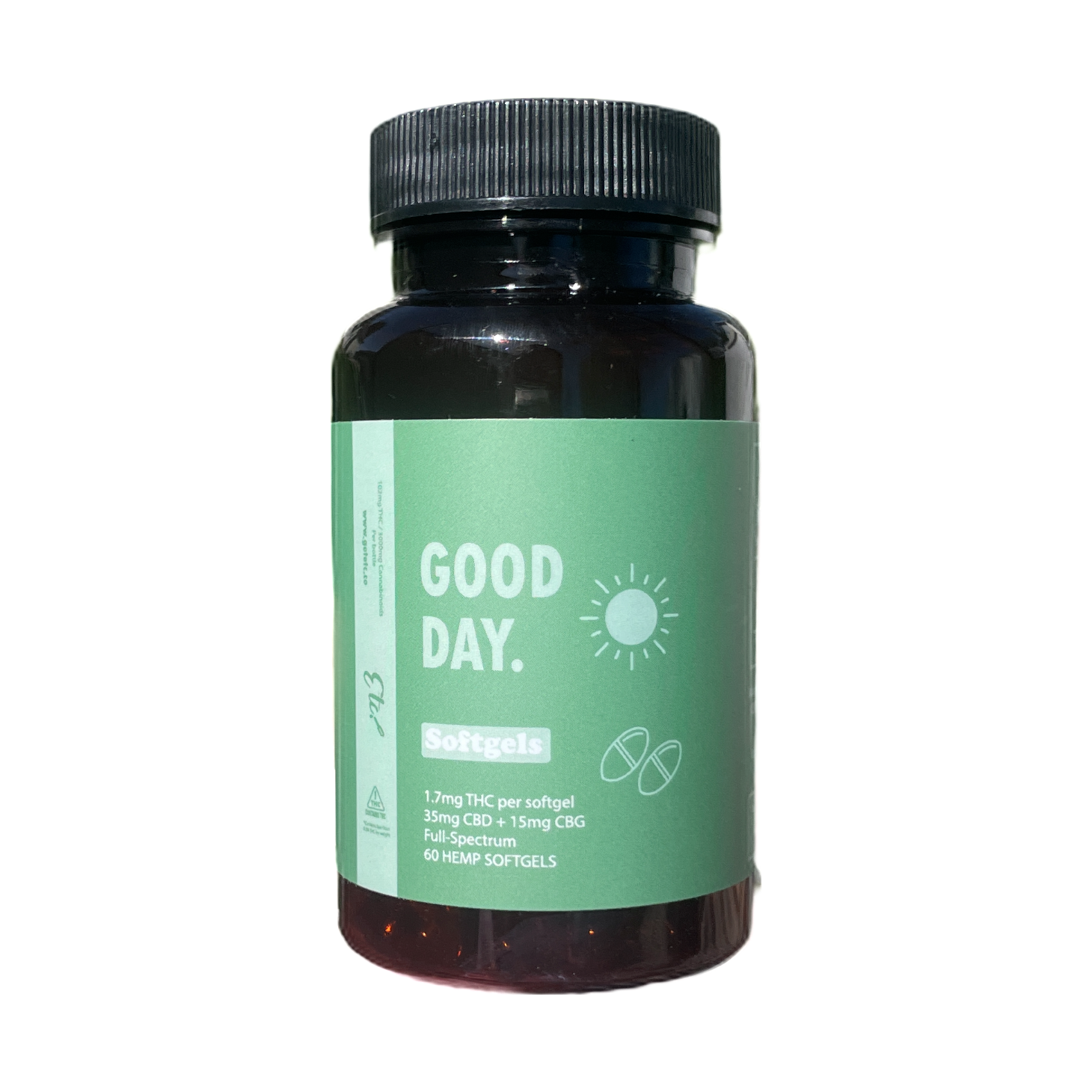
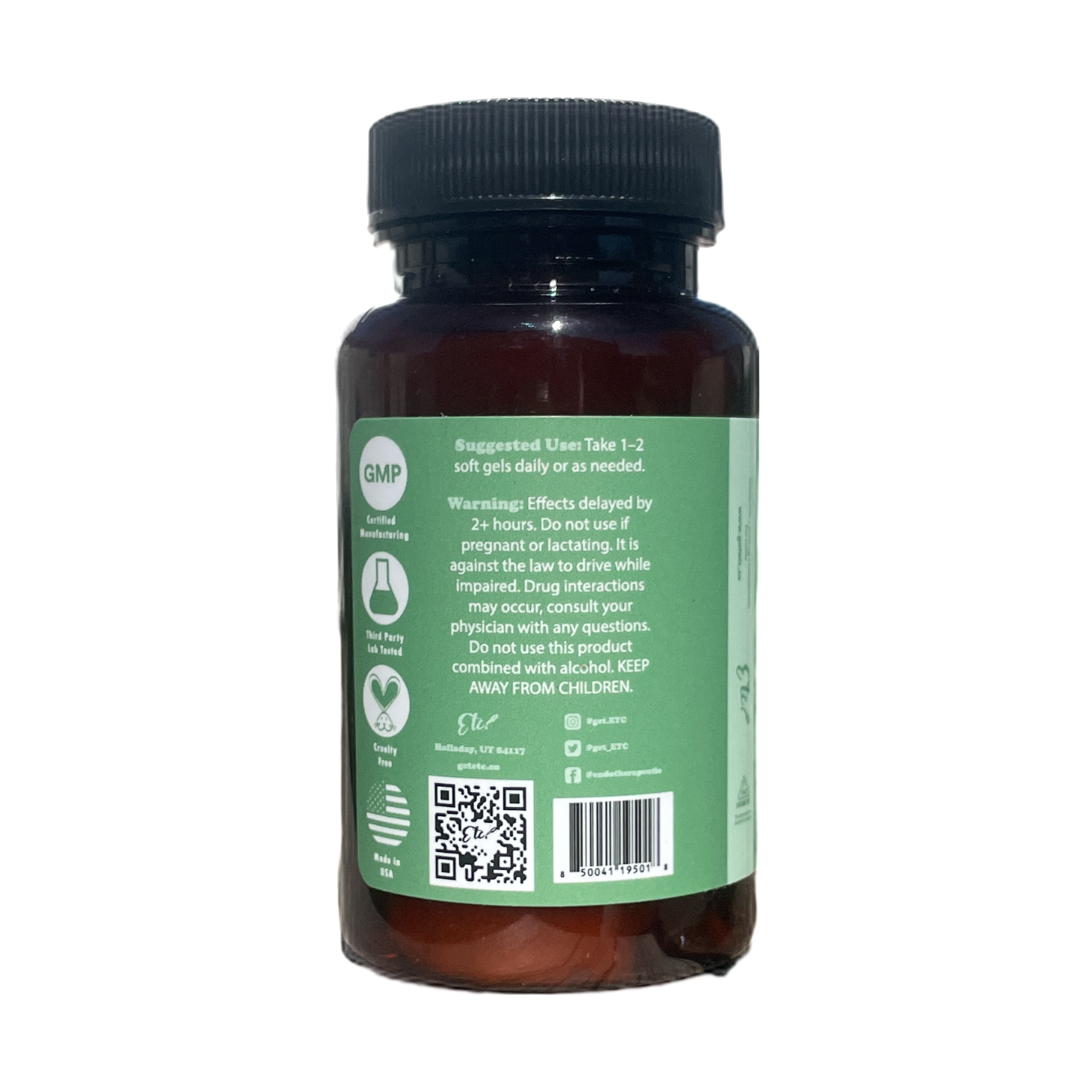
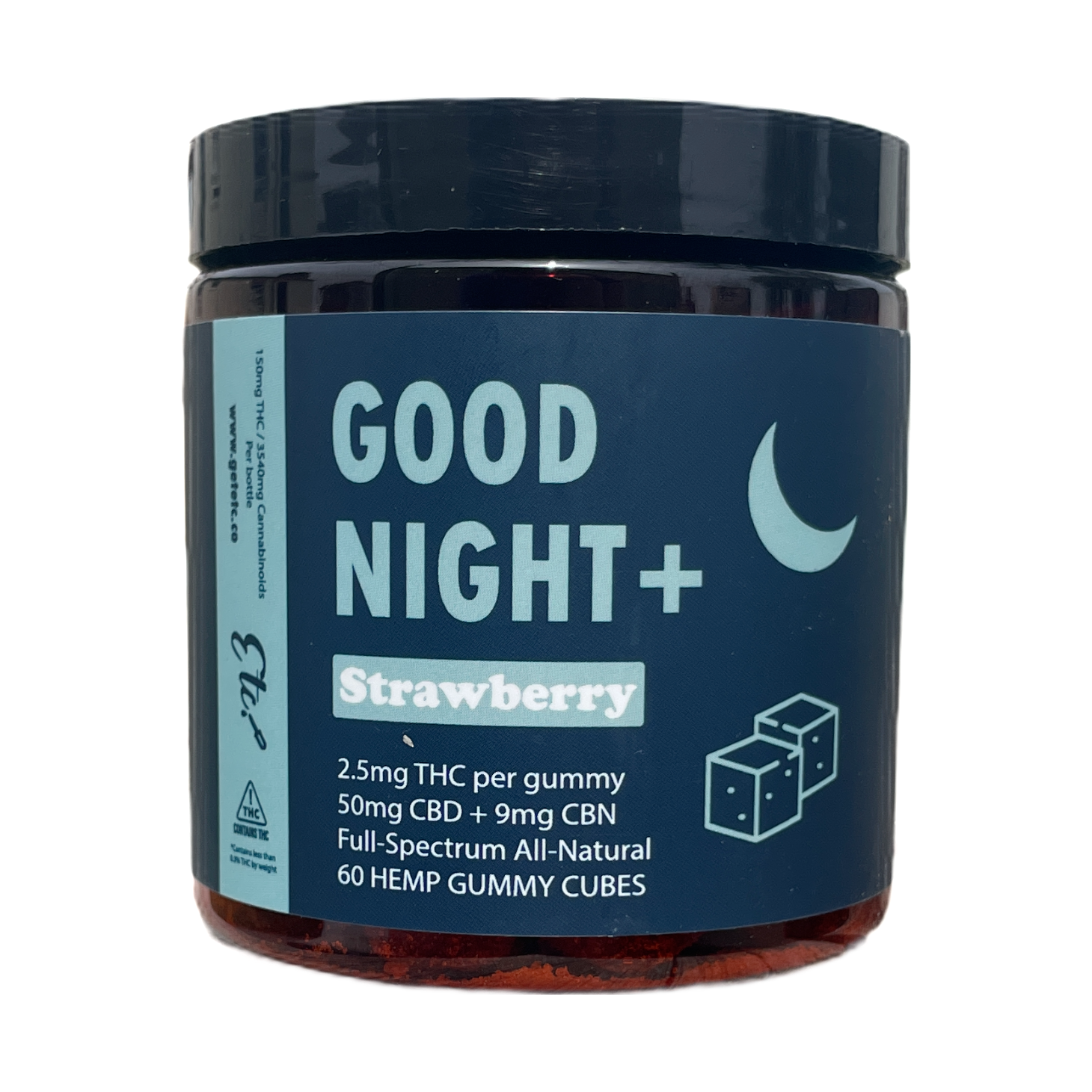
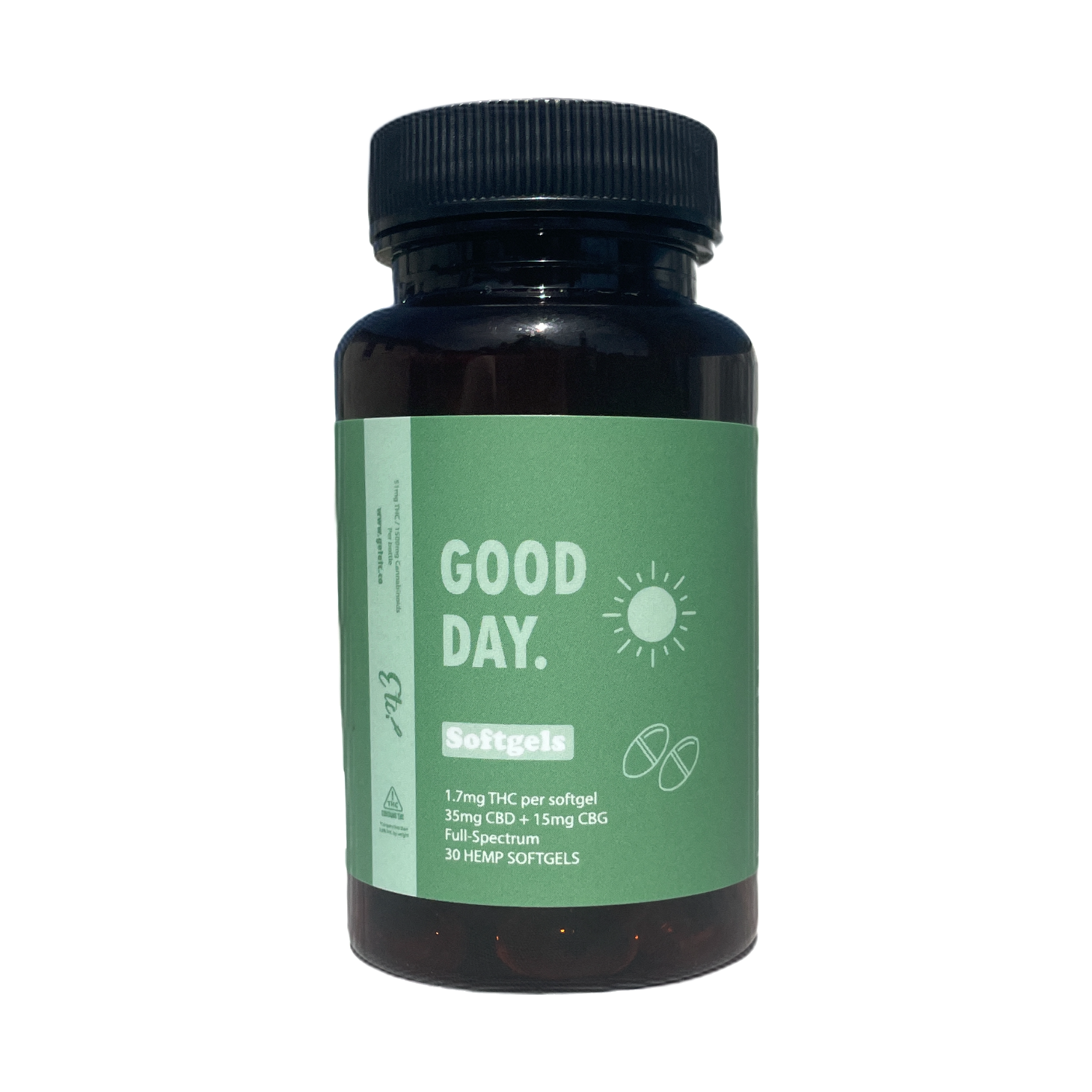
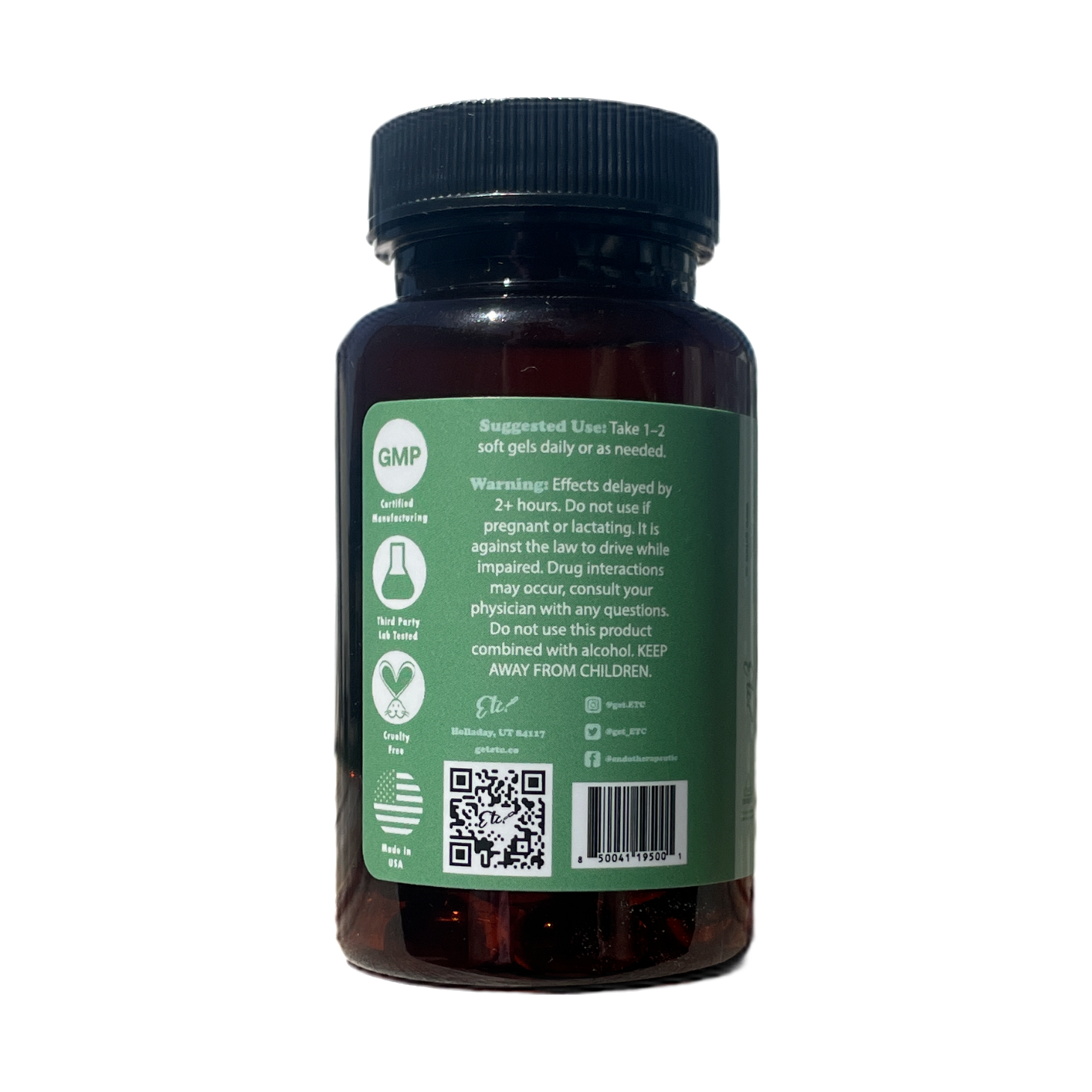
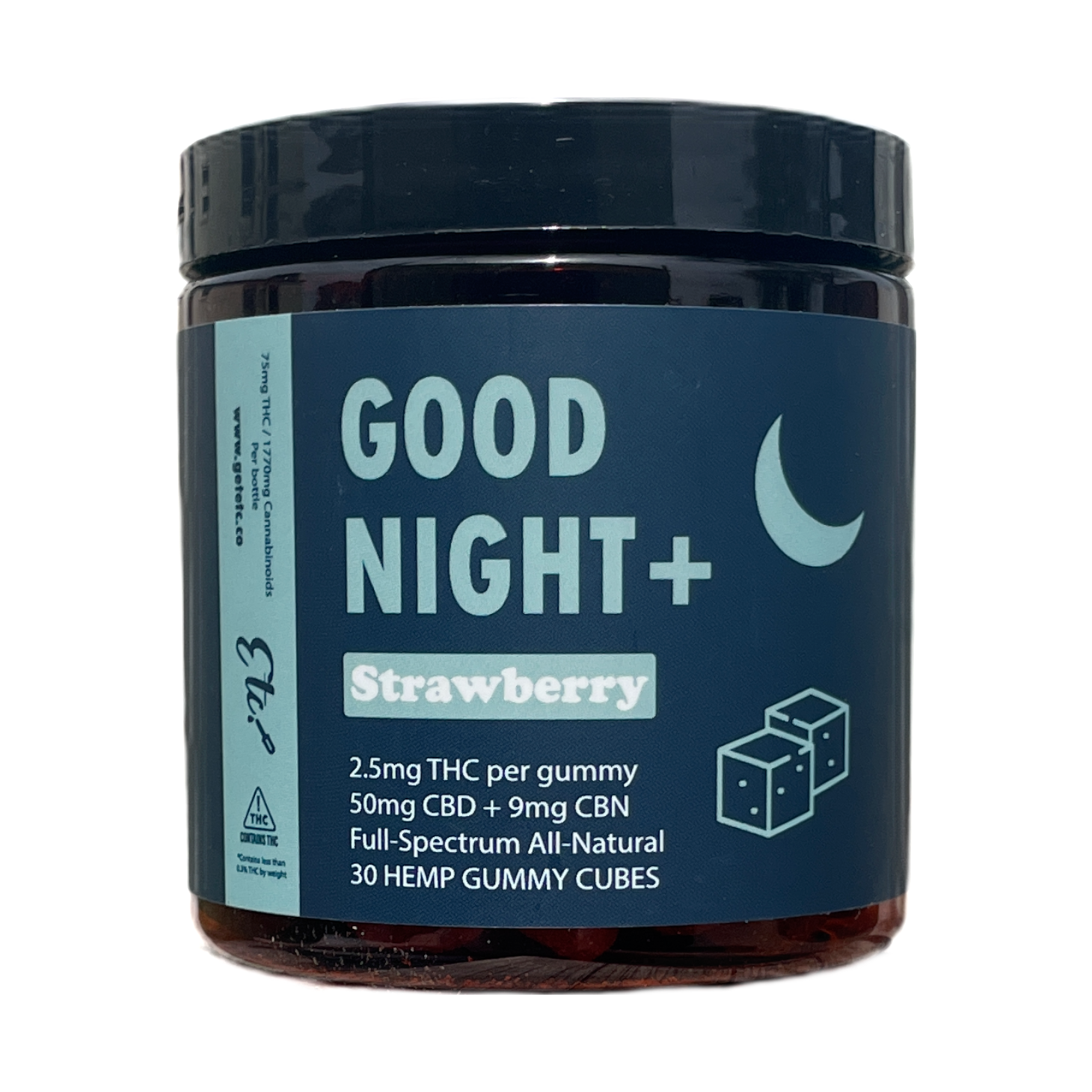
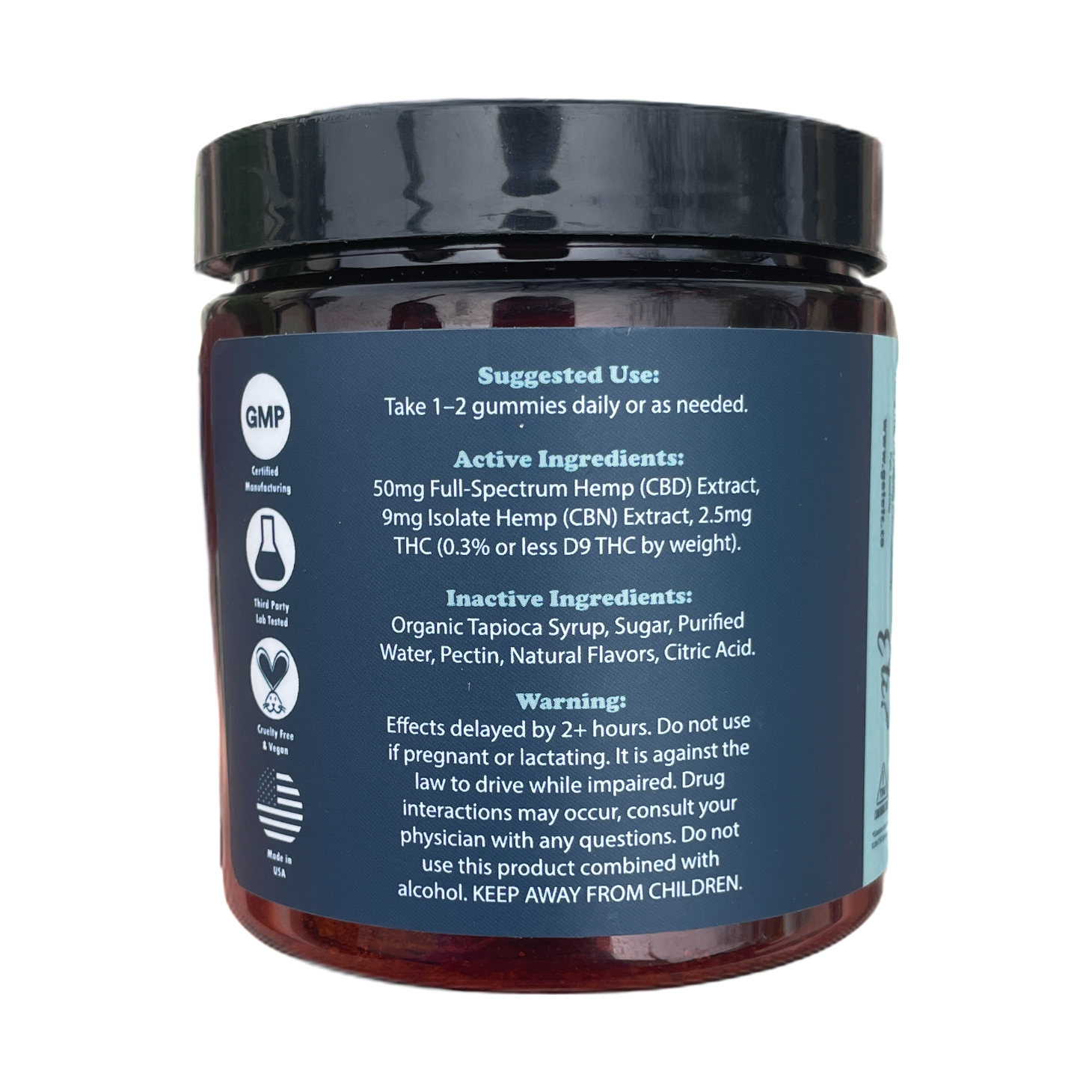
If you’re starting out, the Good Day formulas (with extra CBG for daytime balance) or the Good Night options (with extra CBN for evening wind-down) are both good entry points depending on when you feel the most tension accumulating. Effects generally arrive within 30 to 90 minutes and build with consistency over the first few weeks.
A small permission
You’re allowed to want physical comfort as an end in itself. You don’t need to justify it as productivity optimization or frame it as self-care strategy. The shoulders are allowed to drop simply because it feels better when they do, and because you’re a person, not a machine running on willpower.
But also: you’ll probably be better at everything you care about when they do.
That’s not a sales pitch. That’s just what happens when the body remembers it doesn’t have to hold everything so tightly all the time.
Disclaimer: These statements have not been evaluated by the Food and Drug Administration. This product is not intended to diagnose, treat, cure, or prevent any disease. Consult your healthcare provider before starting any new wellness regimen.
Photo by Michael Starkie on Unsplash