




Before You Buy CBD, Check This Part of the Lab Report
The belief that goes something like: a lab report is just a formality — that’s the one worth questioning before you spend a dollar on any hemp product.
Here’s why it matters more than you think. The CBD market is enormous and largely unpoliced at the point of sale. A bottle can say “full-spectrum” on the front and deliver almost nothing on the inside. The lab report, specifically the Certificate of Analysis (COA), is the one document that tells you whether what’s on the label is actually in the product. Knowing how to read it turns you from a shopper into a decision-maker. That’s a different kind of person entirely.
What a COA Actually Is
A COA is a third-party lab document that breaks down exactly what’s in a given batch of product: which cannabinoids are present, at what concentrations, and whether the product passed testing for contaminants like heavy metals, pesticides, and residual solvents.
Two things to check immediately when you pull up a COA: the date and the lab name. A COA that’s more than a year old is stale. The lab name should be one you can search independently; reputable third-party labs have their own web presence and aren’t just an internal department of the brand selling you the product. That independence is the entire point.
At ETC, COAs for every product are published publicly at reliefetc.com/pages/coa. Any batch, any time. That’s not a sales point; it’s just how accountability works.
The Part Most People Skip
Most people glance at the cannabinoid panel and move on. The number they check is CBD, because that’s what’s on the label. But the cannabinoid breakdown tells a much more complete story.
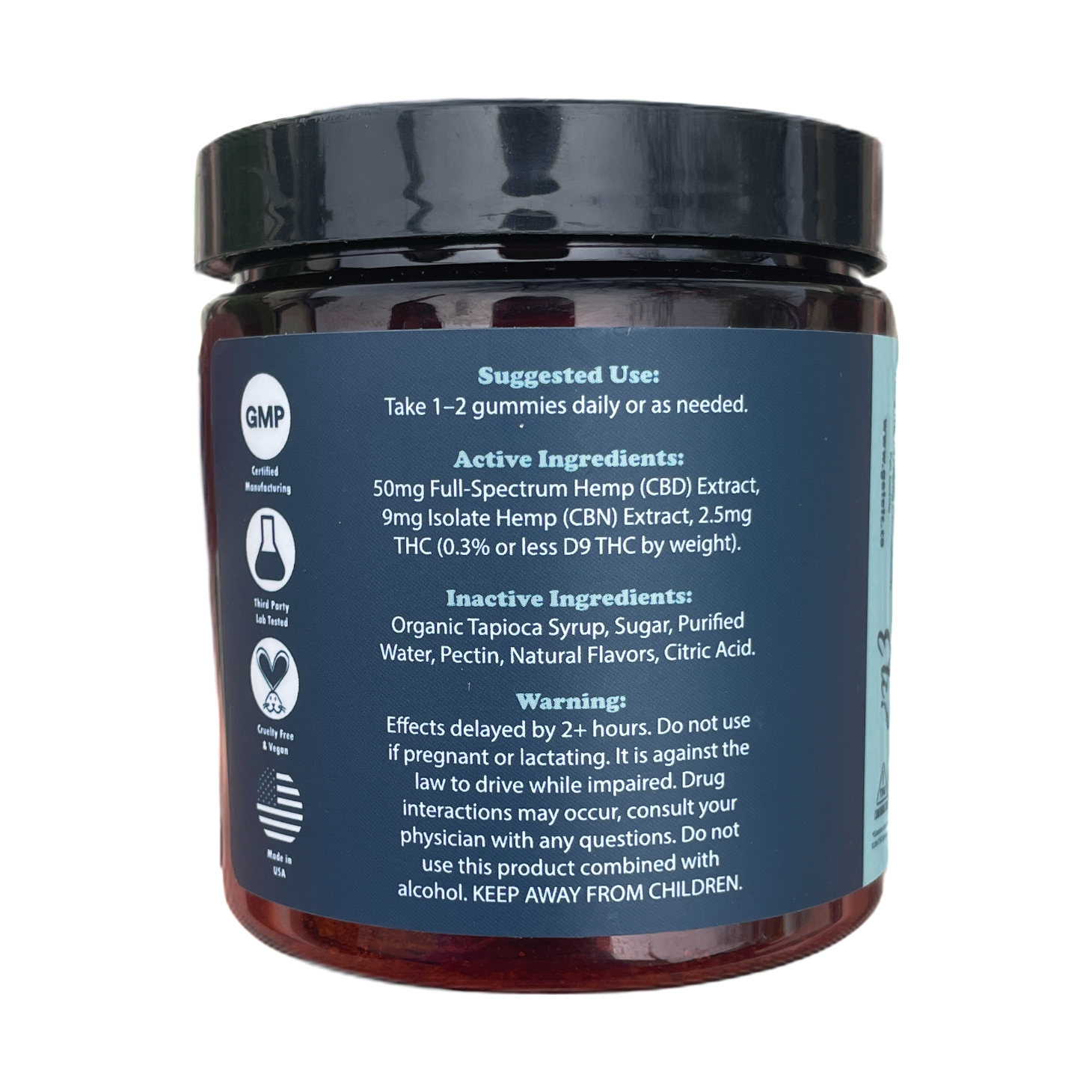
Full-spectrum products should show multiple cannabinoids: CBD, yes, but also CBG, CBN, CBC, and trace THC (under 0.3% for legal hemp). If you open a COA and see only CBD listed with zeros across the board for everything else, that’s an isolate, not a full-spectrum product, regardless of what the label says.
Why does this matter? The current understanding of hemp science points toward what’s called the entourage effect: cannabinoids working together produce a more complete result than any single cannabinoid in isolation. A full-spectrum product isn’t just marketing language; it’s a meaningfully different product. The COA is how you verify you’re actually getting one.
What the Cannabinoid Panel Tells You
When you scan the cannabinoid section, here’s what to look for:
CBD concentration. Does the tested amount roughly match what’s on the label? A 25mg serving should show up somewhere in that neighborhood, not 8mg or 40mg. Significant discrepancy in either direction is a red flag.
THC. Legal hemp must come in under 0.3% THC. Confirm it does. This is both a legal and a practical consideration, since regular use of full-spectrum hemp products, even at legal THC levels, can show up on employer drug screenings.
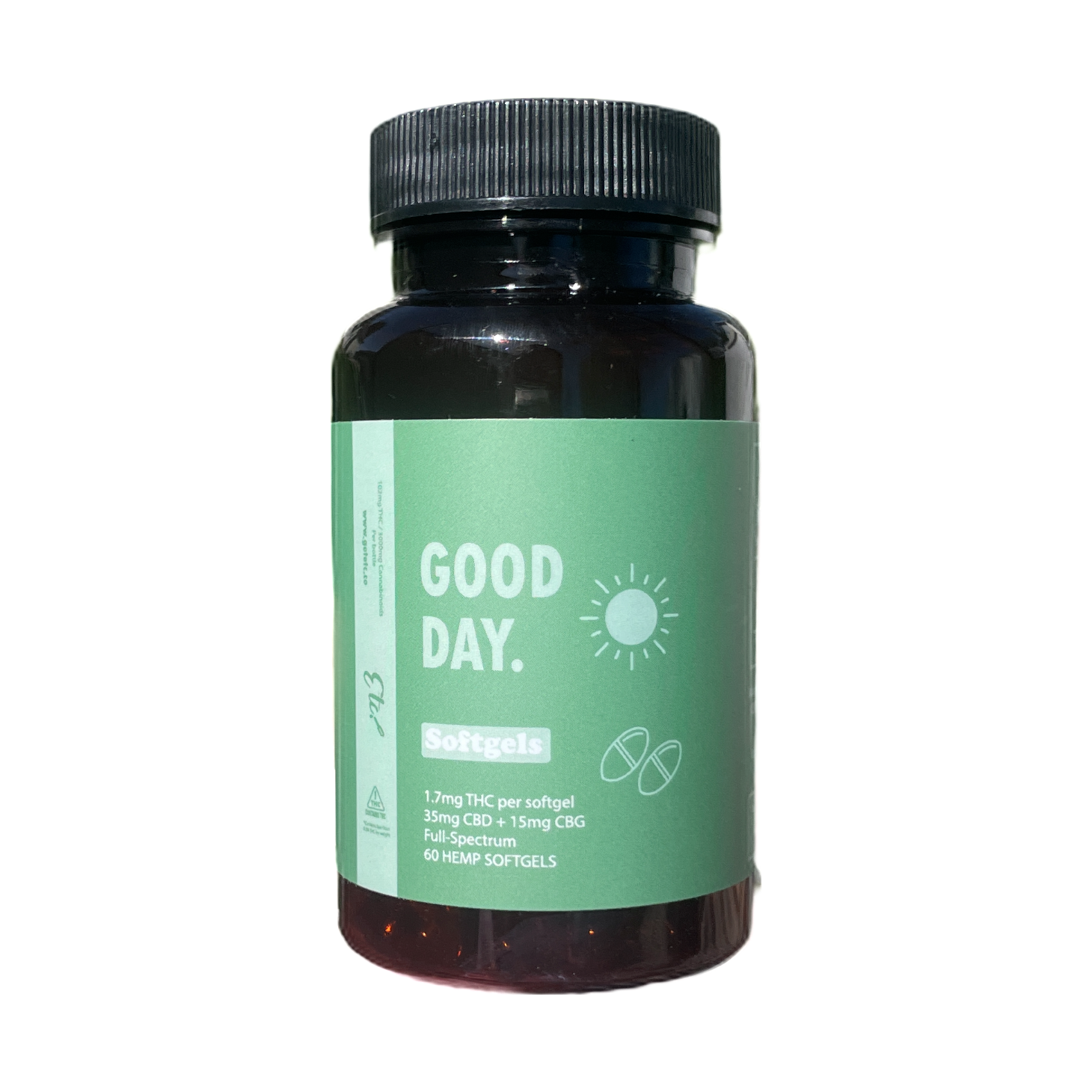
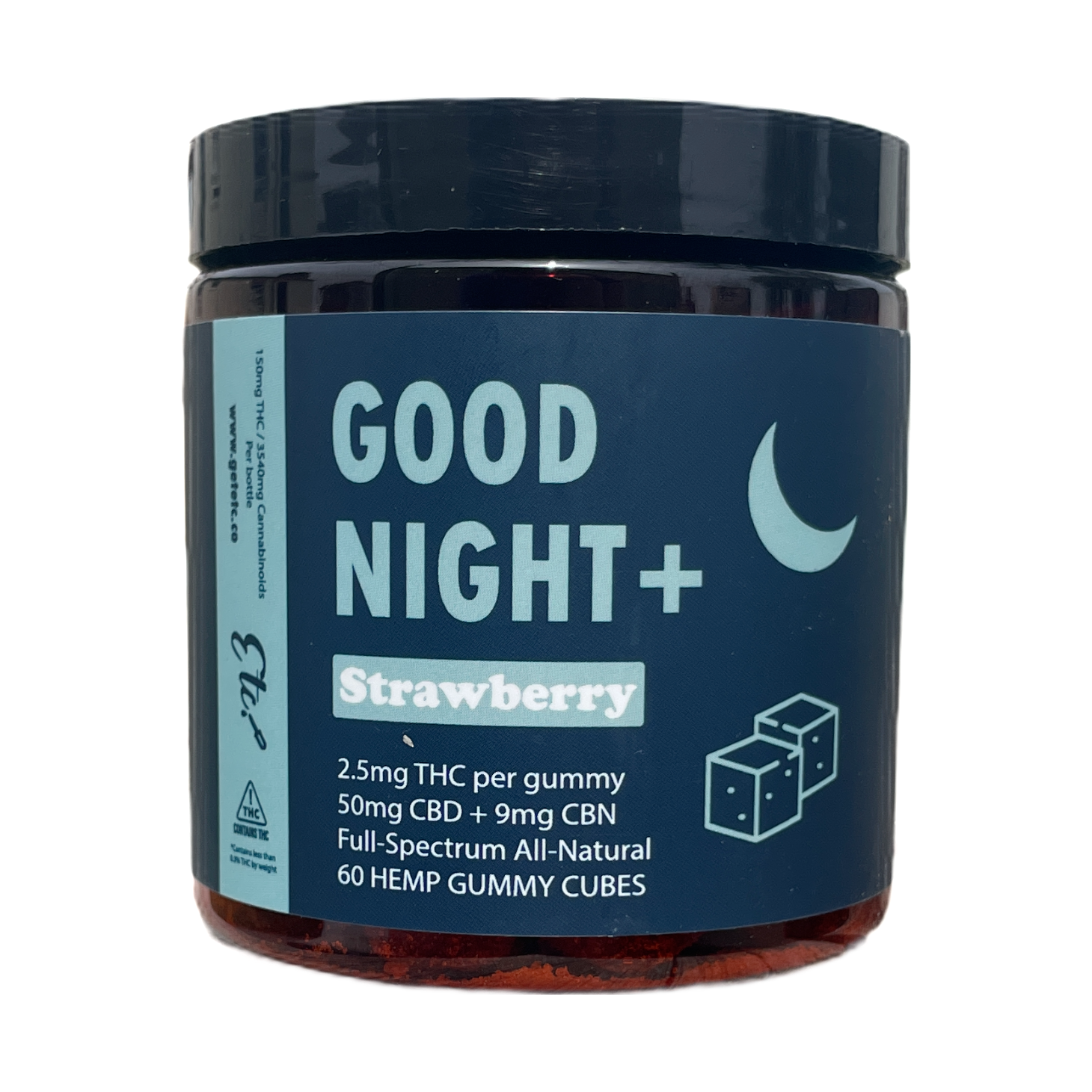
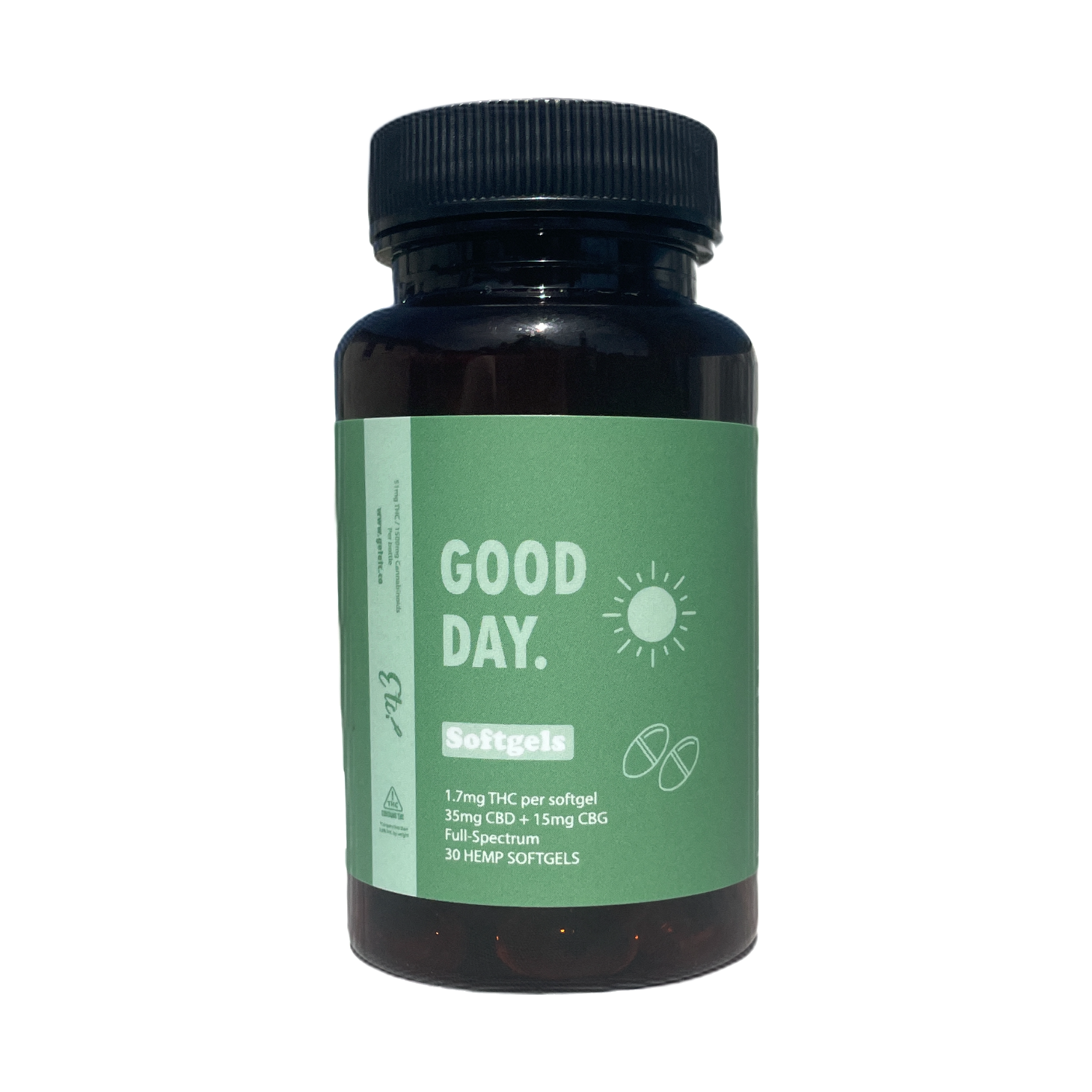
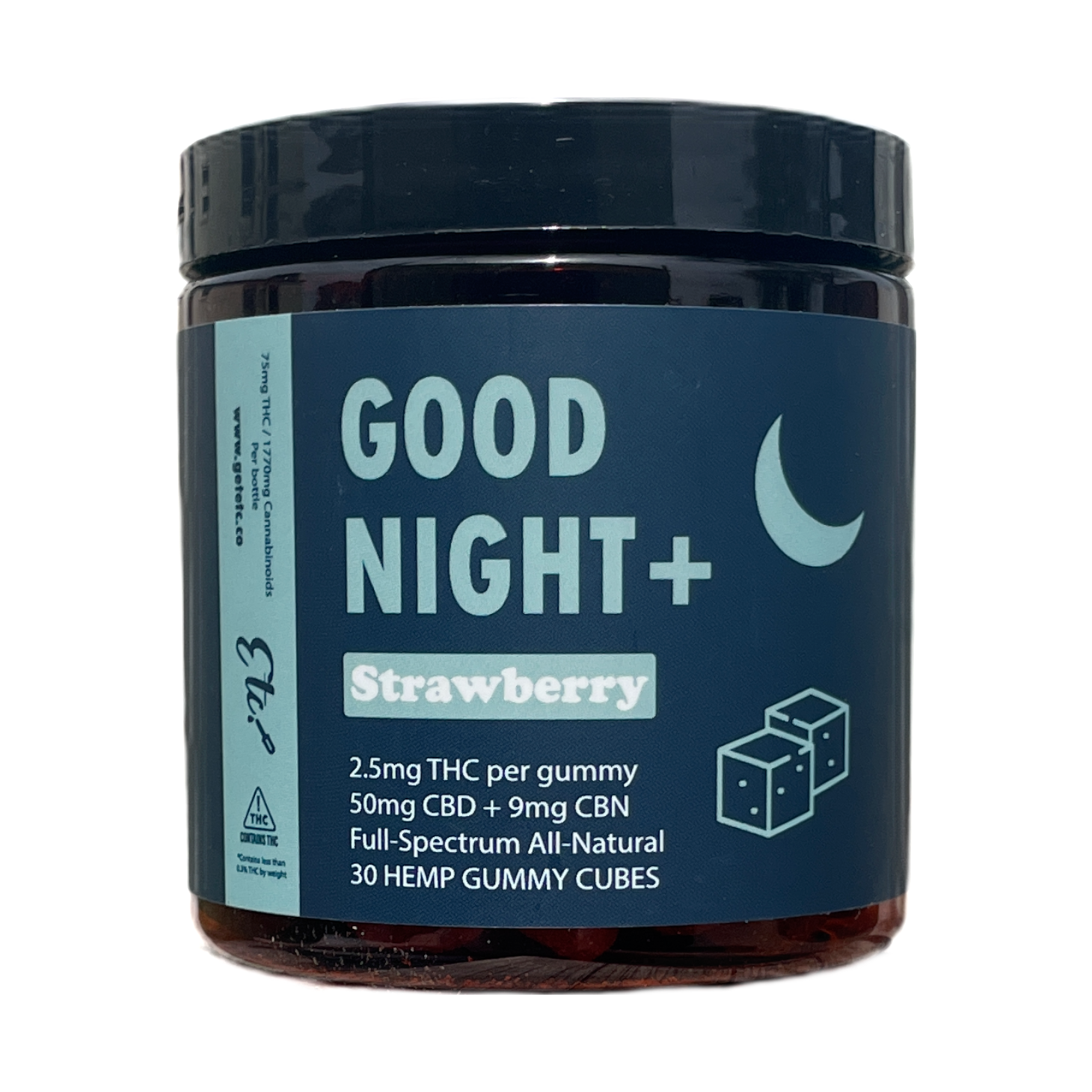
Minor cannabinoids. CBG, CBN, CBC — these should appear if the product claims to be full-spectrum. A Good Day formulation should show elevated CBG; a Good Night formulation should show elevated CBN. Those aren’t arbitrary: CBG is associated with daytime focus and balance, CBN with evening wind-down. The COA is how you confirm the product is doing what it says it does.
The Section Below the Cannabinoids
Scroll past the cannabinoid panel and you’ll find the contaminant testing results. Pesticides, heavy metals, residual solvents, microbials. Each one should show either “ND” (not detected) or a result that falls within acceptable limits.
This section is easy to skip because it doesn’t have a number you’re shopping for. But it’s worth a glance. Hemp is a bioaccumulator, meaning the plant readily absorbs whatever is in the soil around it. That’s a feature in environmental remediation; it’s a liability in a product you’re taking daily. Clean soil, clean farming practices, and a reputable lab all show up in this section of the COA.
Why This Skill Compounds Over Time
Here’s the payoff that goes beyond any single purchase decision.
The person who reads the COA is different from the person who just grabs the cheapest bottle. Not morally different — practically different. That person builds a wellness routine on something verifiable rather than something hopeful. And verifiable things tend to compound. In our own 8-week observational study, participants who used ETC products consistently reported an average 30% improvement in overall wellbeing, with gains across sleep, mood, and energy. The consistency was the variable that mattered most.
That kind of sustained, quiet improvement doesn’t come from buying on impulse. It comes from knowing what you’re choosing and why. Reading a COA is one of those small acts of self-knowledge that, repeated over time, adds up to something that feels a lot like confidence.
Not the performed kind. The kind that comes from actually knowing what you’re doing.
Where to Start
If you’re evaluating ETC products or any hemp product for the first time, open the COA before you add anything to your cart. It takes about two minutes. Check the lab, check the date, verify the cannabinoid panel matches the label, scan the contaminants section.
Then decide.
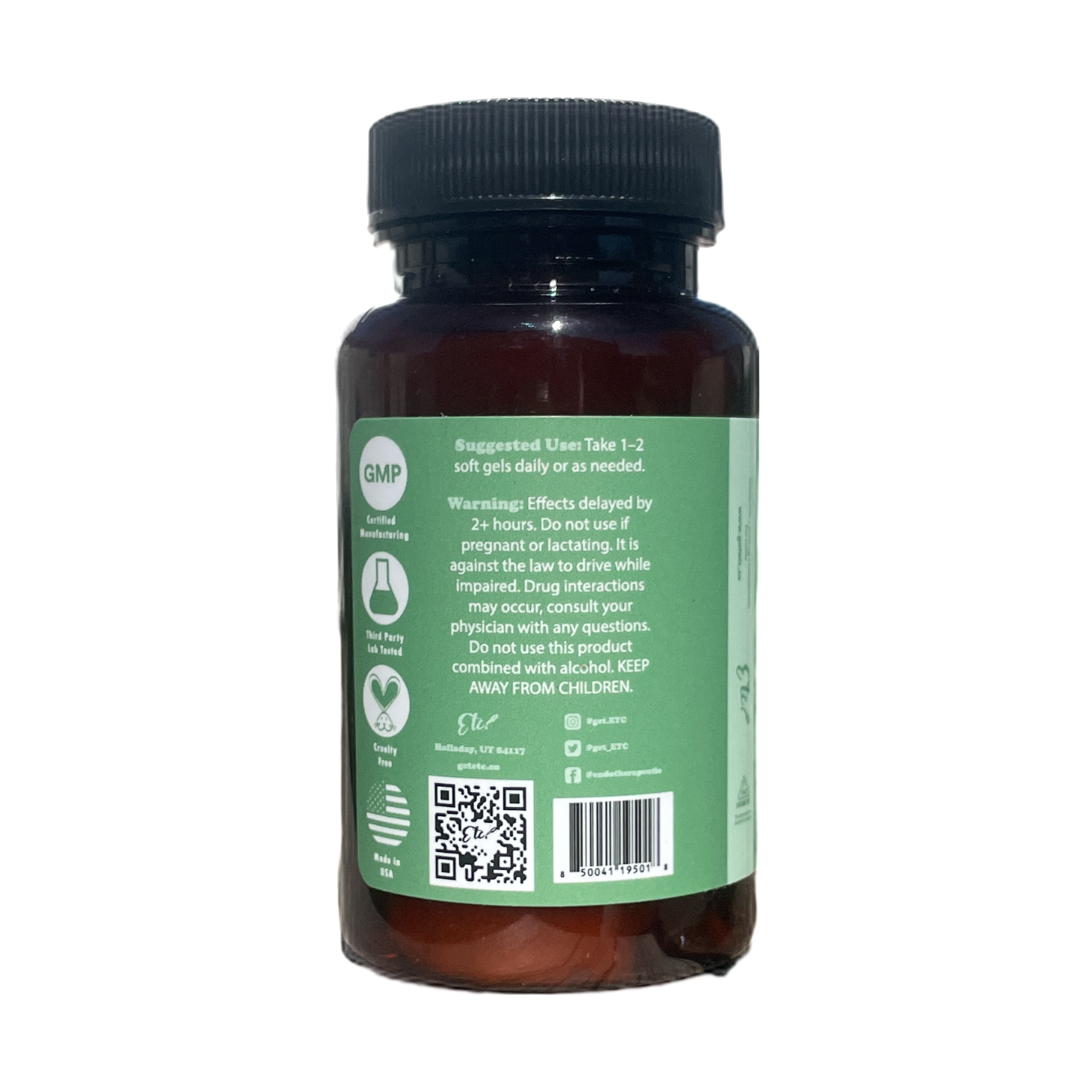
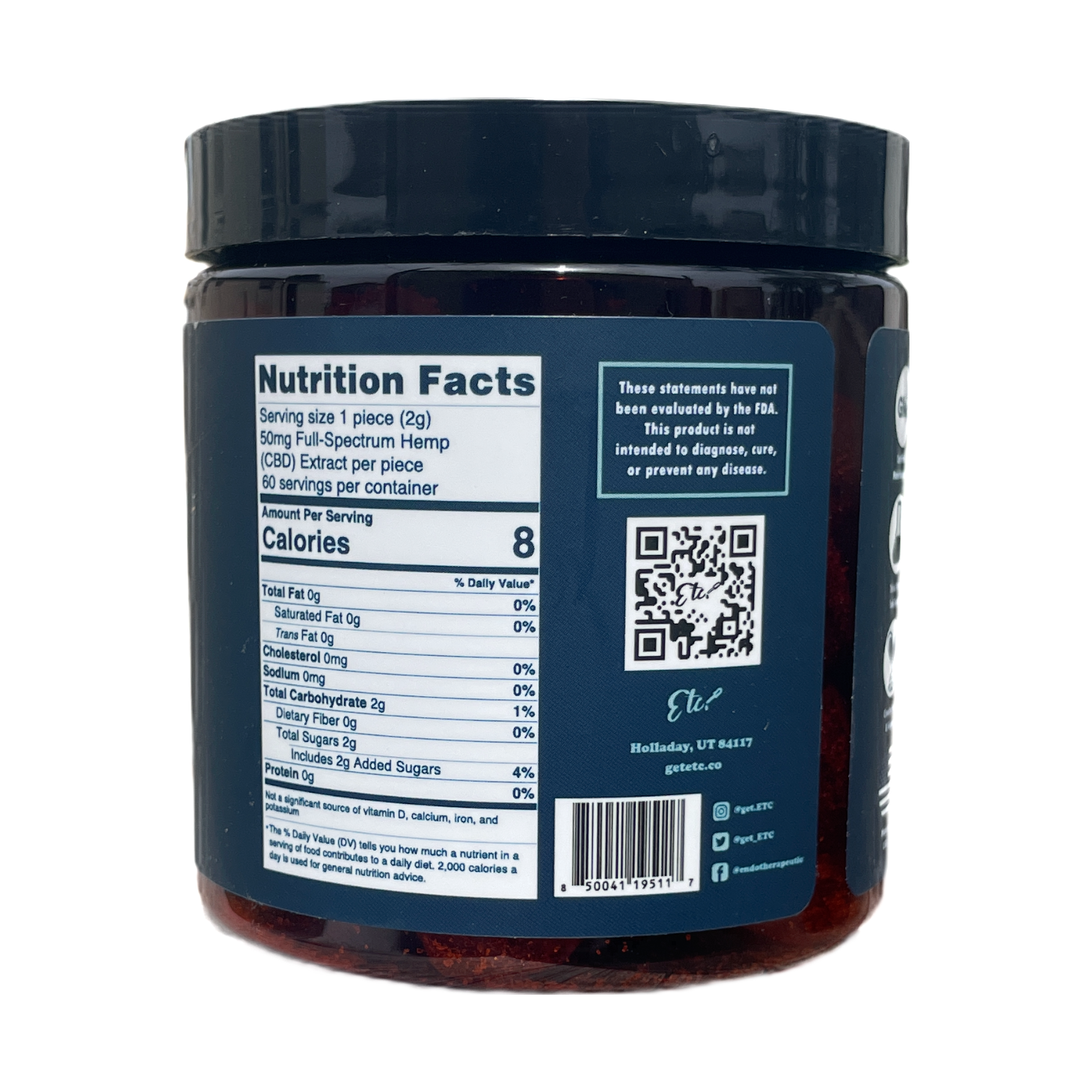
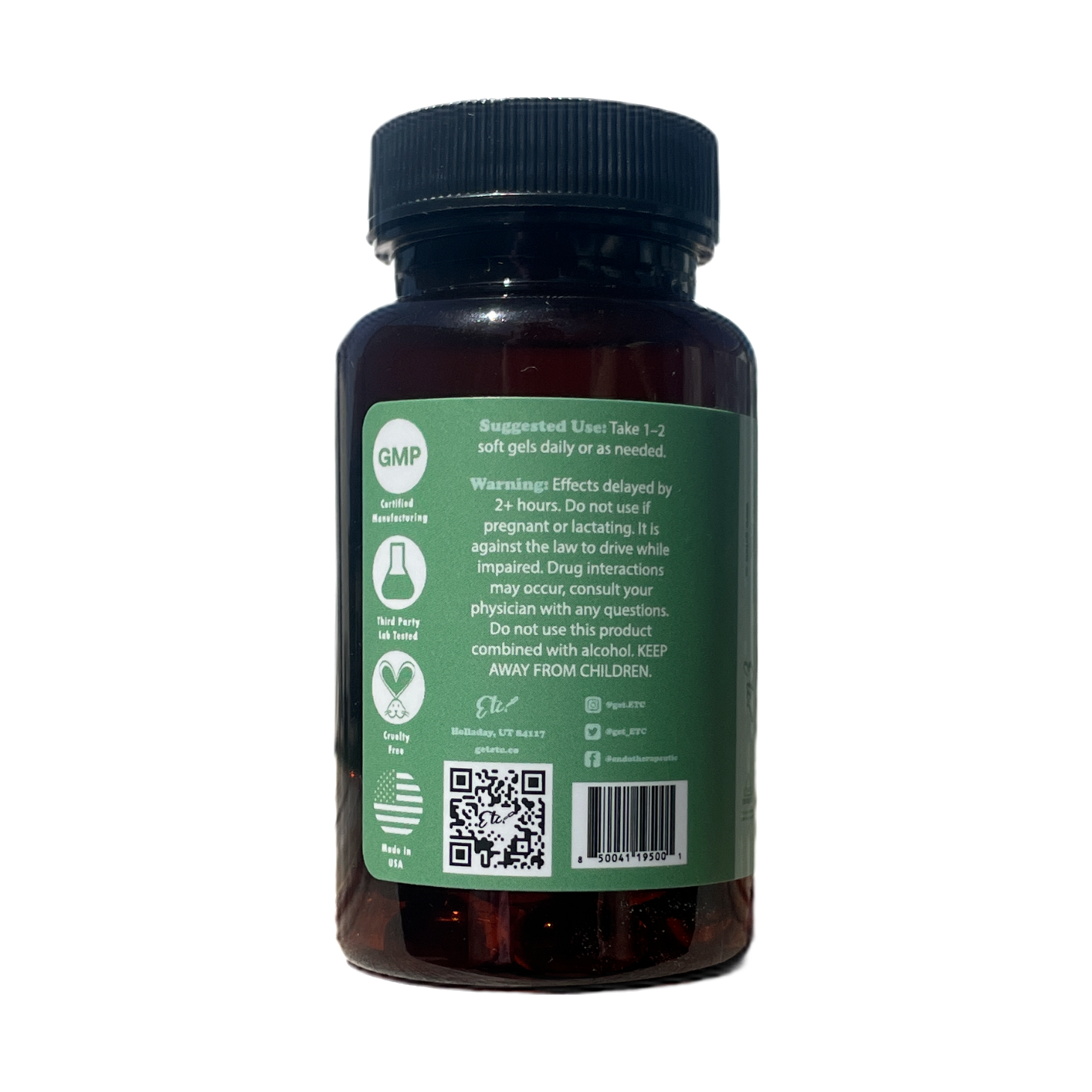
ETC’s full-spectrum softgels and gummies both come with current, publicly available COAs. The cannabinoid breakdowns reflect what’s actually in each formulation, not what sounds good on a label. That’s the starting point for building a routine you can actually trust.
And a routine you can trust is one you’ll actually keep.
Disclaimer: These statements have not been evaluated by the Food and Drug Administration. This product is not intended to diagnose, treat, cure, or prevent any disease. Consult your healthcare provider before starting any new wellness regimen.
Photo by Danny Greenberg on Unsplash