




When Bedtime Stops Feeling Like a Battle
There’s a belief a lot of people carry quietly: that if they’ve been relying on something to sleep, quitting it means white-knuckling through bad nights until their body “figures it out.” That the off-ramp is just suffering with a timeline.
That belief is worth reconsidering.
The real obstacle to getting off sleep aids often isn’t physical dependency. It’s the absence of something to replace them with. The moment you remove the crutch, you’re standing on one leg with no plan. That gap, not the letting go itself, is where most people get stuck.
This matters because the goal isn’t just fewer pills or gummies or glasses of wine at 10pm. The goal is a night you trust again. A bedtime that doesn’t feel like a negotiation.
The Setup Has More Power Than You Think
Sleep is less about the moment your head hits the pillow and more about the hour before it. The brain doesn’t shift from full-speed to rest on command. It needs a runway, a gradual descent.
Most people trying to move away from sleep aids have skipped that runway entirely. The sleep aid was the runway. Remove it, and suddenly you’re landing with no approach path.
Building a replacement isn’t about willpower. It’s about designing an environment your nervous system can actually read as “safe to rest now.” That might mean dimmer light after dinner. Putting your phone across the room. Stepping outside for five minutes. Drinking something warm without caffeine.
Small on their own. Cumulative over time.
The catch is that “cumulative over time” requires consistency, and consistency requires that the effort feel worth it. If your new evening ritual costs you forty-five minutes and mental bandwidth you don’t have, it won’t last two weeks.
This is where cost-per-dose starts to matter in a way that isn’t about money at all. It’s about sustainability. A practice you can actually afford, in every sense of the word, is one you’ll keep.
Why Some People Find a Bridge Useful
For some, the transition away from sleep aids goes smoother when there’s something bridging the gap: not another pharmaceutical, just a low-lift, low-cost addition to the wind-down routine.
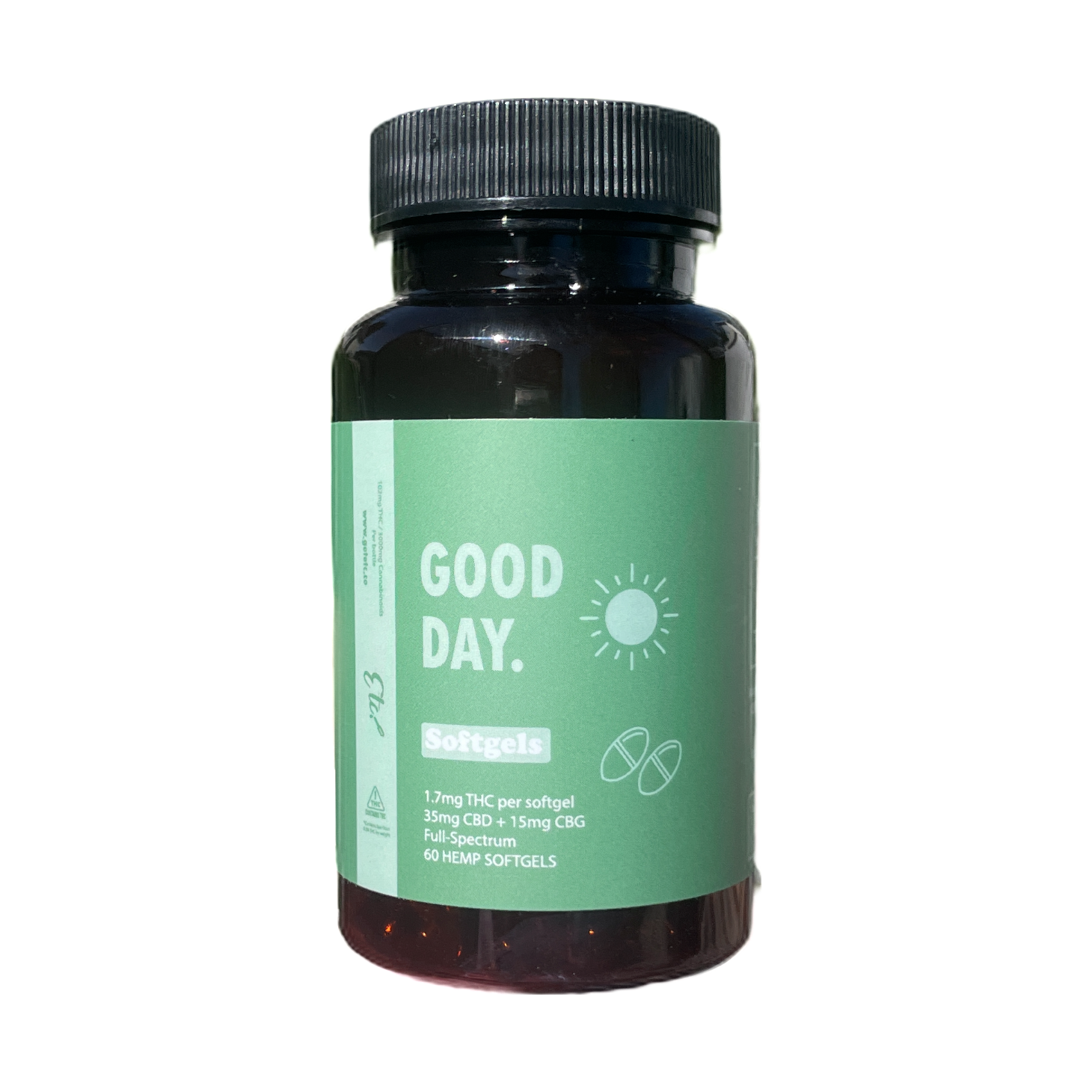
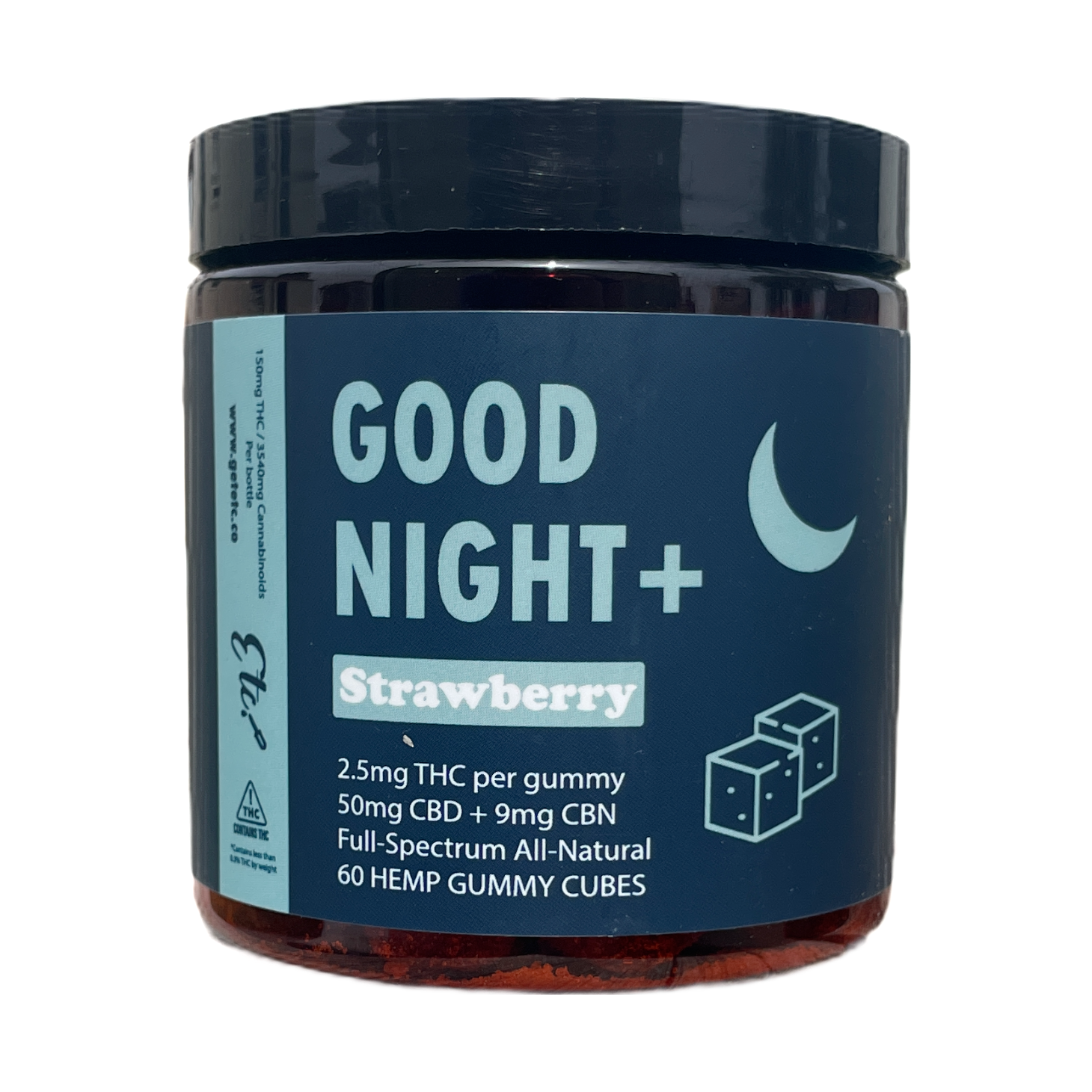
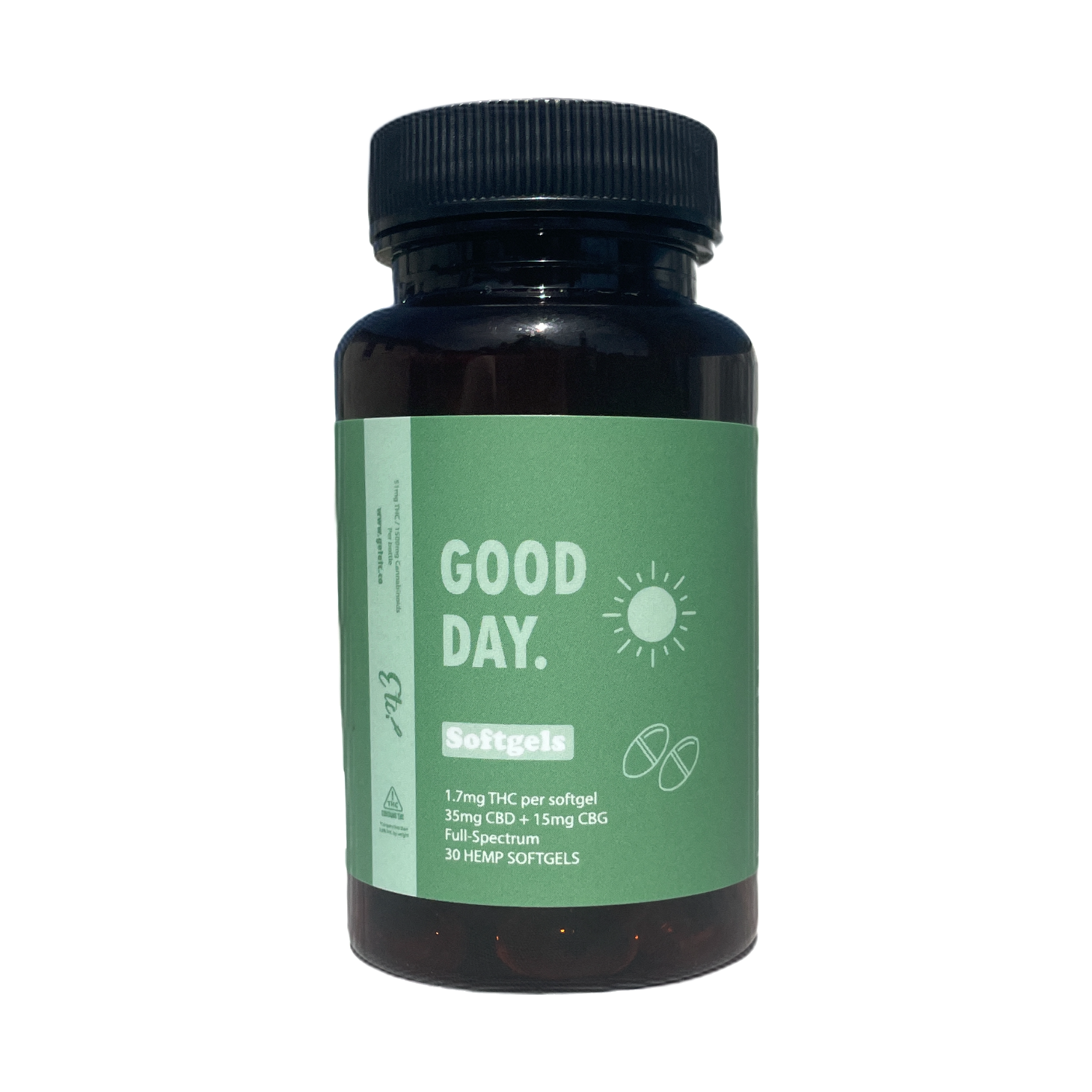
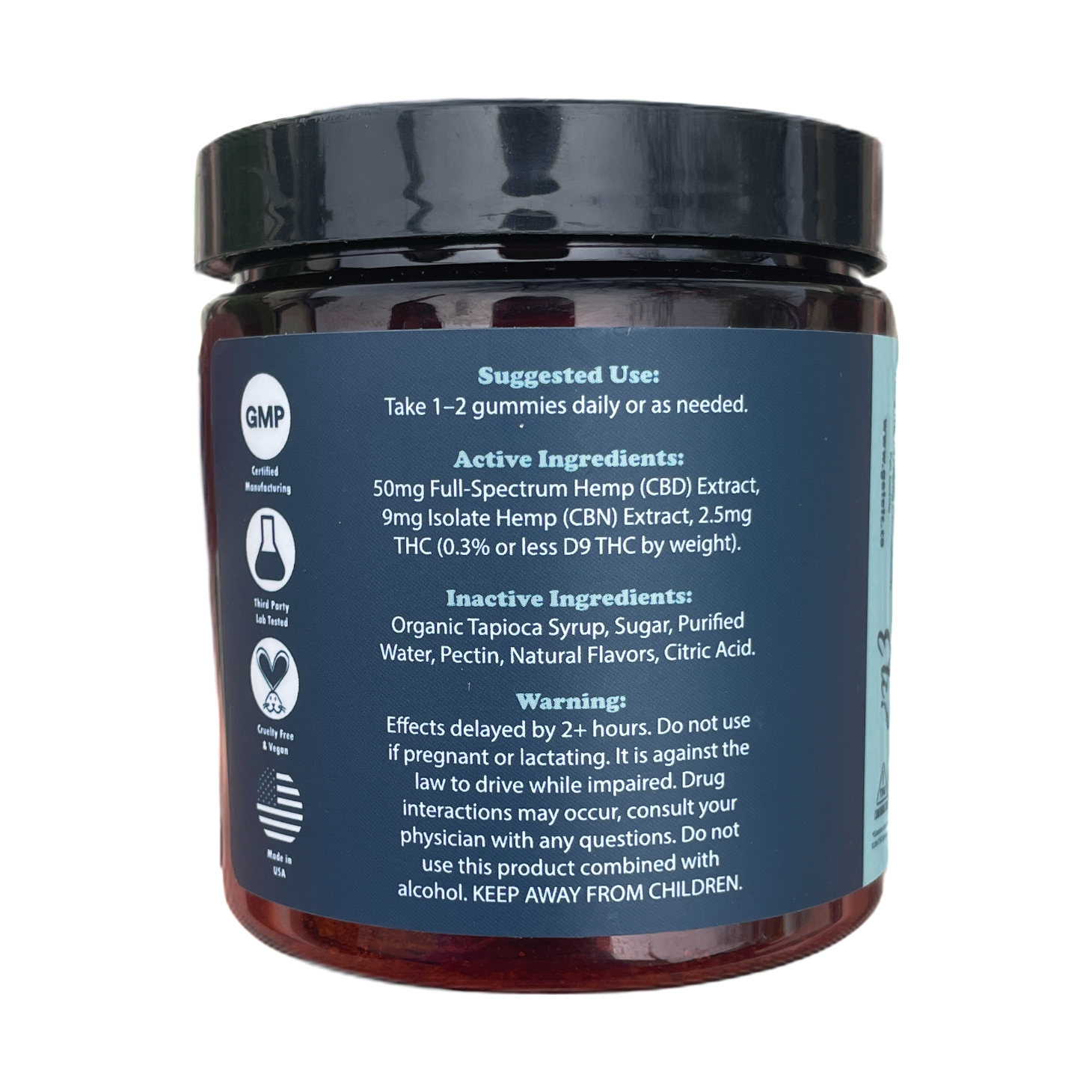
Full-spectrum hemp products formulated for evening, like Good Night softgels, aren’t built to knock you out. They’re designed to lower the ambient noise in your nervous system so that your body’s own sleep mechanisms can do their job. There’s a difference between being sedated and being ready.
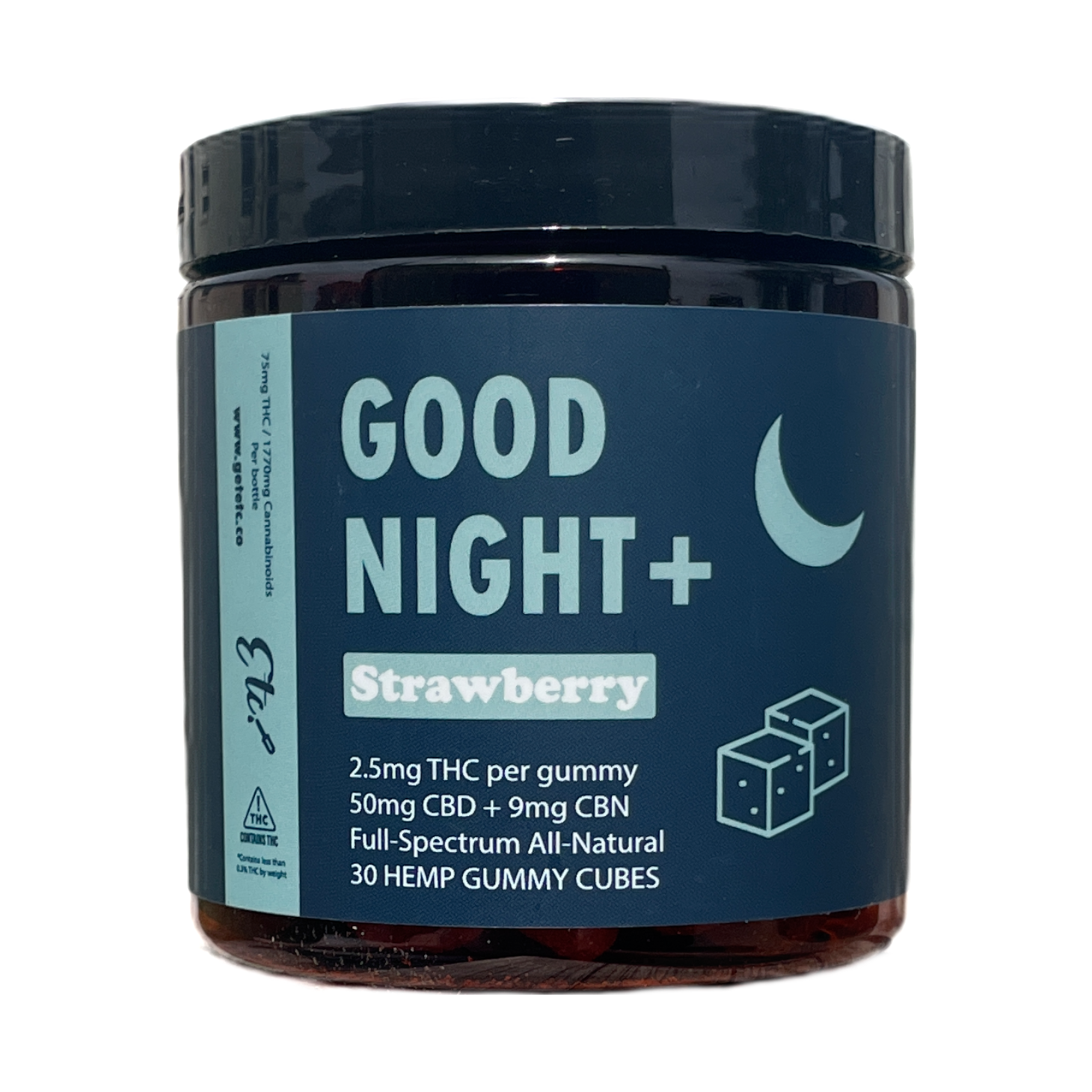
The CBN boost in Good Night is relevant here. CBN is the cannabinoid most associated with the drowsy, wind-down feeling. Paired with CBD and trace amounts of the other plant compounds, it works the way the whole plant works: not one loud signal, but a quiet chorus. Your body, which already produces its own cannabinoids as part of how it manages balance and rhythm, tends to recognize that chorus.
That recognition takes time. Most people notice something in the first week. Some take longer. The consistent thread is that it builds, not spikes.
Consistency Compounds
Here’s what’s true about any sustainable sleep practice: it doesn’t work the same in week one as it does in week six. The habit layer builds underneath you as you keep going.
This isn’t motivational language. It’s just how routines work. The first few nights of a new wind-down ritual, you’re doing it consciously, deliberately. By week three, you’re doing it almost automatically. By week six, your body starts anticipating the cue before you even begin.
That anticipation is the whole point. Your nervous system learns that this sequence of events means sleep is coming. You stop fighting the clock.
Getting off sleep aids, for most people, isn’t one dramatic decision. It’s a series of low-drama evenings where the new thing gradually becomes the thing. The old thing fades not because you wrestled it to the ground, but because you gave it nothing to grip.
The Peace in the Commitment
There’s a particular kind of calm that comes from making a sustainable commitment to something. It’s different from the calm you feel after a good night’s sleep (though that helps too). It’s the quiet confidence of knowing you have a practice, not just a hope.
That’s worth naming, because people moving away from sleep aids often focus on what they’re giving up. The insurance of the thing that worked, more or less, even if the side effects were real. But the other side of that trade is the version of you who doesn’t need to negotiate bedtime anymore. Who isn’t calculating how late you can take something or whether you took too much or whether tomorrow will be rough because tonight was.
A routine that costs less, works with your body’s own rhythms, and compounds over time isn’t just a wellness strategy. It’s a form of self-respect. You’re betting on a version of yourself that doesn’t need the crutch, and then building toward that version one ordinary evening at a time.
A Few Practical Notes
If you’re considering adding a hemp evening product to a transition routine:
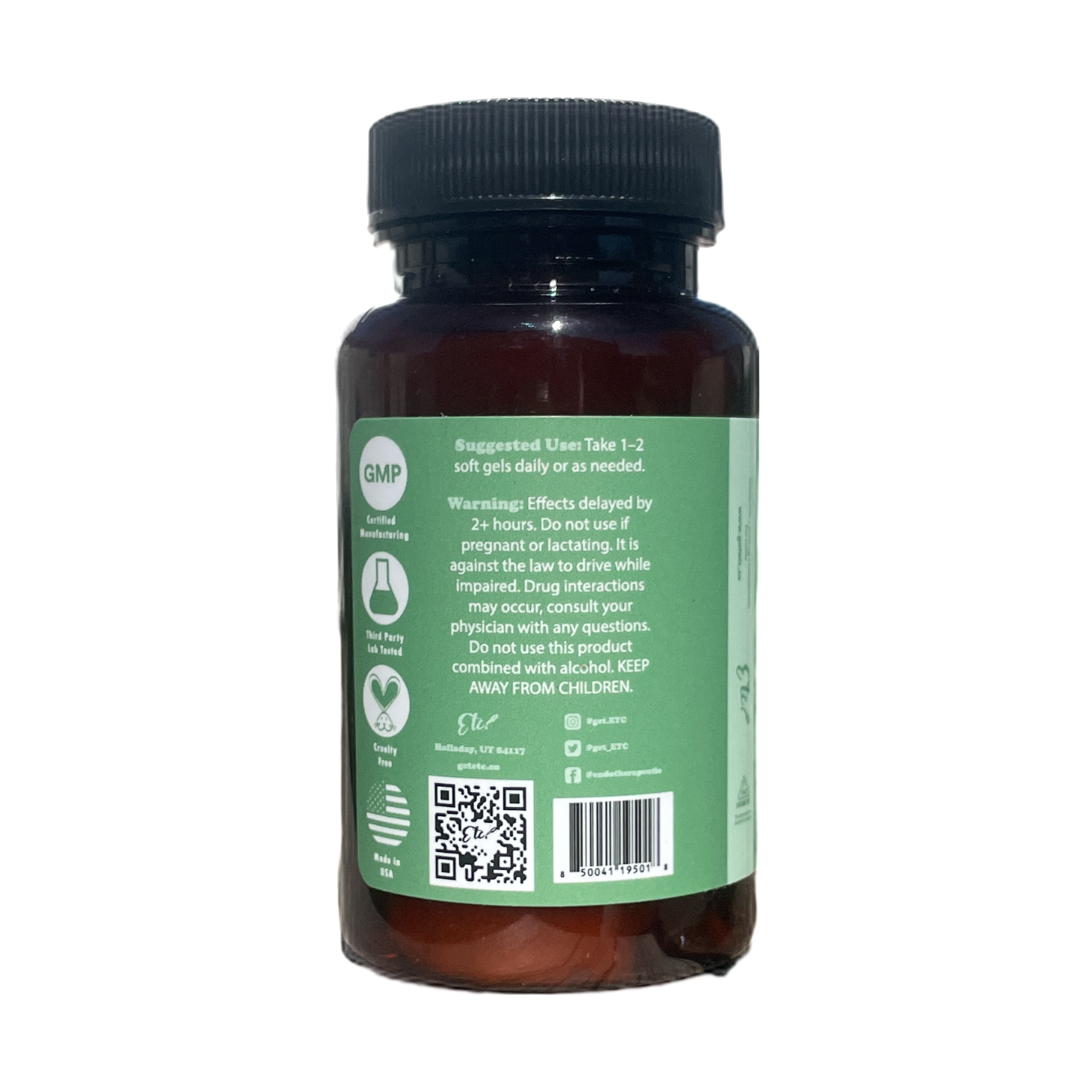
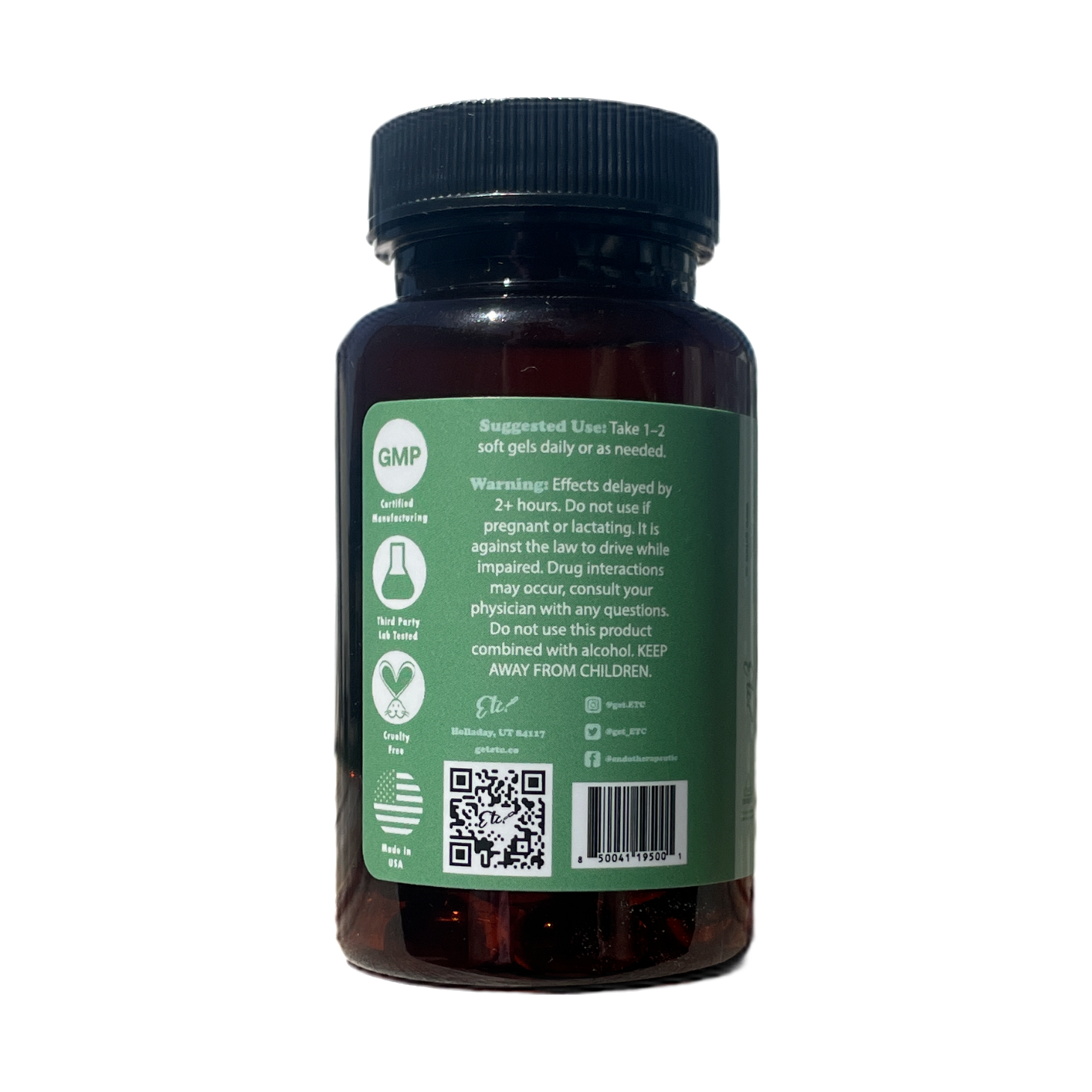
- Start with the lowest serving size. Effects arrive in 30 to 90 minutes, sometimes up to two hours. Don’t double up because you don’t feel it immediately.
- Take it as part of a wind-down sequence, not as a standalone sleep command. Pair it with dimmed light, something calm, no screens if you can manage it.
- If you’re on any medications, talk to your doctor first. Cannabinoids are metabolized by the liver and can interact with certain prescriptions.
- Give it time. The first week is data. The third week is pattern. The sixth week is yours.
Good Night softgels are a practical starting point for people who want the same formula without any taste or fanfare. Browse the Good Night line here and check the COA for every batch at reliefetc.com/pages/coa if you want to see exactly what you’re getting.
Bedtime doesn’t have to be a negotiation you’re always losing. Sometimes the path back to trusting your own sleep is just building something consistent, affordable, and genuinely yours.
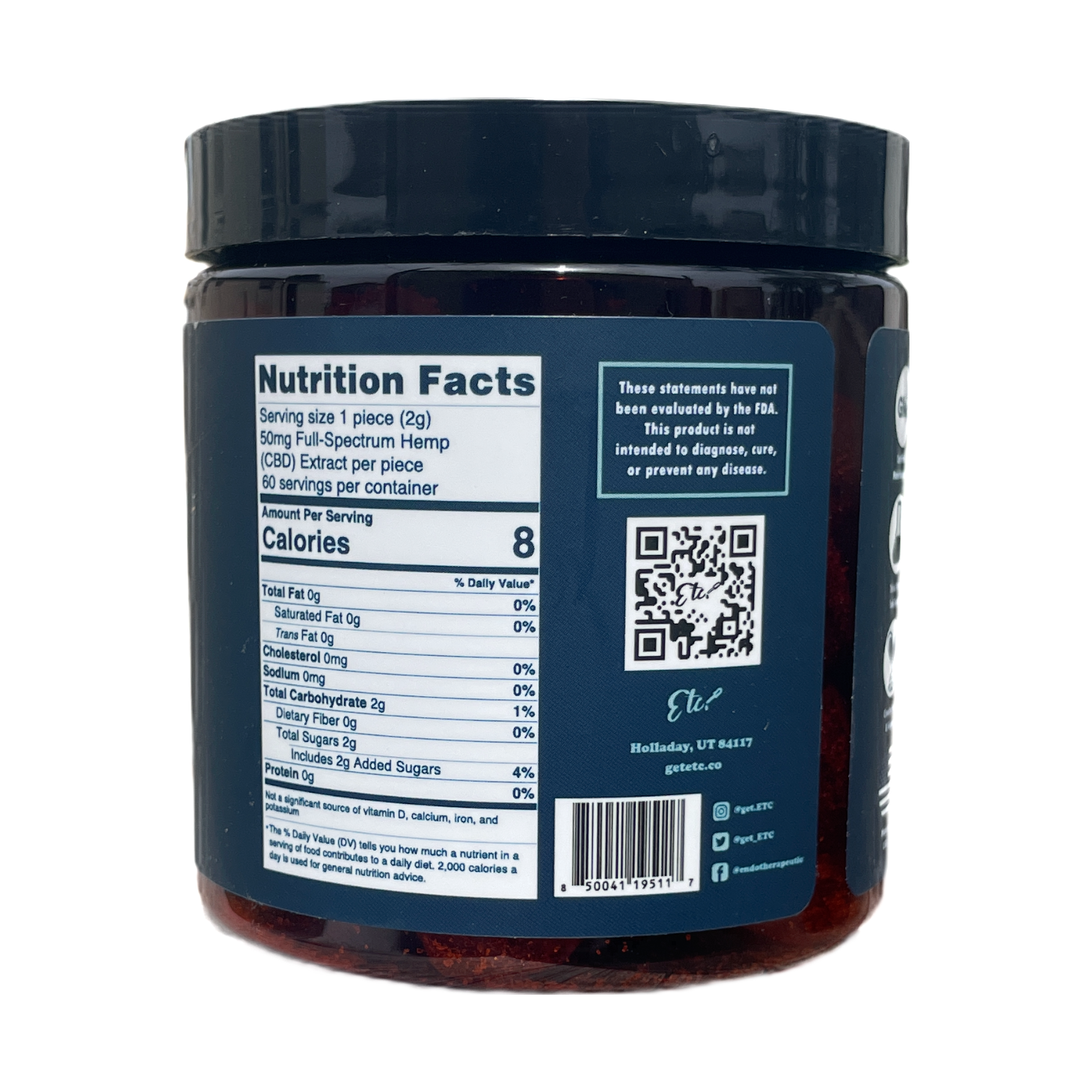
Disclaimer: These statements have not been evaluated by the Food and Drug Administration. This product is not intended to diagnose, treat, cure, or prevent any disease. Consult your healthcare provider before starting any new wellness regimen.
Photo by Diego Lozano on Unsplash