




The Quiet Confidence of Feeling At Home in Yourself
It’s a Tuesday evening, somewhere around 6:30. You’ve just walked through the door after a day that didn’t go exactly how you planned. Someone said something that landed sideways. You replayed it in the car. By the time you set your bag down, you’re only halfway home.
You pour a glass of water. You notice you’re still carrying it.
That gap, between the moment you’re in and the version of yourself who’s actually present for it, is familiar to a lot of us. It doesn’t announce itself as a big problem. It just shows up quietly, in the way you half-listen to the person across from you, or the way you feel slightly out of reach of your own evening.
What would it feel like to close that gap a little more often?
Being Present Isn’t a Personality Trait
There’s a story we tell about social confidence. We tend to imagine it lives in the loudest person in the room: the one with the quick comeback, the easy laugh, the fully formed opinion on everything. But that version of confidence is mostly a performance, and performances are exhausting to maintain.
Real social confidence is quieter. It’s sitting in a conversation without running mental commentary about how you’re coming across. It’s being able to disagree without your whole body tensing up. It’s staying curious about the person in front of you instead of waiting for your turn to talk.
That kind of presence isn’t something you perform. It’s something you return to, over and over, when you’ve made enough room for it.
Showing Up Whole
“Showing up whole” sounds like something on a motivational poster, so let’s make it concrete.
When you show up whole, you’re not splitting your attention between who you actually are and who you think you should be. You’re not managing a gap between the version of yourself that feels settled and the version running the conversation. You’re just… there. Engaged. Able to be moved by something funny, or honest, or unexpected, without catching yourself first.
This is partly a practice. It’s built in the ordinary moments, not the big ones: the Tuesday evening when you choose to set the replayed conversation down, the morning when you don’t rush through the first hour, the night when you actually sleep instead of hovering somewhere near it.
And it’s partly about what your nervous system is doing underneath all of it.
The System You’re Already Using
Your body has a built-in mechanism for returning to balance. It’s called the endocannabinoid system (ECS), and it’s present in every mammal on earth, including you. Your body naturally produces cannabinoids. The ECS is involved in regulating mood, sleep, and a general sense of equilibrium: the felt experience of being okay.
When life applies consistent pressure, that system can fall behind. Not dramatically. Just enough that the reset takes longer, and the gap between “technically fine” and “actually present” grows.
Full-spectrum hemp works with the ECS because the cannabinoids in the plant are chemically similar to the ones your body already makes. You’re not introducing something foreign. You’re supplementing a system that’s already yours. When that system has what it needs, returning to yourself becomes a little less effortful.
That’s not a magic claim. It’s a direction. And for people who’ve built a consistent routine around it, the difference tends to show up in exactly the places you’d want: patience with the people you love, engagement with the moments you’re actually in, less time spent in the parking lot of your own head.
The Transparency That Makes Trust Real
Part of what makes it possible to relax into a wellness routine is actually knowing what’s in it.
This might sound obvious, but it matters more than most product conversations acknowledge. When you trust what you’re putting in your body, you don’t have to wonder. You’re not adding a background question to your already-full internal monologue. The choice stays settled, and that settledness is its own small form of confidence.
Every ETC product comes with a publicly available certificate of analysis, third-party tested, so the label matches what’s actually inside. In our own 8-week observational study, participants reported an average 30% improvement in overall wellbeing. Mood showed the largest total gain across the full eight weeks. That kind of result doesn’t happen from a single good night. It happens from showing up consistently and trusting what you’re reaching for.
That trust is quiet. It doesn’t need to advertise itself. But it’s the foundation that lets everything else work.
How This Plays Out on a Tuesday
Back to 6:30. You set your bag down.
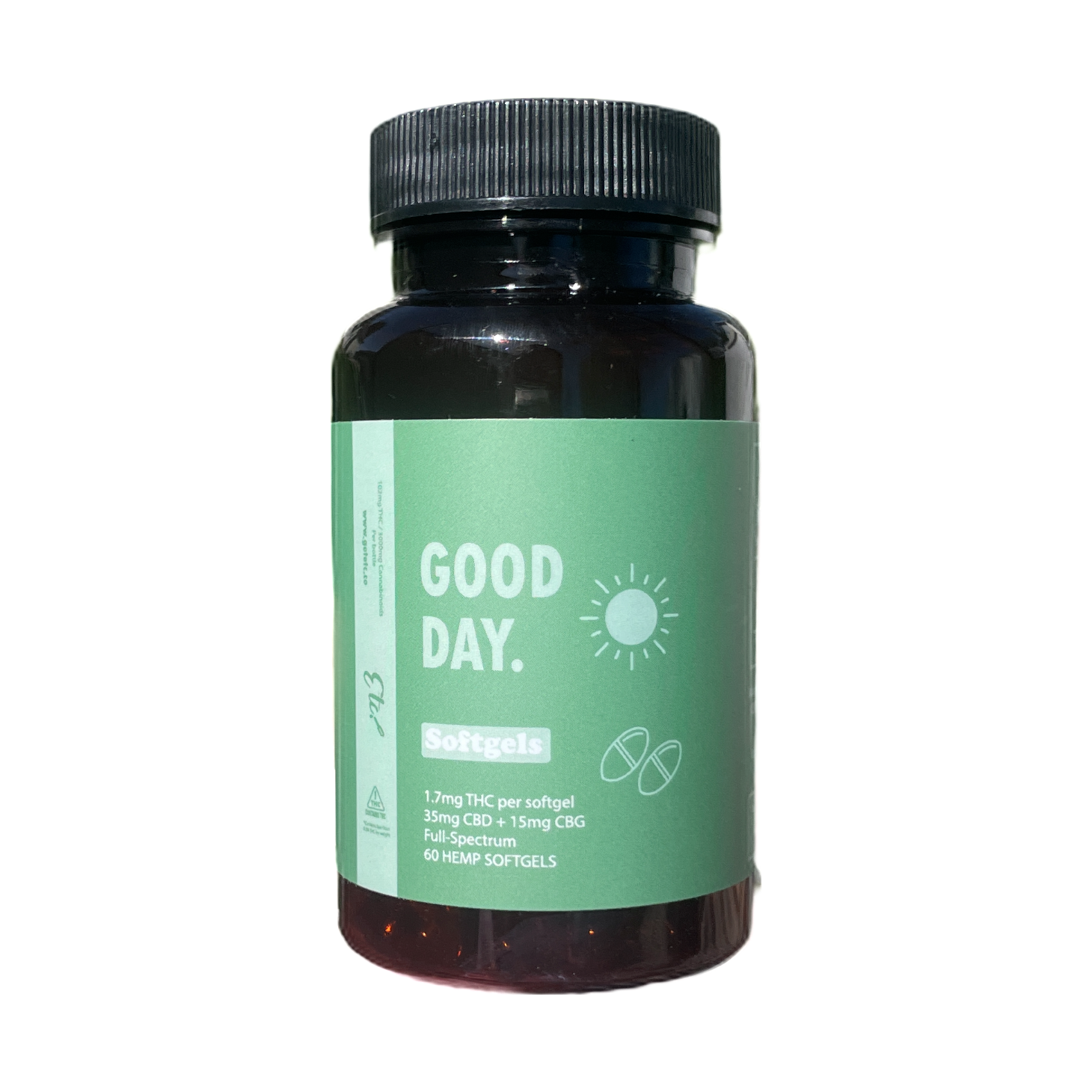
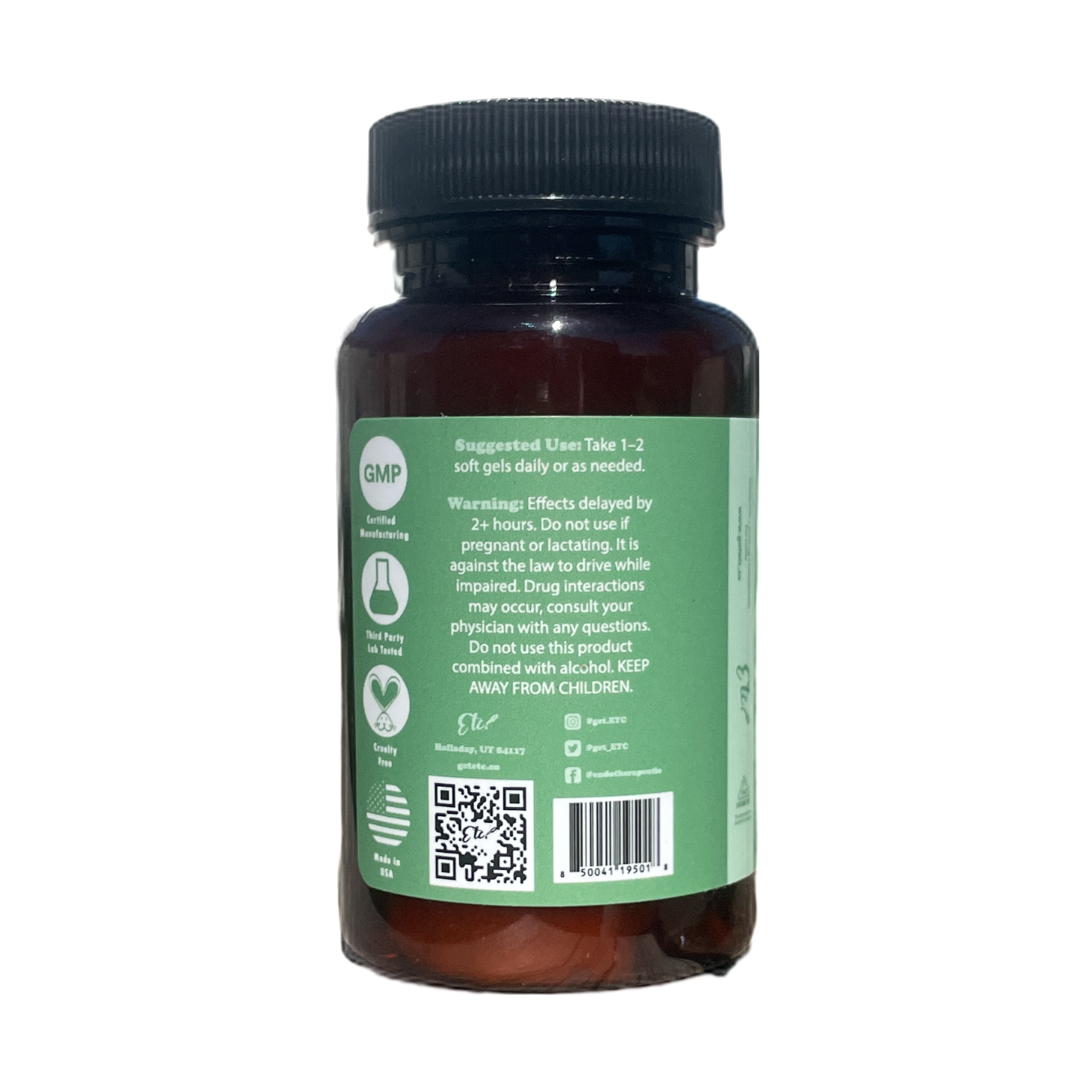
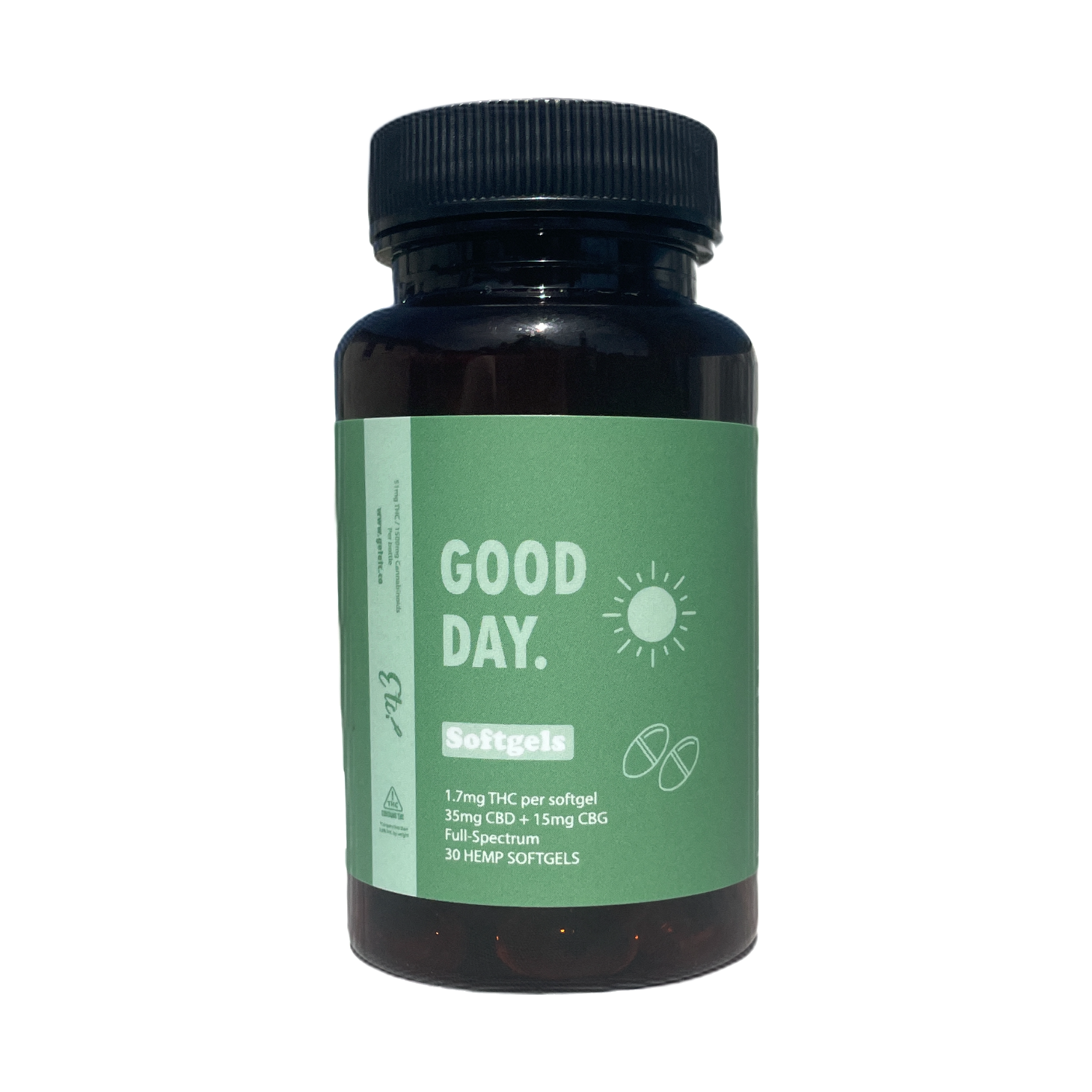
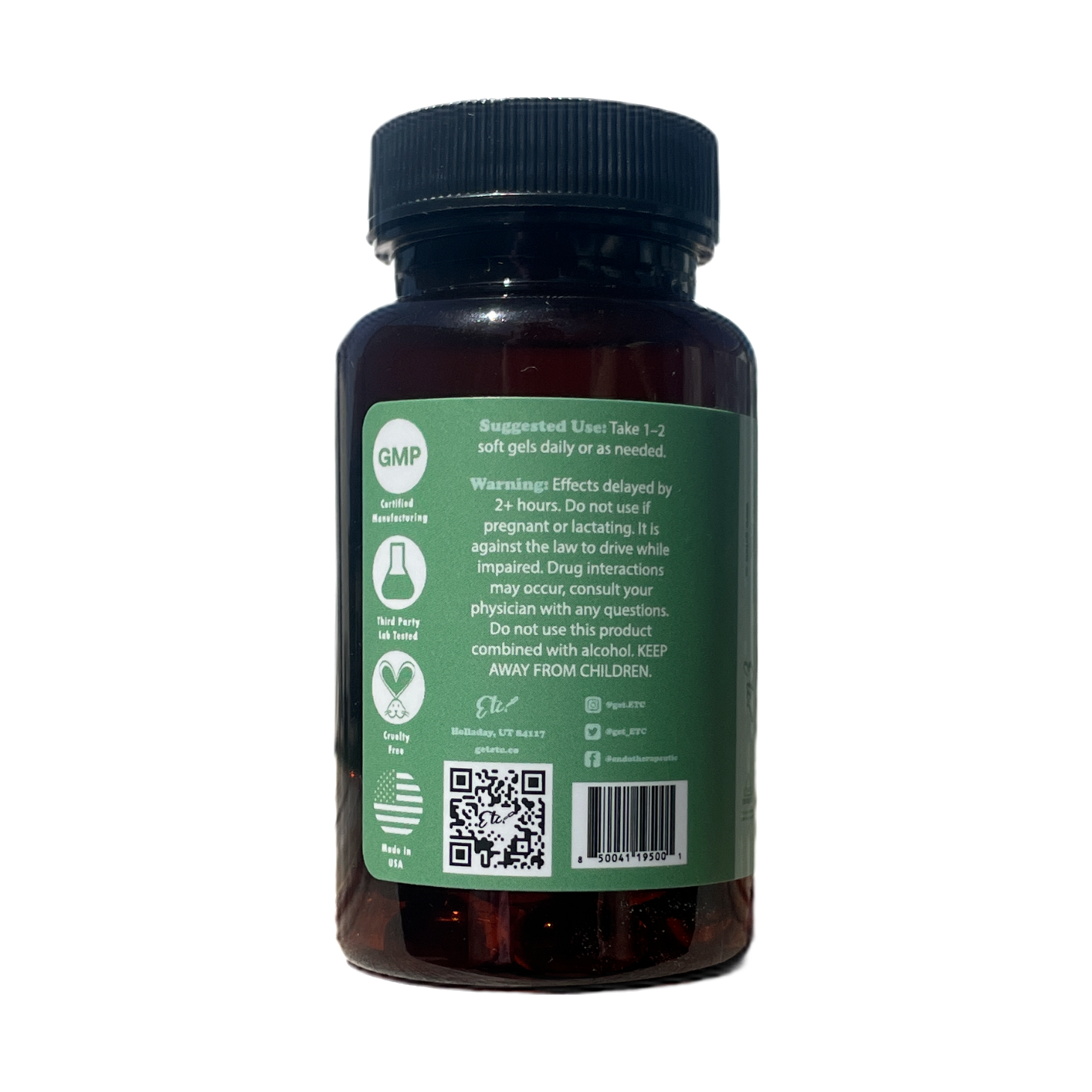
Maybe you’ve already taken your Good Day softgel that morning, or maybe you’re thinking about what your evening looks like. Either way, the goal isn’t to feel like a different person. It’s to feel like yourself, but with a little more bandwidth. The patience you actually have, instead of the performance of patience. The curiosity you have for the people you care about, instead of the half-distracted version.
Being at home in yourself doesn’t mean everything is resolved. It means you’re not fighting yourself about it. You can hold the thing that happened today without letting it run the whole evening.
That’s the payoff. Not the certificate of analysis. Not the cannabinoid profile. Those things earn the trust. But the trust is just the door. What’s on the other side is showing up for your own life in a way that feels like you chose to be there.
One Step That’s Actually Small
If you’re looking for a place to start, the simplest version is also the most sustainable: pick a time, pick a format, and keep it consistent for a few weeks before you evaluate anything.
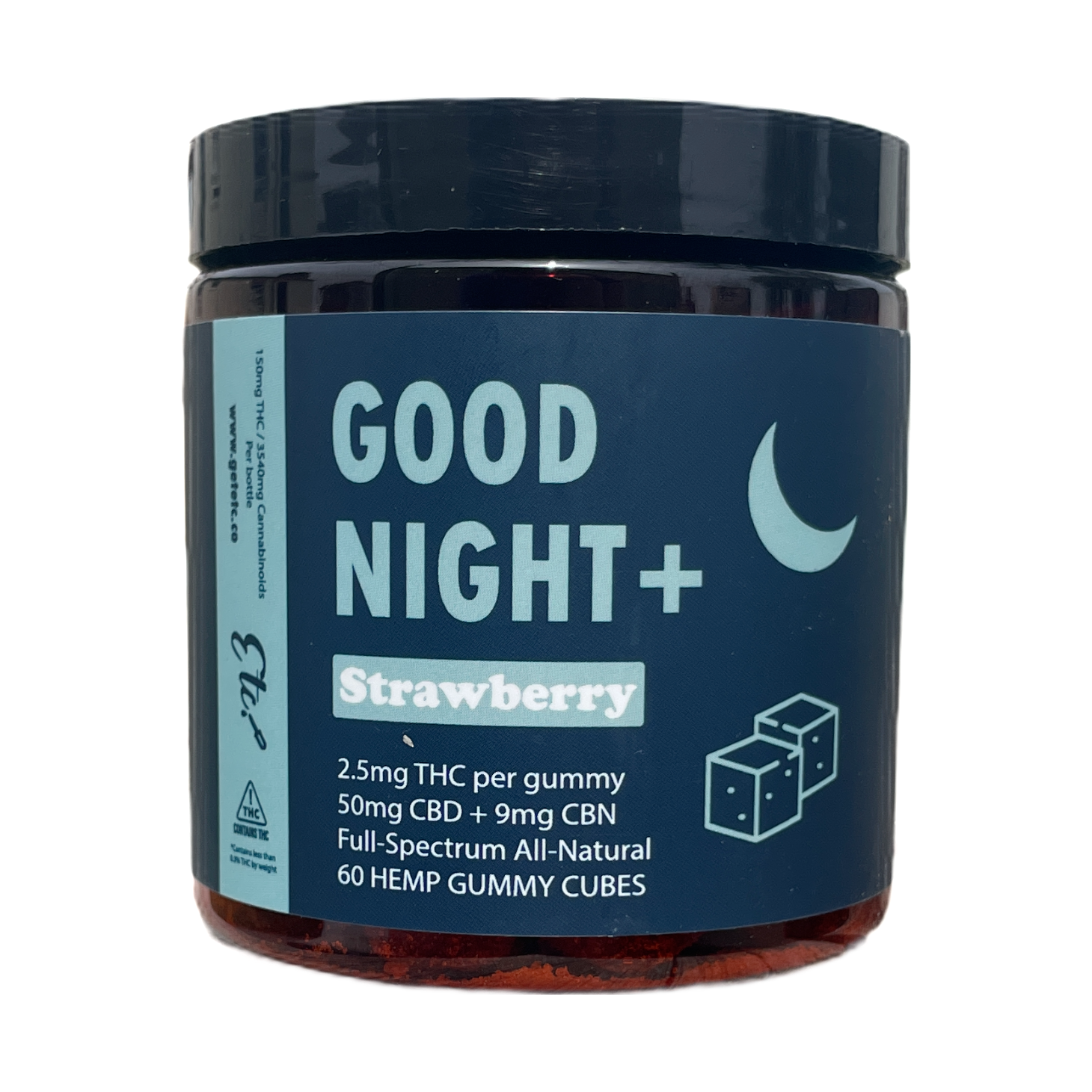
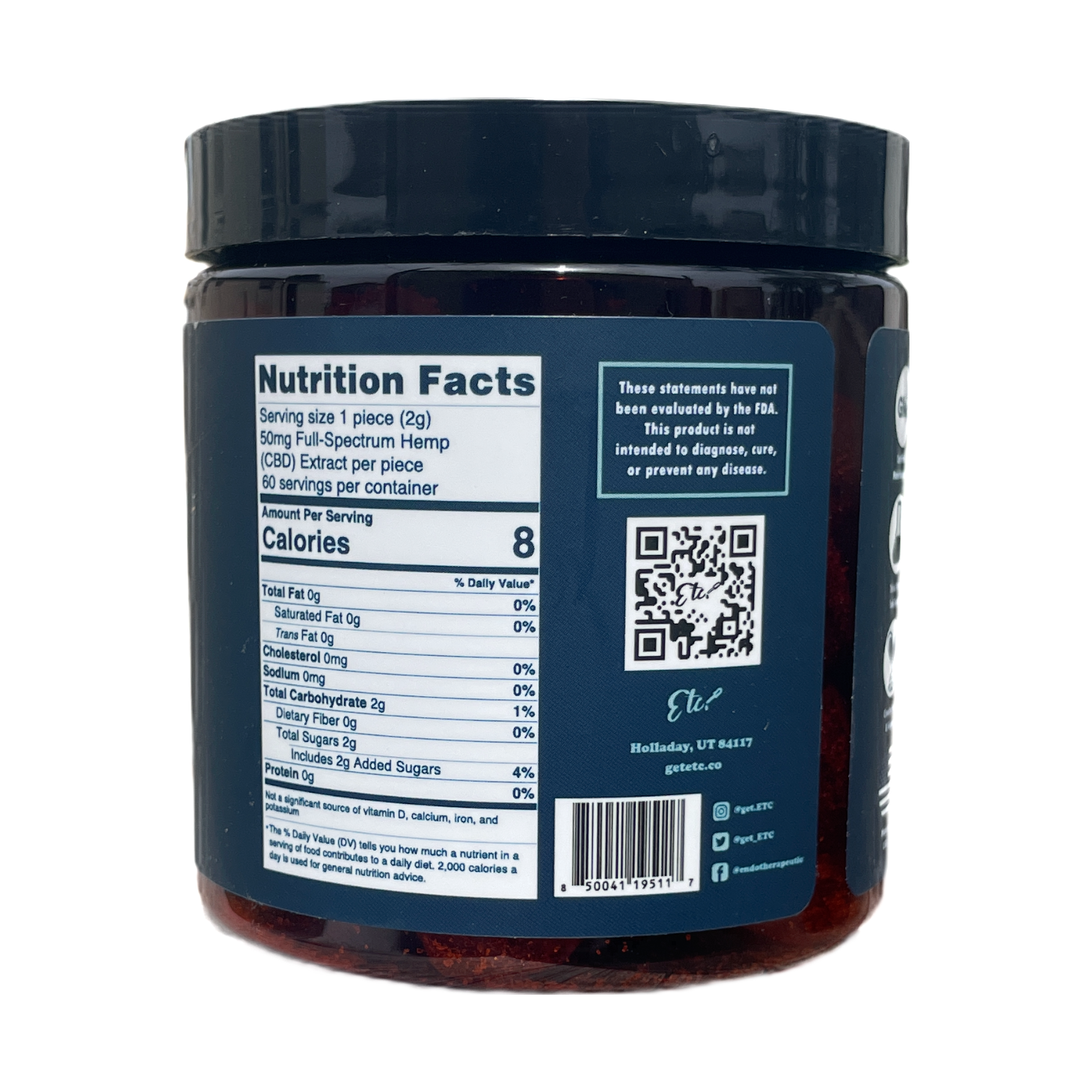
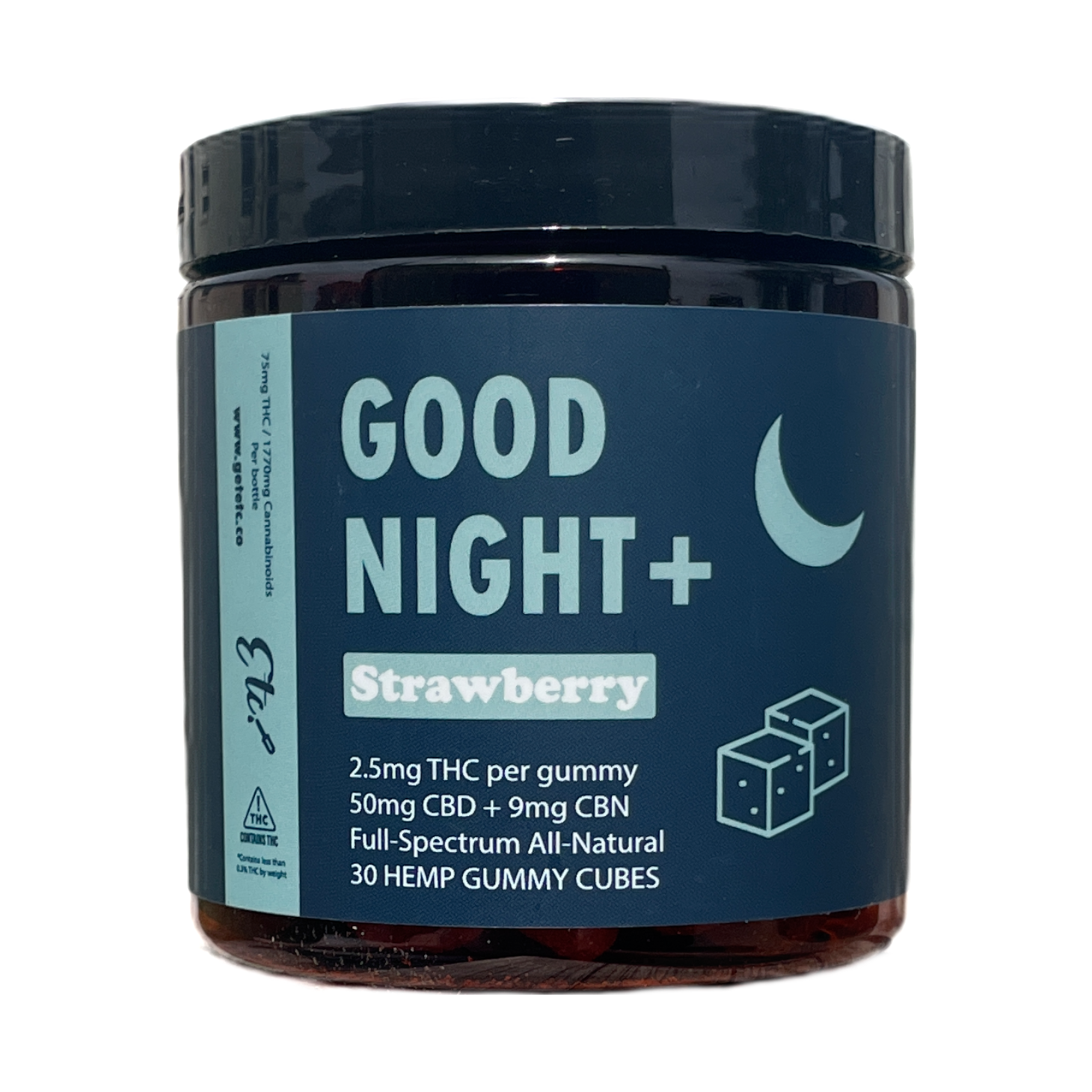
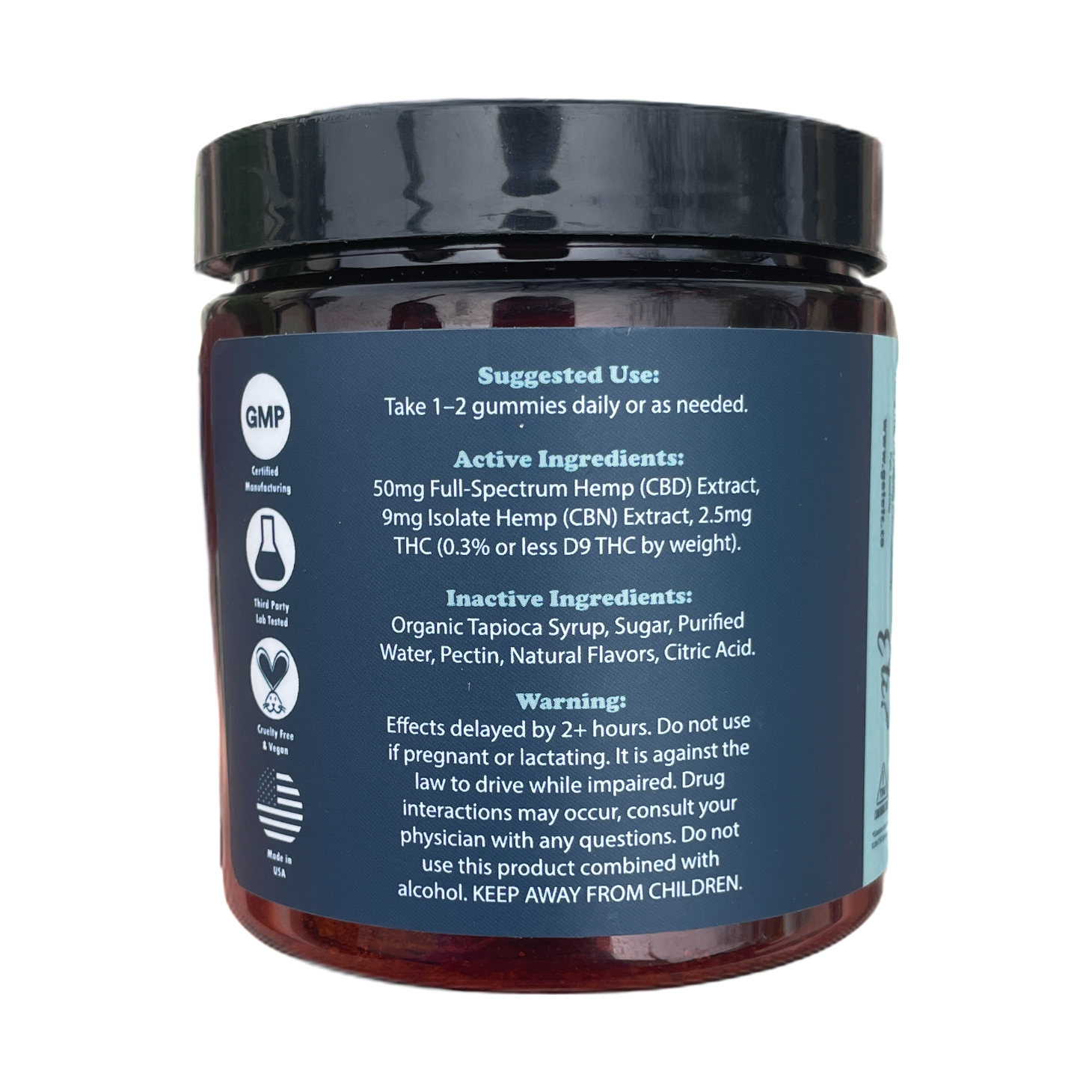
Good Day in the morning, Good Night in the evening. Softgels if you want simple and tasteless. Gummies if you want something that feels a little more like a ritual.
The format is less important than the consistency. And consistency, it turns out, is how you build the kind of quiet confidence that doesn’t need to prove itself to anyone, including you.
Disclaimer: These statements have not been evaluated by the Food and Drug Administration. This product is not intended to diagnose, treat, cure, or prevent any disease. Consult your healthcare provider before starting any new wellness regimen.
Photo by Mike Setchell on Unsplash