




The Evening Habit That Makes Bedtime Feel Less Rushed
The belief goes something like this: a good evening routine requires time you don’t have. A long bath, a screen-free hour, maybe some journaling. Real wind-down rituals are for people without kids or deadlines or dishes in the sink. For everyone else, bedtime is just whenever you finally stop.
That’s not a pessimistic take. It’s just honest. And it’s also, quietly, wrong.
Not because you can do it all. But because the version of an evening routine that actually sticks isn’t long or elaborate. It’s small, it’s consistent, and it costs you about thirty seconds.
The Thing About Bedtime Feeling Rushed
When the end of the day feels like a crash landing, it’s usually not because the day was too long. It’s because there was no signal. No moment where your body got the message that the day was actually over. You went from doing things to trying to sleep, and your nervous system didn’t get the memo.
That gap, between the end of your day and the beginning of real rest, is exactly where a small ritual earns its keep.
Not a ritual that requires prep or planning. A ritual that you can do tonight, and tomorrow night, and the night after that without thinking. Something that costs you nothing except the five minutes you were probably already spending staring at your phone.
Why Consistency Beats Complexity
There’s a version of self-care that looks great on a wellness blog and falls apart by Thursday. And then there’s the kind that actually becomes part of who you are. The difference isn’t motivation. It’s friction.
The easier something is to do, the more nights you do it. The more nights you do it, the more your mind and body start to associate that thing with what comes next. It becomes less of a decision and more of a cue. And cues are what actually change how you feel over time.
This is why a softgel or a gummy taken at the same time each evening can become surprisingly meaningful. Not because the act is dramatic. Because it isn’t. It’s repeatable. Low-friction. Yours.
People who build consistent evening routines tend to report something similar after a few weeks: it’s not that one night felt wildly different. It’s that the accumulated effect of showing up for themselves quietly, reliably, started to feel like something. Like choosing their own rest instead of just falling into it.
That’s a different feeling than you might expect. Less about any single night and more about a kind of confidence that comes from keeping a small promise to yourself, over and over.
What Good Night Actually Does in a Routine Like This
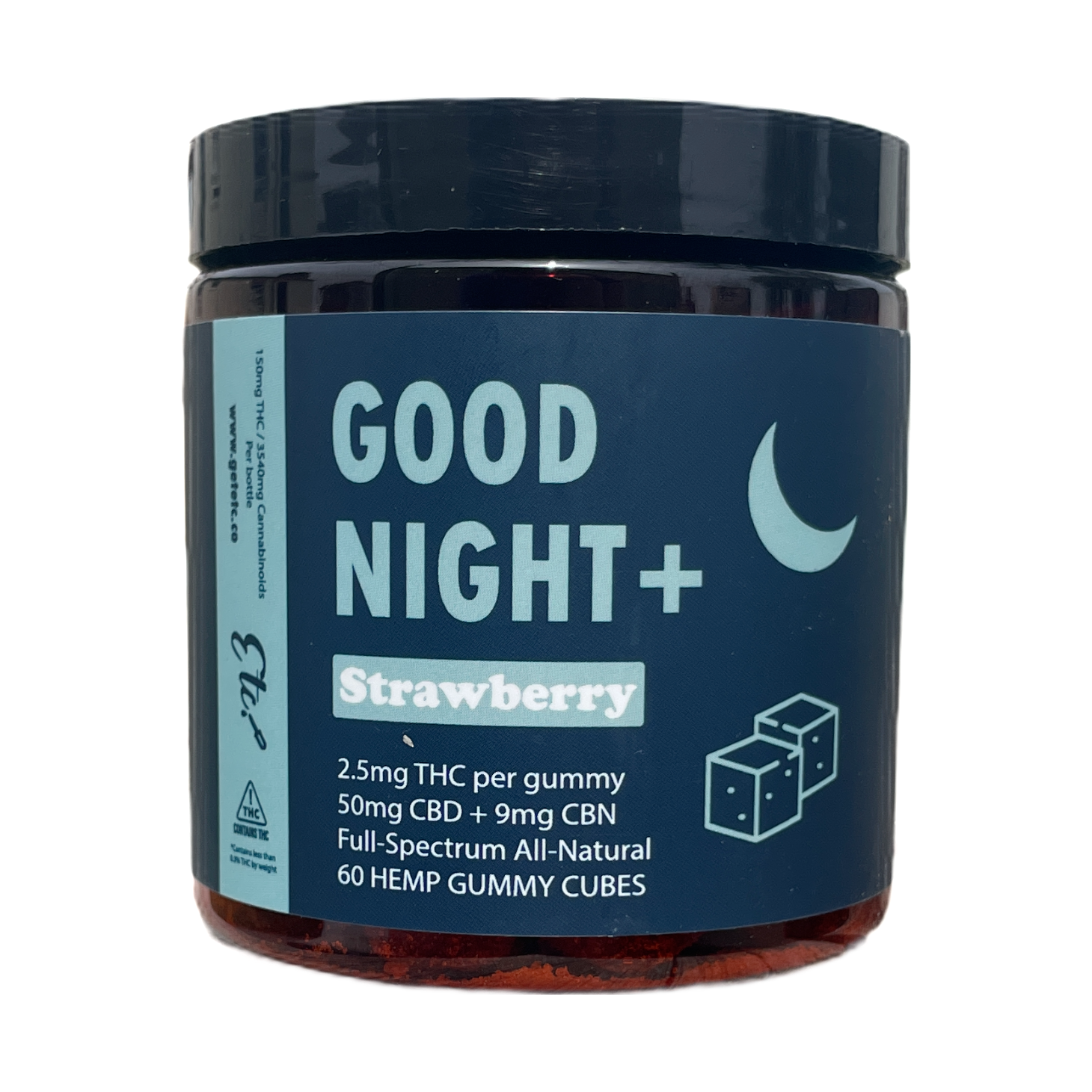
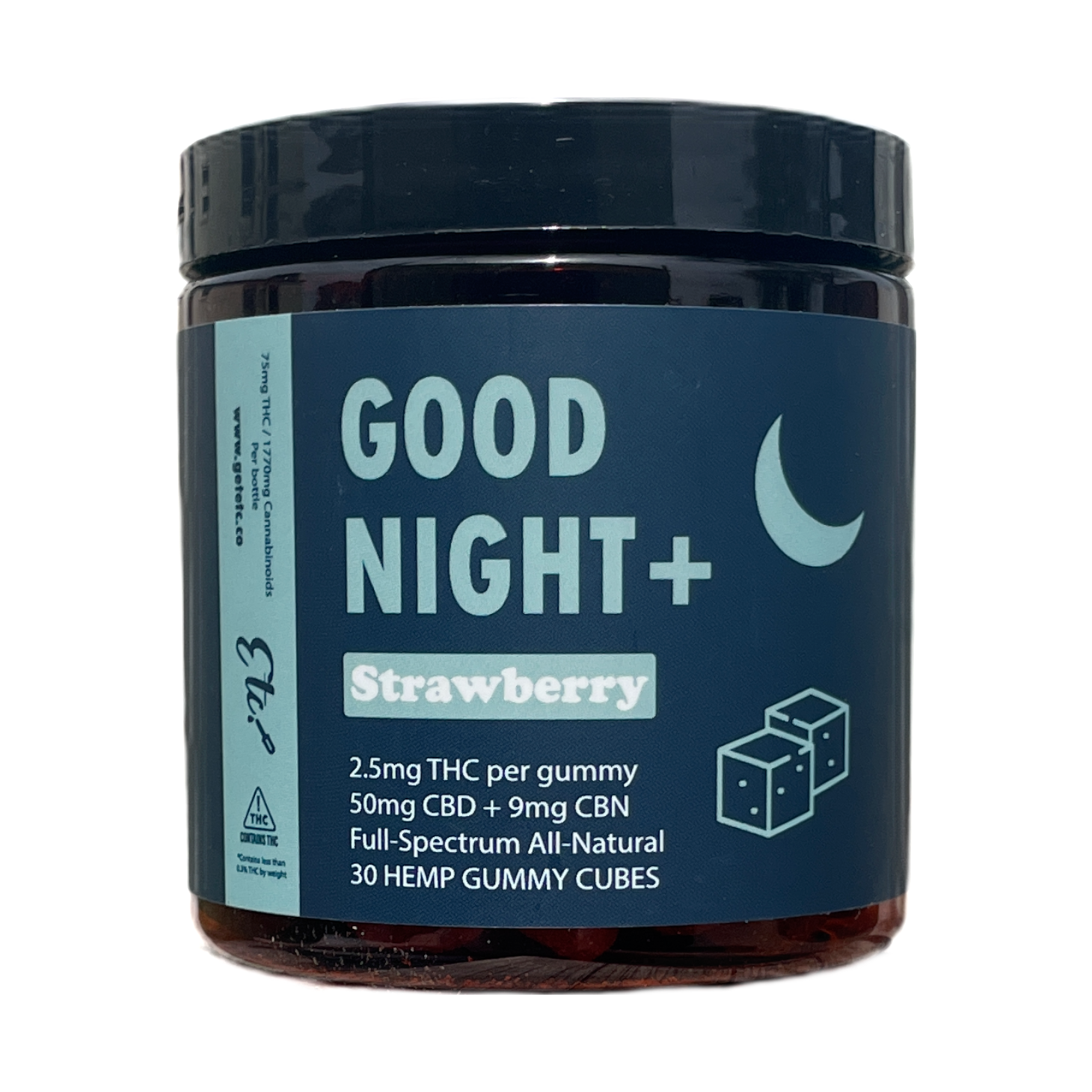
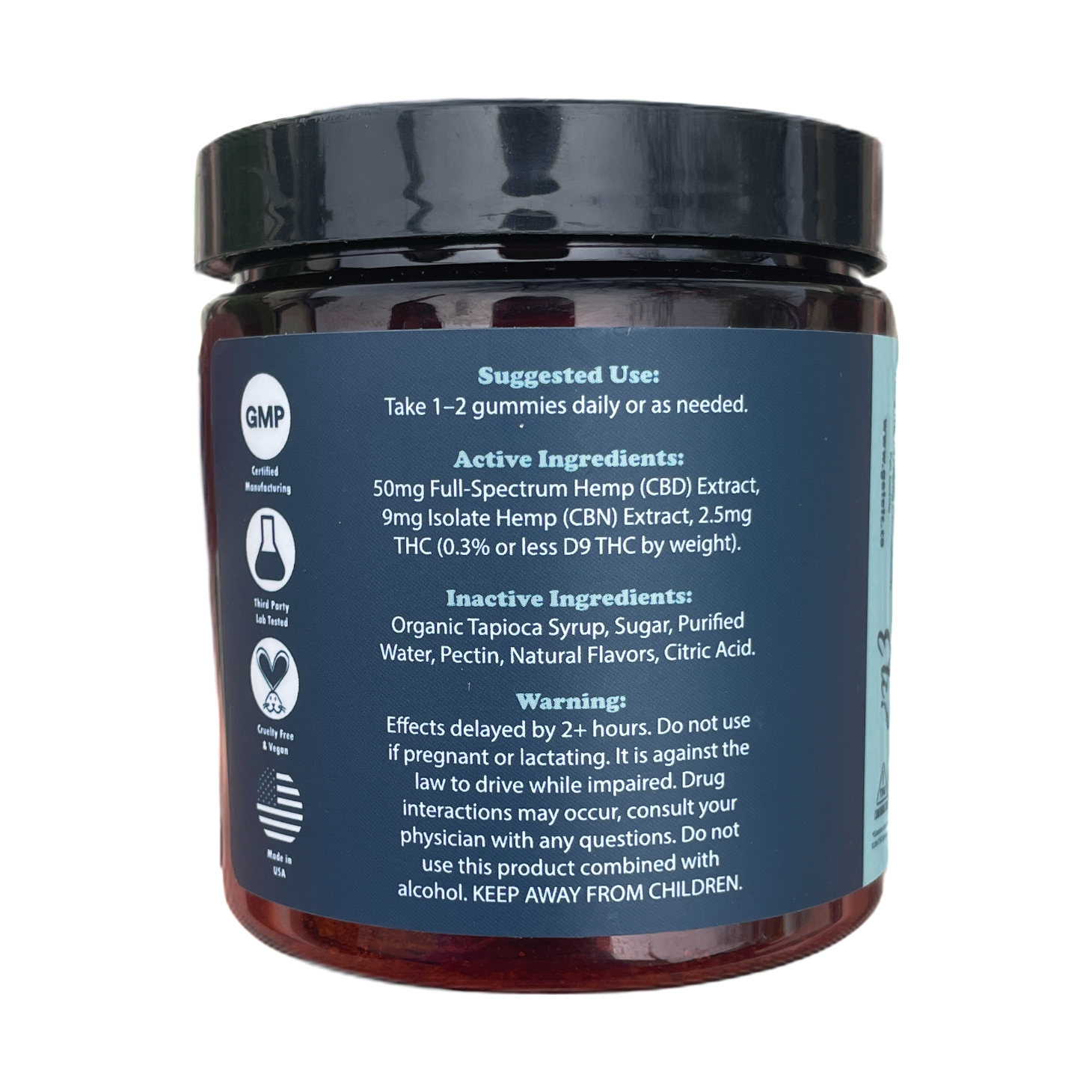
Good Night is built for exactly this use case. It’s a full-spectrum hemp formula with boosted CBN, a cannabinoid that’s associated with evening relaxation and the kind of calm that makes winding down feel less like a battle.
Because effects set in over 30 to 90 minutes, taking it before you start your wind-down (not right as you’re climbing into bed) gives it room to work with you rather than behind you. You take it. You do the dishes. You check in with whoever needs checking in with. By the time you’re actually ready to sleep, things have shifted.
That timing matters more than people expect. It’s one of the small adjustments that turns a product into a practice.
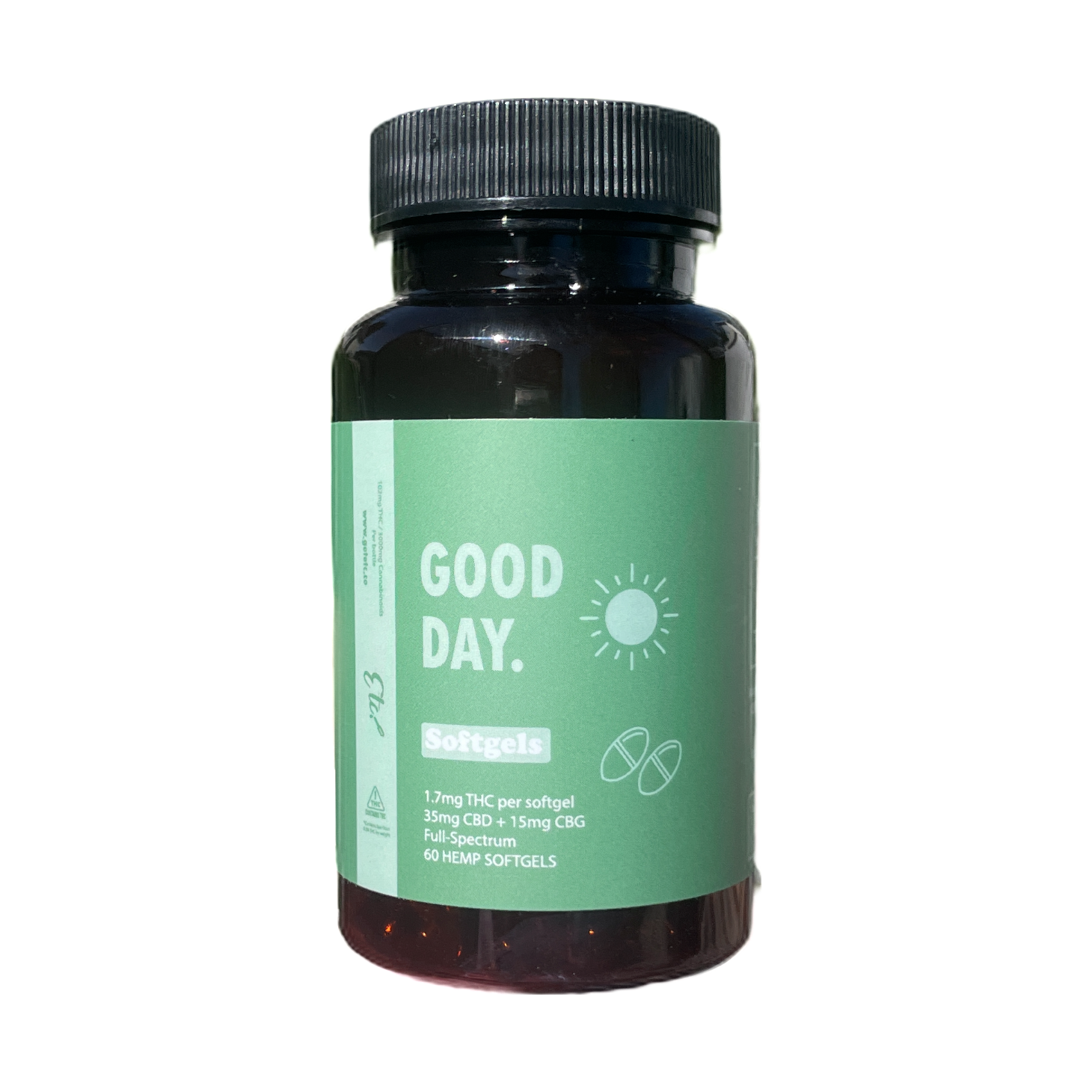
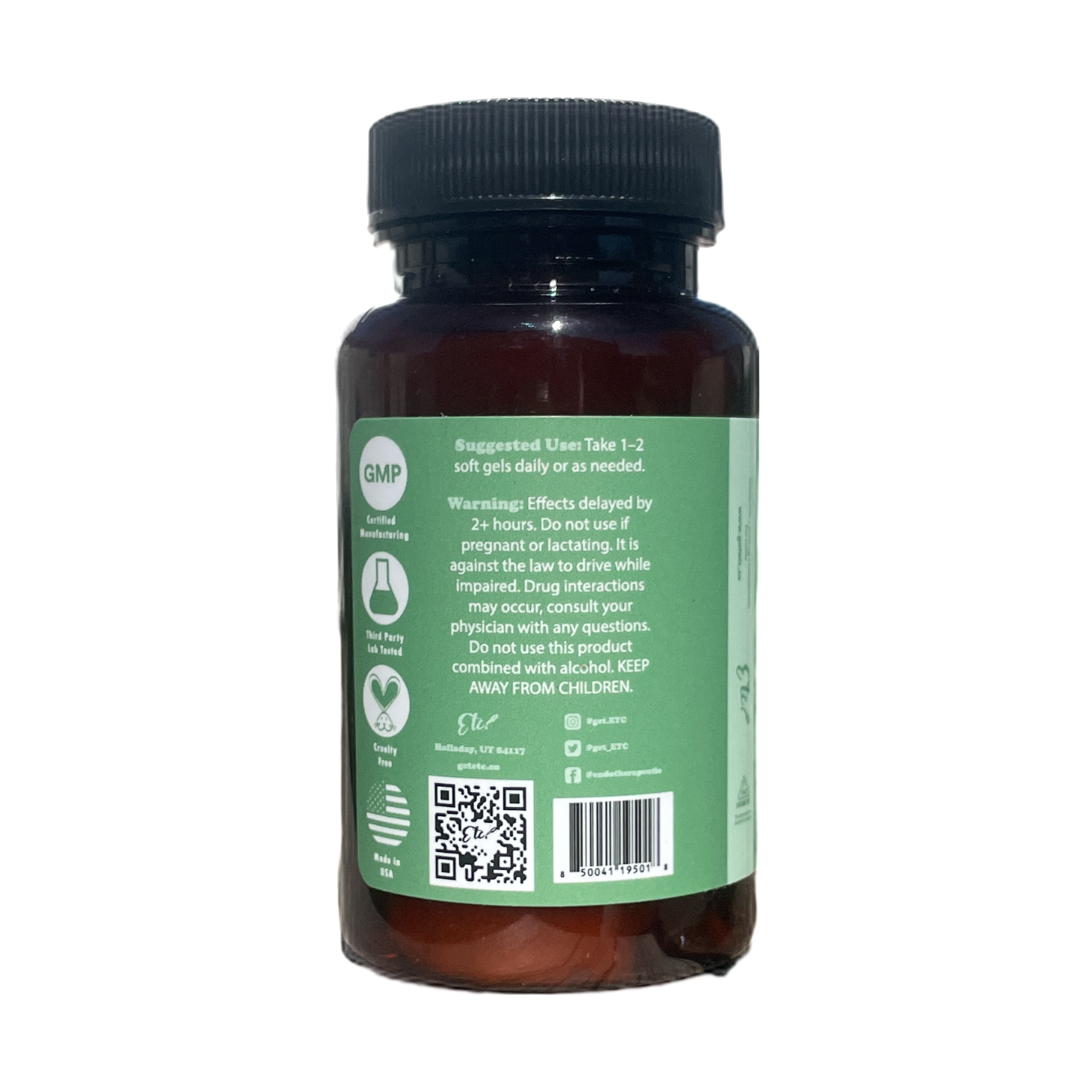
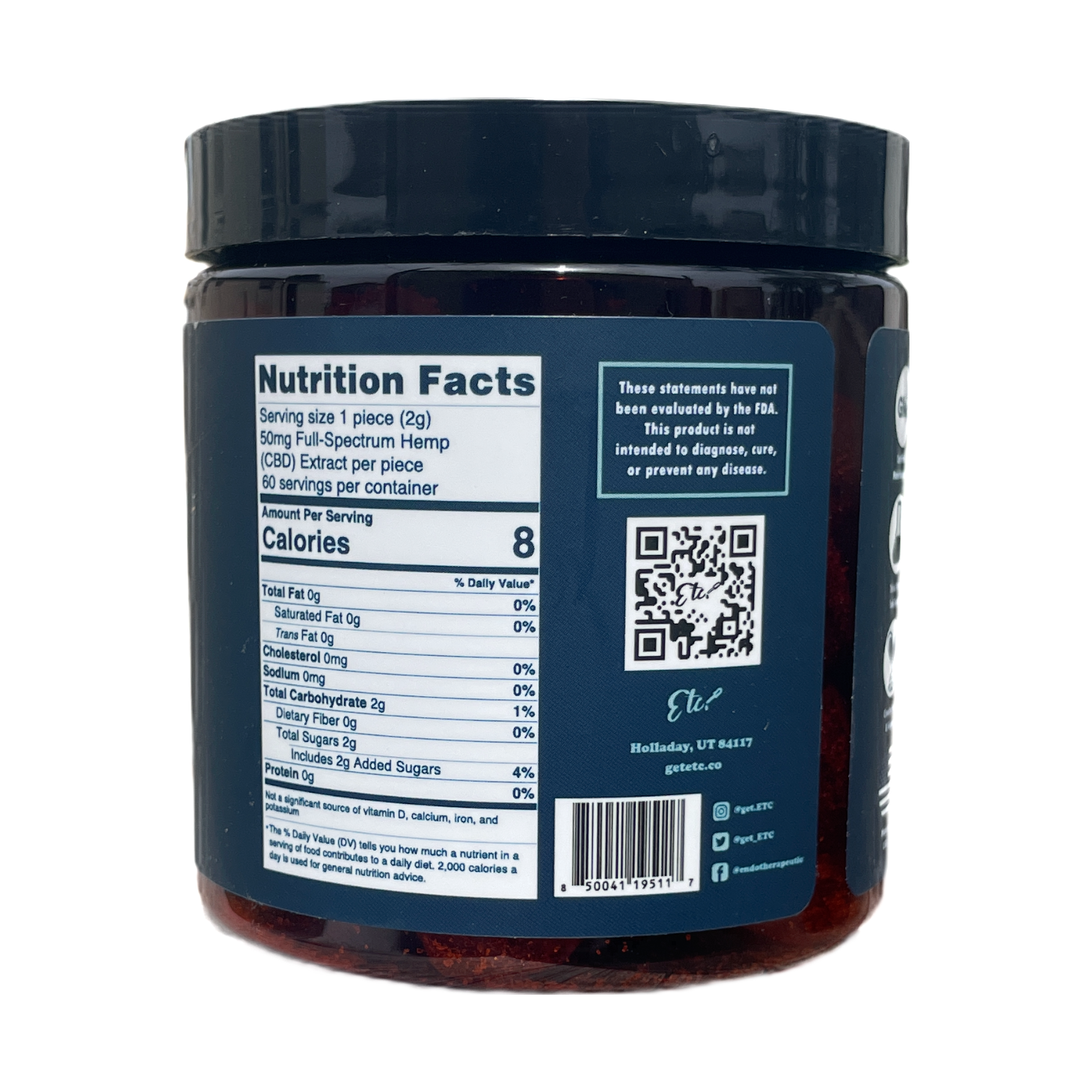
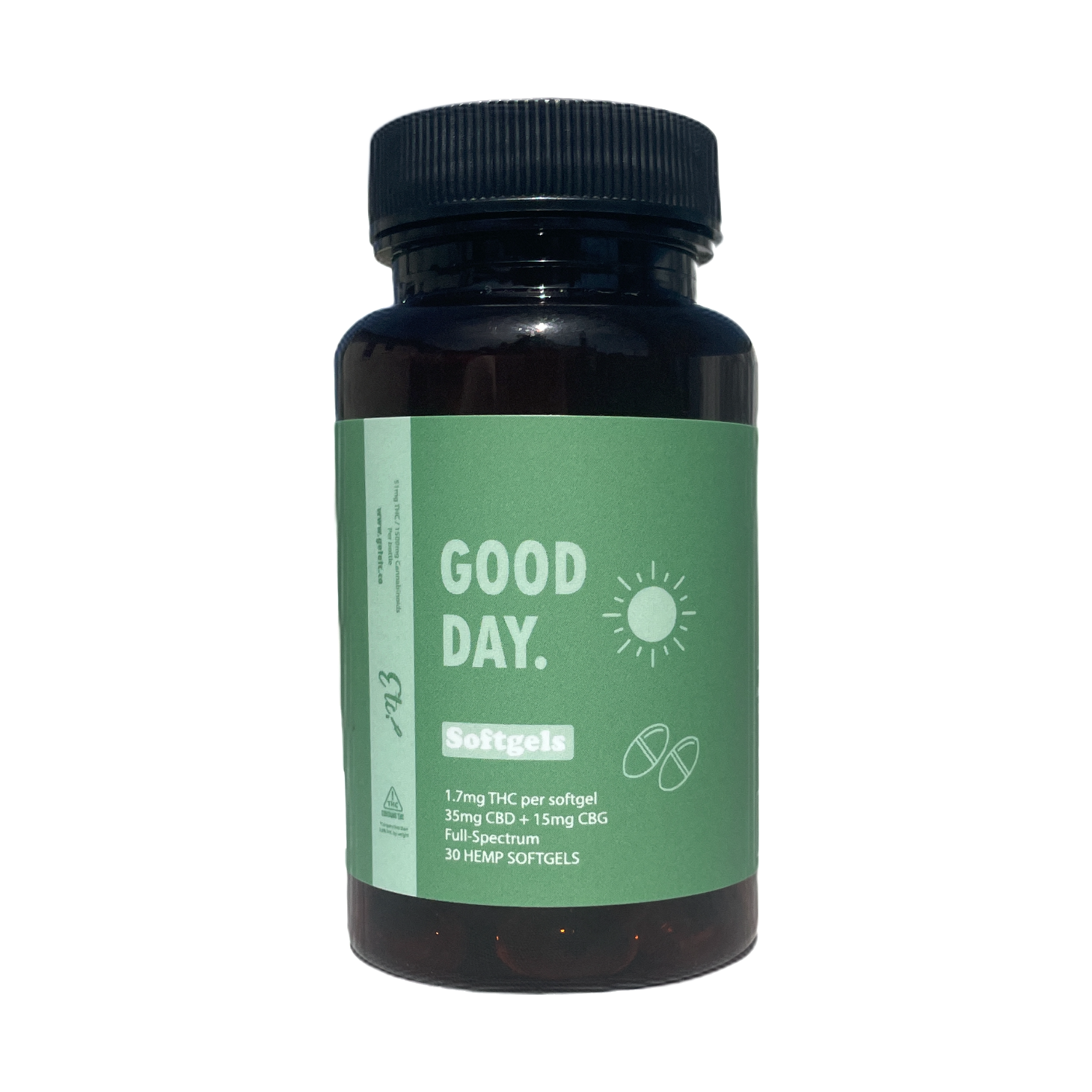
Good Night comes in softgels and gummies, both in the same formula. Softgels are tasteless and take about five seconds. Gummies are vegan, made with real fruit, and feel a little more like a ritual if you want that. Either way, you’re looking at roughly a dollar or two per dose on a 60-count, which makes the math easy: this is not an expensive habit. It’s one of the more affordable ways to invest in your own rest.
Building Something That’s Actually Sustainable
The goal here isn’t to optimize your evenings. It’s to stop abandoning them.
A sustainable evening habit doesn’t look like a wellness influencer’s nighttime routine. It looks like something you actually do. Something small enough that skipping it would feel stranger than doing it. Something that belongs to you.
Taking Good Night is one piece of that. The ritual around it is another. Maybe it’s reading for ten minutes after. Maybe it’s dimming the lights. Maybe it’s just the act of putting your phone face-down and staying there.
None of that requires willpower after a long day. It just requires a starting point. Something that says: the doing is done, and now it’s time for you.
That shift, from crashing into bed to choosing rest, is what people mean when they talk about inner peace. Not the absence of stress. The presence of something deliberate.
The Part That Surprises Most People
Starting a consistent evening habit is often less about feeling dramatically different and more about noticing, gradually, that you’re less behind. Less like you’re always catching up to yourself.
It shows up in small ways at first. You get into bed and you’re actually there, not mentally somewhere else. You wake up with a little more ground under your feet. The day feels slightly more like yours.
That’s not a dramatic transformation. It’s what sustainable wellbeing actually looks like. Not a spike, but a direction.
If you’ve been curious about adding something real to your evenings without overhauling your life, Good Night is a reasonable place to start. Low effort. Consistent enough to build on. And priced so it can actually stay in your routine once you find it.
The evenings you’ve been meaning to reclaim are still there. They’re just waiting for a smaller door than you thought.
Disclaimer: These statements have not been evaluated by the Food and Drug Administration. This product is not intended to diagnose, treat, cure, or prevent any disease. Consult your healthcare provider before starting any new wellness regimen.
Photo by Pauline Iakovleva on Unsplash