




Regulatory Guidelines: A Holistic Approach
Here is a question worth sitting with: when did you last feel genuinely confident about something you were putting in your body?
Not the moment you read a label or skimmed an ingredient list. The actual confidence — the kind that lets you stop second-guessing and just get on with your day. That specific feeling of “I know what this is, I know why I’m taking it, and I trust it” is rarer than it should be. And the reason it’s rare has a lot to do with how regulatory guidelines actually work, and what it means for a company to take them seriously rather than just clear the bar.
Rules Are a Floor, Not a Ceiling
Regulatory oversight for hemp products in the United States has evolved substantially since the 2018 Farm Bill formally legalized hemp at the federal level, establishing the key distinction: hemp contains less than 0.3% THC, which separates it legally and therapeutically from marijuana. That threshold isn’t trivia. It’s the framework that makes it possible for a physician-reviewed, publicly accountable product to exist in your medicine cabinet next to your vitamins.
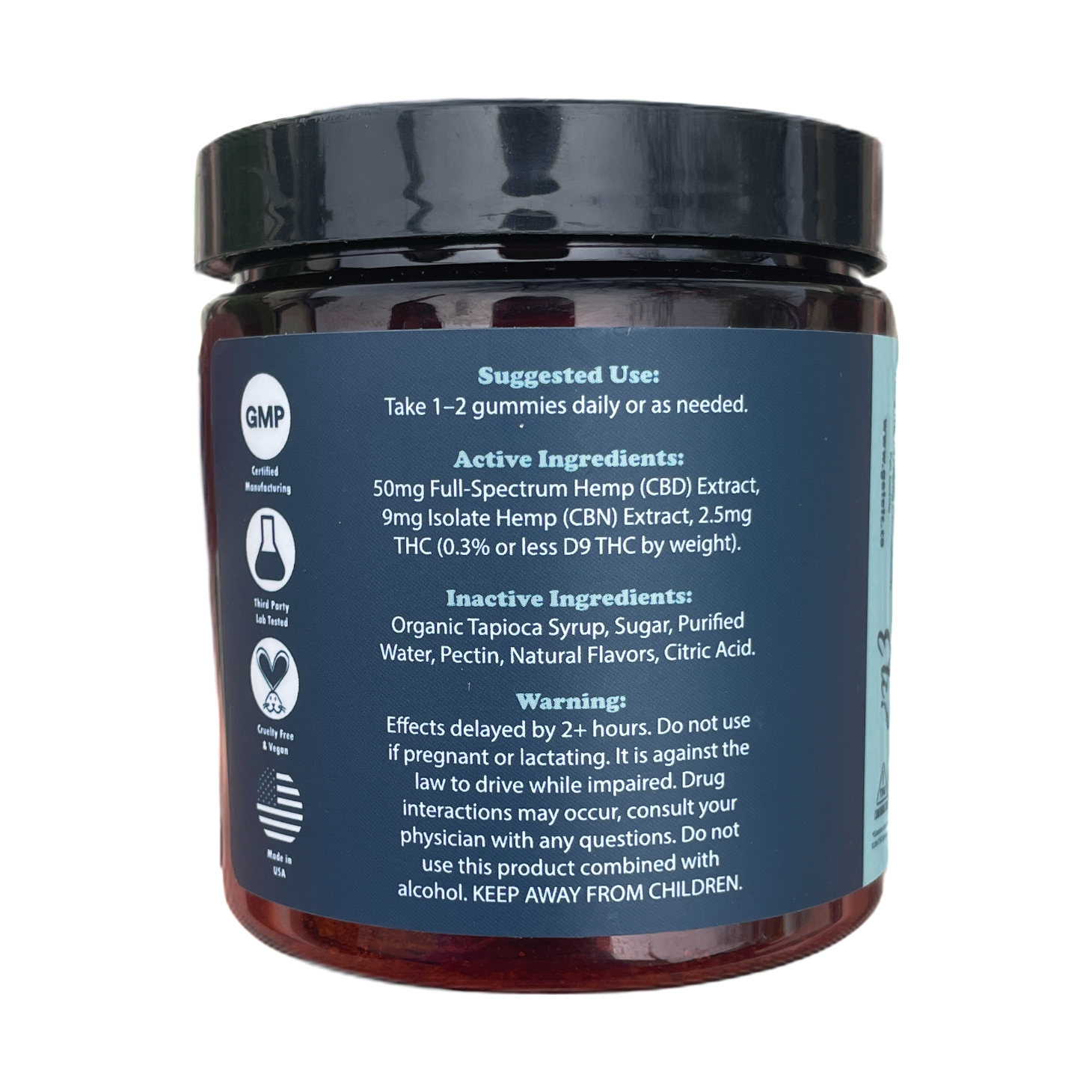
But here’s the part that matters more: meeting regulatory requirements is the minimum. Any responsible company in this space has to pass third-party testing, stay registered with the relevant state agriculture department (in Utah, that’s not optional), and publish its lab results where anyone can look. Those aren’t differentiators. They’re table stakes.
What actually differentiates a brand isn’t whether it clears the floor. It’s what it does with the space above it.
Choosing to go further — to have products reviewed by physicians, to study actual outcomes over eight weeks with real participants, to publish every certificate of analysis at reliefetc.com/pages/coa — isn’t legally required. It’s a values decision. And values decisions are the ones that build real trust, the kind that persists past the first purchase.
What Trust Actually Feels Like in Practice
Trust, in a wellness context, is not an abstraction. It shows up in surprisingly concrete ways.
It’s the moment you stop reading the ingredient label for the fifth time because you already know it checks out. It’s the morning you don’t feel the faint skeptical hum in the back of your mind asking whether this thing you’ve been taking is actually what it says it is. It’s the Tuesday afternoon you realize you’ve just been present — in a meeting, with your kids, in a conversation that deserved your full attention — without spending mental energy somewhere else.
That last part is the real payoff. Not the product. Not the regulatory compliance. The downstream effect of not being mentally occupied with uncertainty.
There’s a version of wellness shopping that never quite gets there. You buy something, you take it, and part of your brain stays in a low-grade holding pattern: Is this reputable? Does this brand know what they’re doing? Why does this label say “proprietary blend” instead of just telling me what’s in it? That mental overhead is subtle but real. It chips away at presence.
The alternative — knowing exactly what’s in a product, knowing it’s been reviewed by people who understand what they’re looking at, knowing you can verify it at any time — creates room for something more useful than vigilance. It creates room for actually living your day.
A Holistic Approach Means the Guidelines Are Part of the Story, Not the Whole Story
“Holistic” gets overused. But in this context, it has a specific meaning worth defending. A holistic approach to regulatory compliance means understanding that the point of the rules is the outcome, not the paperwork.
The outcome is a person who feels good about what they’re taking. Who takes it consistently, without internal friction, because they’ve resolved the question of whether it’s trustworthy. Who then, because that question is settled, has more bandwidth for everything else.
Consistency is the part that actually produces results. ETC’s own eight-week observational study found that participants reported an average 30% improvement in overall wellbeing over the course of the study, with steady week-over-week progress rather than a single spike. The body responds to regularity. But regularity requires a reason to keep going — a sense that the thing you’re doing is worth continuing. Trust is that reason.
This is why the regulatory picture matters beyond compliance. Not because COAs and state registrations are inherently interesting, but because they remove the doubt that quietly discourages consistency. You can’t build a sustainable wellness routine on a product you’re not sure about. You just keep auditing it instead of using it.
The Connection Between Knowing and Showing Up
There’s a version of this that sounds abstract until you see it in your own week.
Consider what the opposite looks like. You’re three weeks into taking something new. You’re not sure if it’s doing anything. You’re not sure the company is rigorous. You read a forum post that raised a question you can’t answer. At some point, you stop. Not because the product failed, but because the uncertainty created enough friction that inconsistency became easier than continuing.
Now consider the version where those questions were answered before you started. Where the formula is clear, the testing is verifiable, the formulation reflects real clinical thinking. You take it. You keep taking it. You stop monitoring it quite so closely. You start noticing the things that got easier, more incrementally than dramatically, because you stayed consistent long enough for consistency to compound.
That’s not a marketing story. That’s what happens when the groundwork of trust is actually laid.
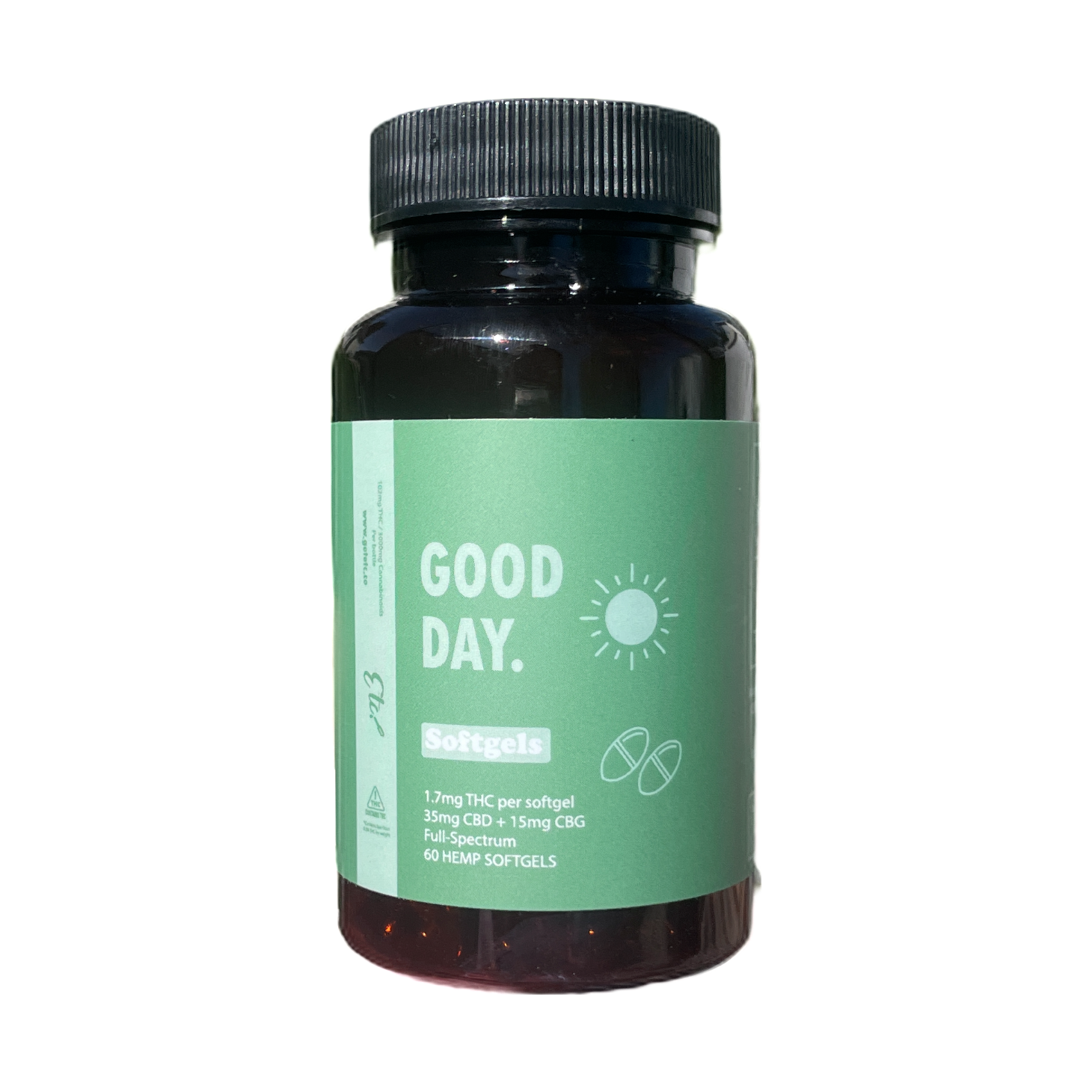
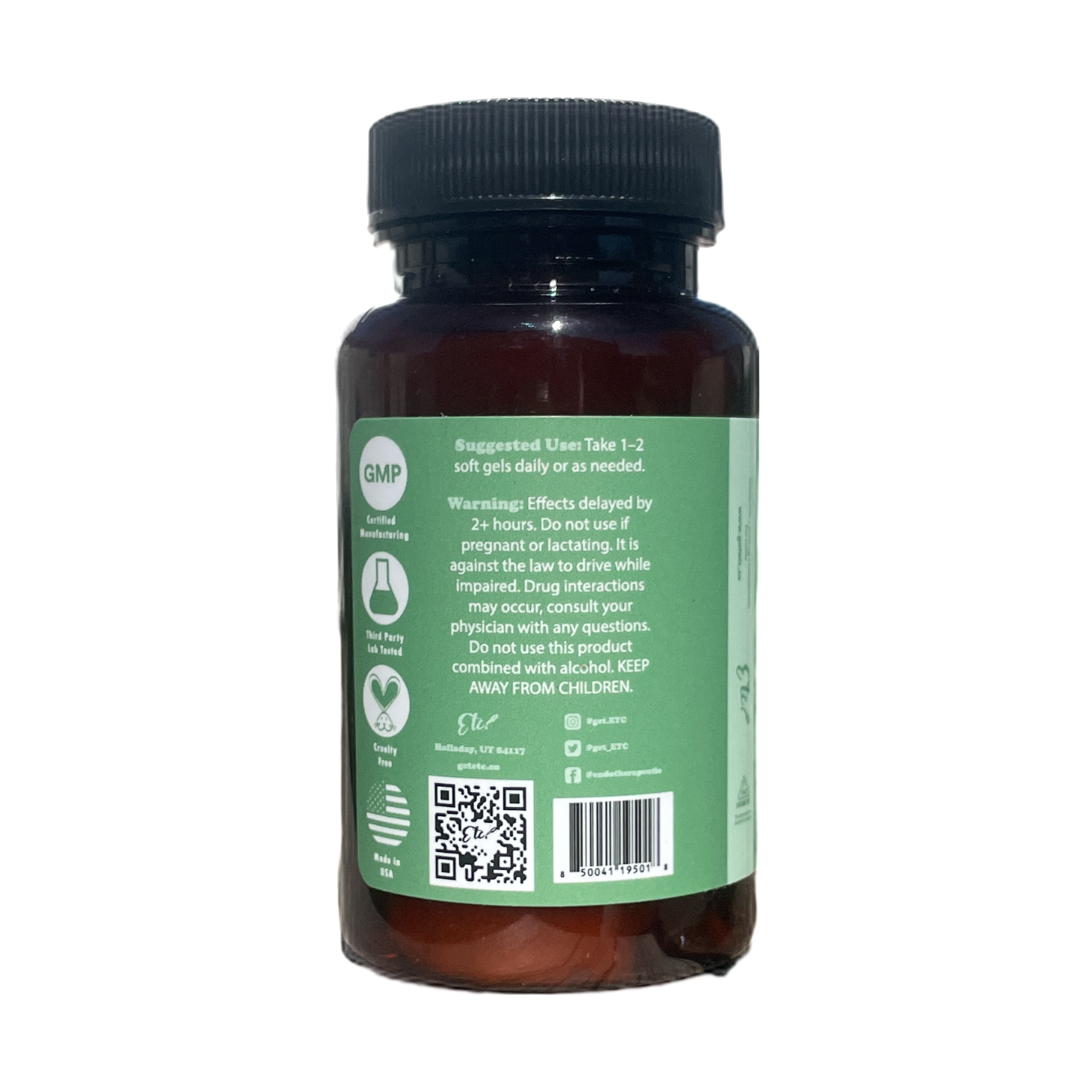
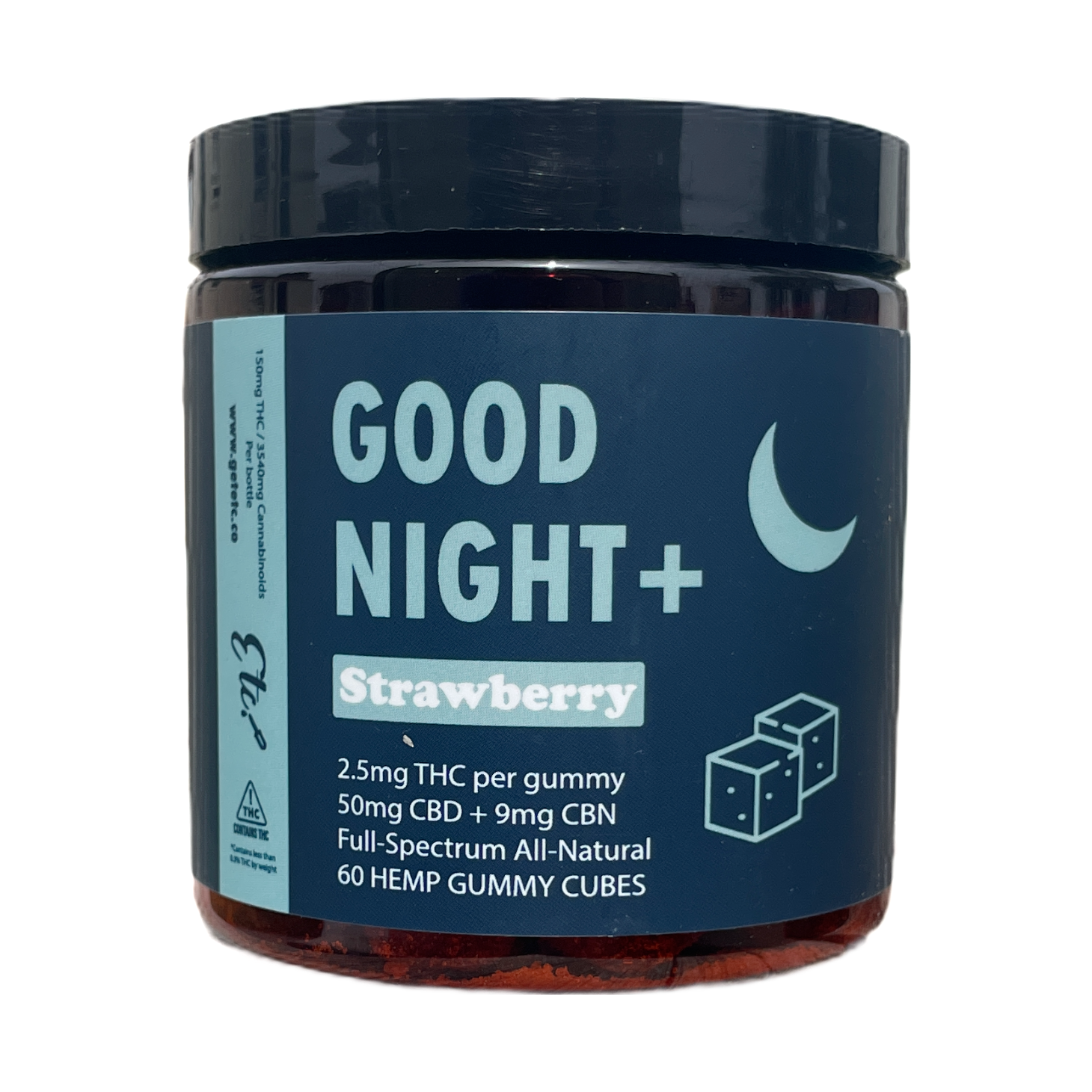
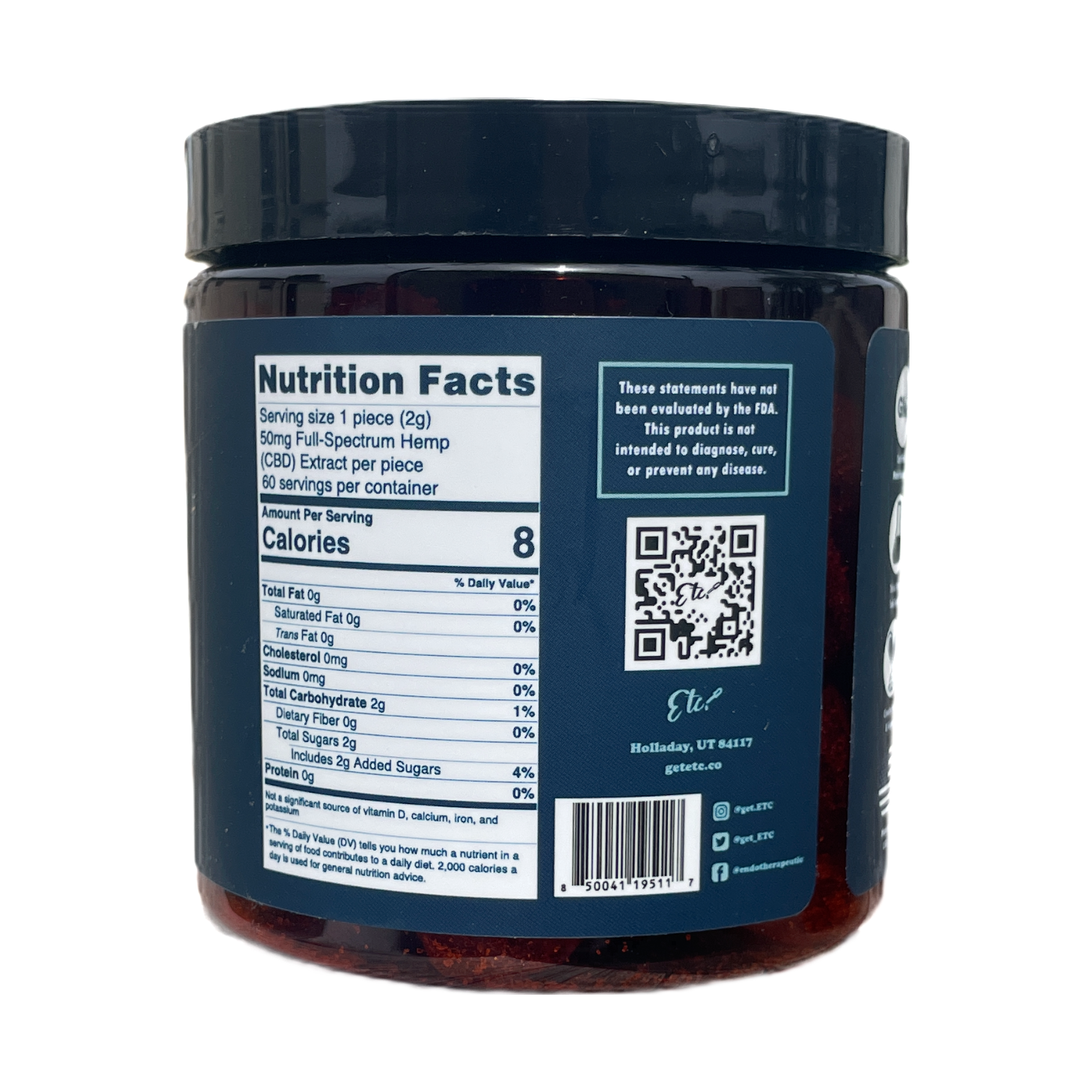
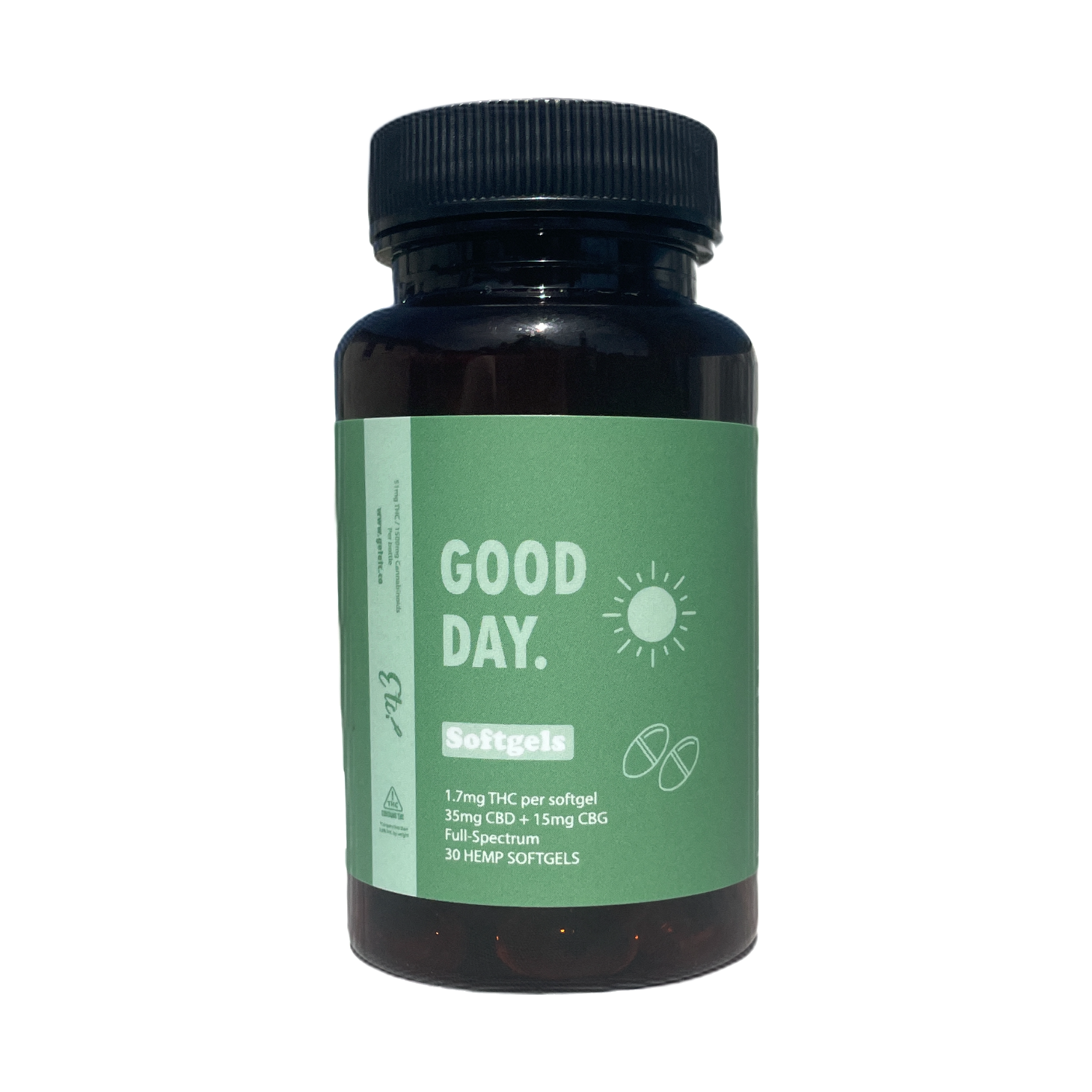
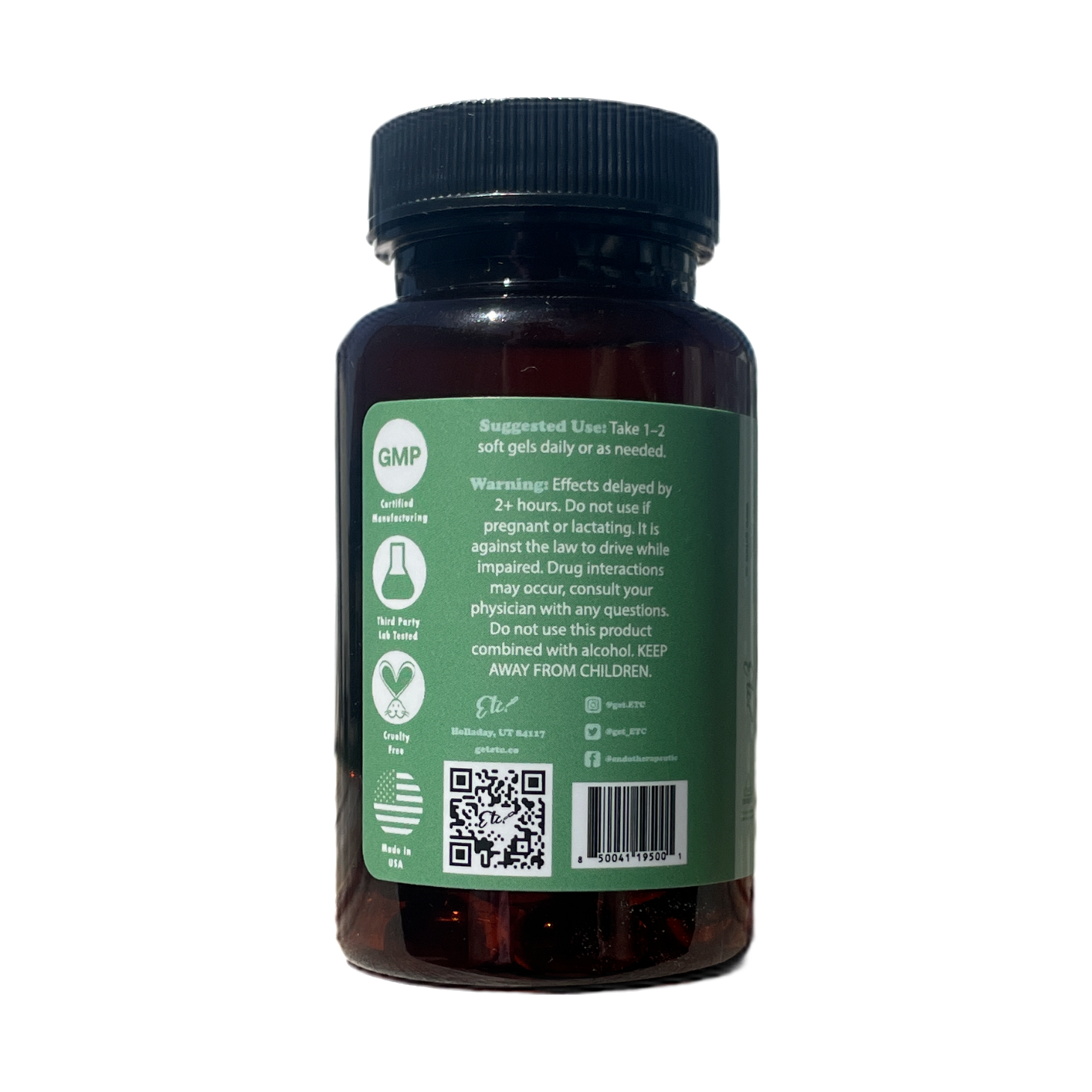
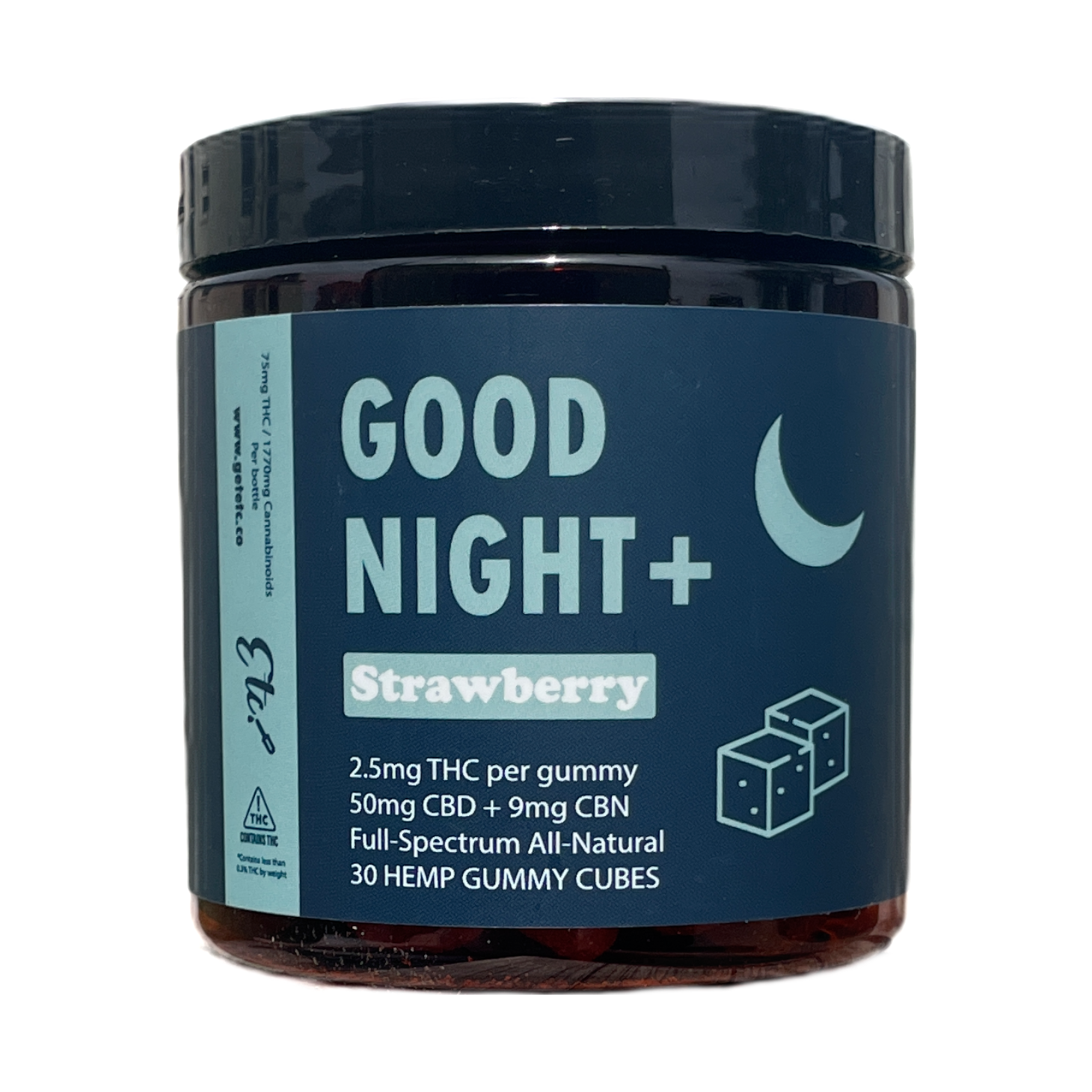
If you’re looking for a place to start, the Good Day and Good Night lines are built around exactly this kind of daily continuity — daytime balance and evening wind-down, same full-spectrum base, physician-reviewed formulas you can verify any time you want.
Joy Is a Side Effect of Not Second-Guessing
The headline version of a wellness brand tends to lead with the end state: calm, focus, better sleep, more energy. Those outcomes are real, and they matter. But they tend to happen downstream of something quieter: the decision to actually trust what you’re doing enough to do it consistently.
Regulatory guidelines, done right, create the conditions for that trust. They don’t produce joy. But they clear the path to it — by removing the mental static that comes from uncertainty, so there’s more room for the version of yourself that’s actually present for the day.
That’s the holistic part. Not just the plant, not just the formula, not just the lab results. The whole chain, from “I know what this is” to “I was actually here today.”
Disclaimer: These statements have not been evaluated by the Food and Drug Administration. This product is not intended to diagnose, treat, cure, or prevent any disease. Consult your healthcare provider before starting any new wellness regimen.
Photo by Vitaly Gariev on Unsplash