





An Inner Quiet You Can Return To
Most people don’t lose their sense of inner quiet all at once. It leaves gradually, like good posture — you don’t notice you’ve slouched until your back hurts. One week you’re fine. A few weeks later, something small sets you off and you think: when did I become this person?
That’s not a character flaw. It’s what happens when the cumulative weight of ordinary life doesn’t get a counterweight.
The interesting thing is that most people already know what the quieter version of themselves feels like. It’s not a fantasy — it’s a memory. You’ve been there. Maybe it was a Saturday morning before the to-do list arrived. Maybe it was a stretch of weeks where you slept well and had enough breathing room to be patient, curious, actually present. You weren’t performing calm. You just were.
The question isn’t whether that version of you exists. It does. The question is whether you can get back there — and whether you can stay.
The Return Is Different From the Arrival
There’s a common misconception that inner quiet is something you achieve through discipline: the right meditation streak, the perfect morning routine, the productivity system that finally clicks. And those things have real value. But they also tend to share a flaw — they’re fragile. One bad week and the whole structure wobbles.
A more useful frame might be: inner quiet isn’t a destination. It’s a place you can return to. That shift matters, because returning is a different skill than arriving. It requires less perfection and more reliability. Less architecture and more ground.
What most people are actually looking for is a baseline they can trust. Not euphoria. Not a dramatic shift. Just a consistent floor — something that holds even when the week doesn’t cooperate.
What Consistency Actually Feels Like
The people who describe this best aren’t usually the ones who had the biggest results. They’re the ones who, after a few weeks, noticed they’d stopped having certain arguments. Or that they’d let something go that would have lingered for days. Or that they’d been fully present at dinner instead of running the day’s unfinished business in the background.
That’s what a reliable baseline actually looks like in practice. Not fireworks — just the slow, noticeable return of your own best qualities. More patience. More room. The ability to find something funny again when you’d been too wound up to bother.
In our own 8-week observational study, participants reported an average 30% improvement in overall wellbeing over the course of the study. The improvements weren’t dramatic from week to week. They were steady, cumulative, and they built on each other. Mood saw the largest total gain over the eight weeks. Sleep often came first. What came after those was harder to measure but easier to live: people simply reported feeling more like themselves.
Consistency, it turns out, matters more than any single moment of relief.
Why Trust Has to Come Before the Routine
Here’s the part that doesn’t get talked about enough: you cannot relax into something you don’t trust.
This is why the transparency piece isn’t just a nice-to-have for a wellness brand. It’s load-bearing. If you’re reading a label and wondering whether it’s accurate, if you’re not sure whether what you’re taking actually contains what it says — that uncertainty doesn’t disappear when you swallow the capsule. It follows you.
What allows a routine to actually work is the ability to stop thinking about whether it’s working and just let it. That’s only possible when the product behind the routine has already answered the questions you’d otherwise be carrying.
ETC publishes third-party lab results for every batch, openly and publicly, at reliefetc.com/pages/coa. Every formulation is physician-reviewed. Not because those things make for a good paragraph in a blog post, but because they’re what makes it possible to stop second-guessing and start noticing.
When you trust what you’re taking, you free up the mental space that was spent on doubt. And that space? That’s exactly where the quiet lives.
The People You’re Present For
There’s a ripple effect to inner quiet that rarely makes it into the wellness conversation, maybe because it sounds too simple.
When you’re not running hot — when the low-level static has settled — you show up differently for people. The friend who needs you to actually listen, not just wait for your turn. The kid asking you to watch something for the fifth time when you’ve had a long day. The colleague who catches you in the hall. These are the moments that actually make up a life. And they require a version of you that isn’t already spent.
That’s the real payoff of a sustainable wellness routine. Not the 30% number, not the label, not the formulation. It’s the ability to be where you are when it counts.
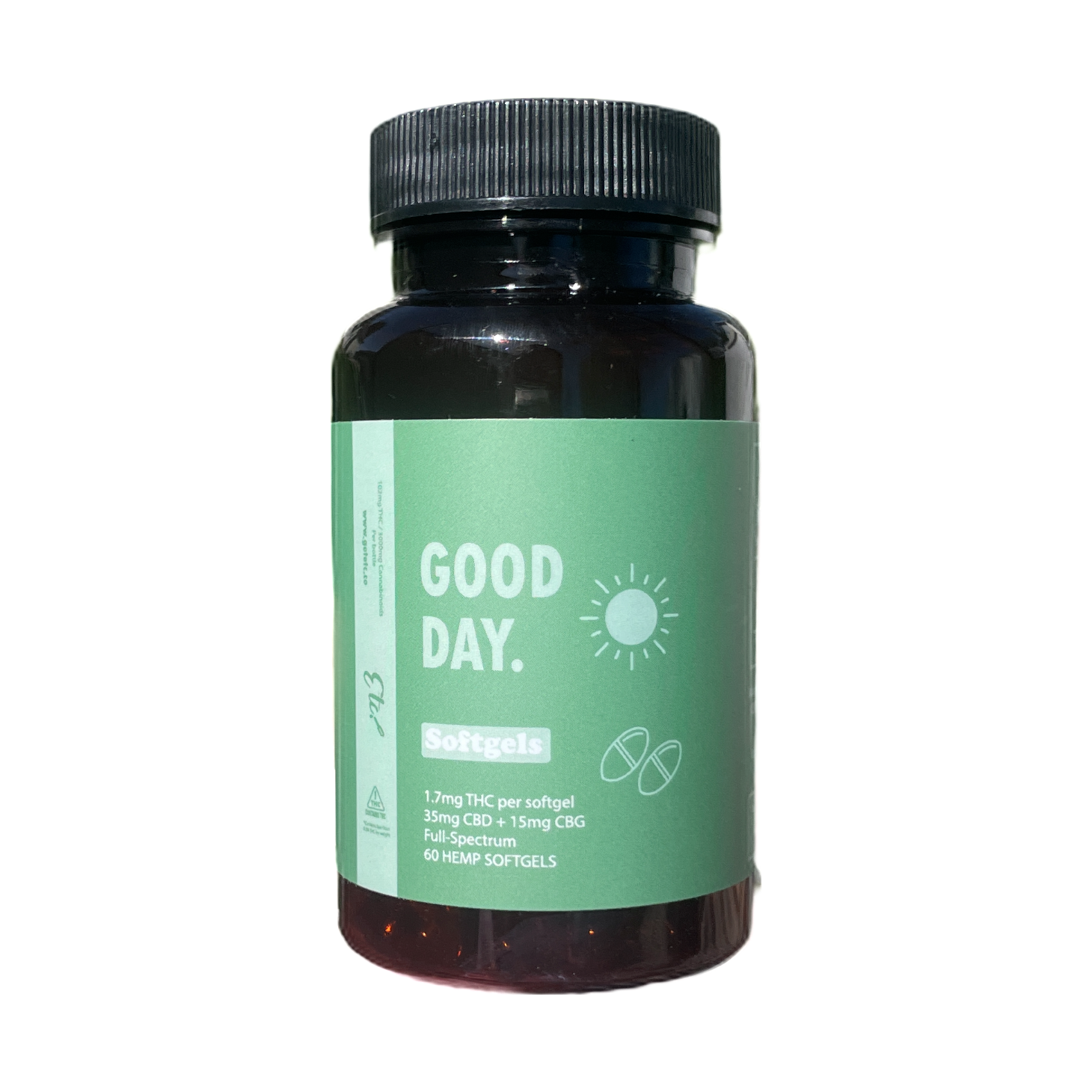
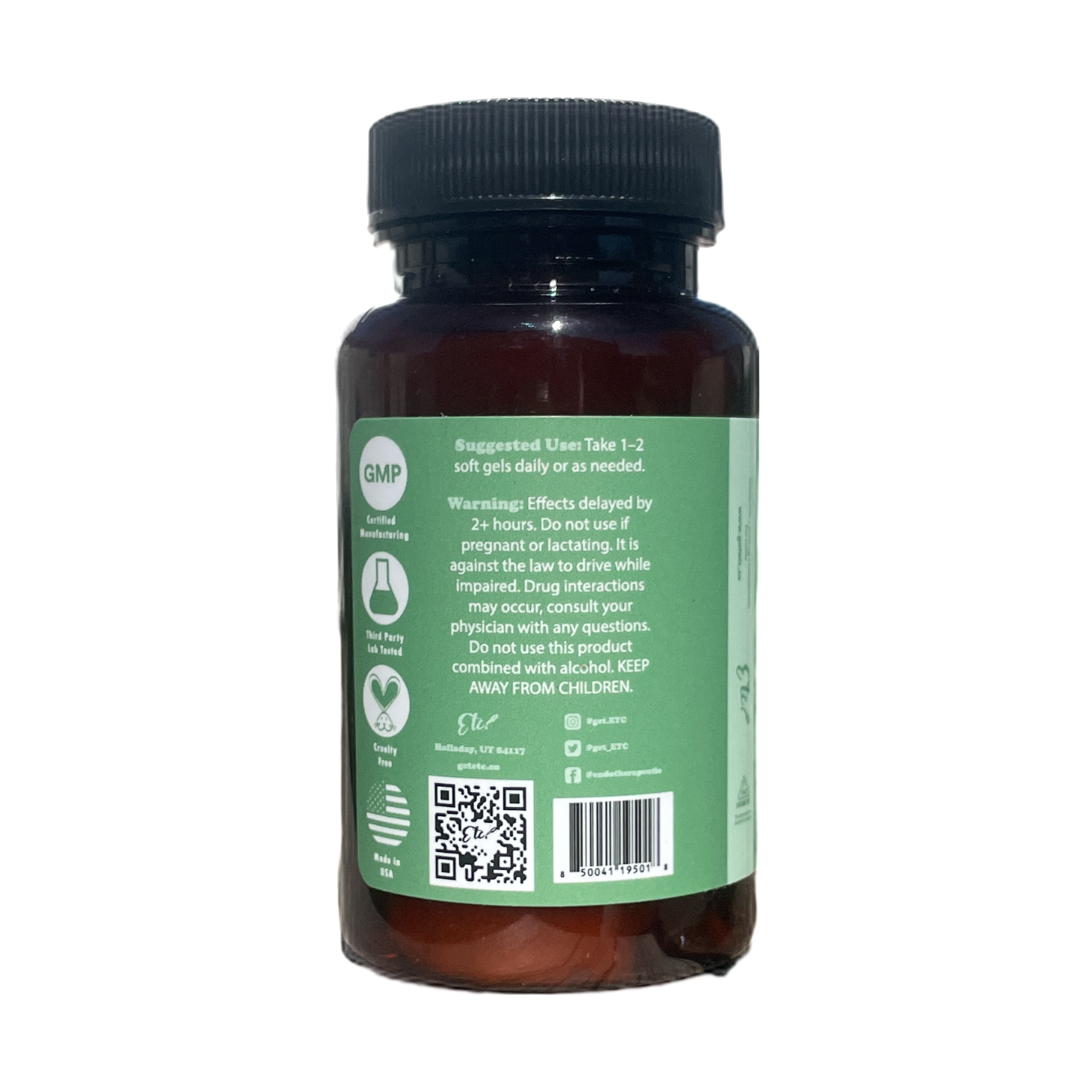
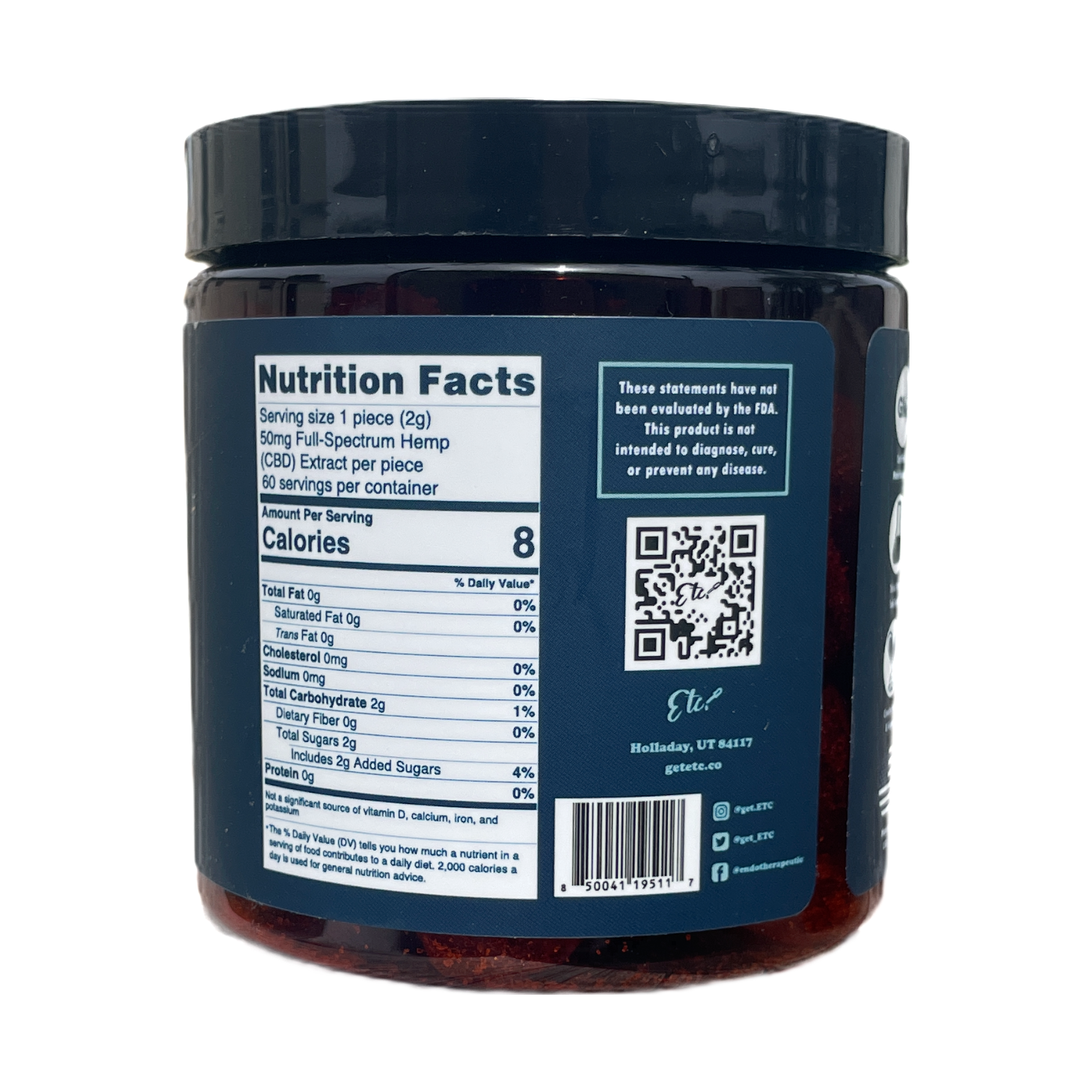
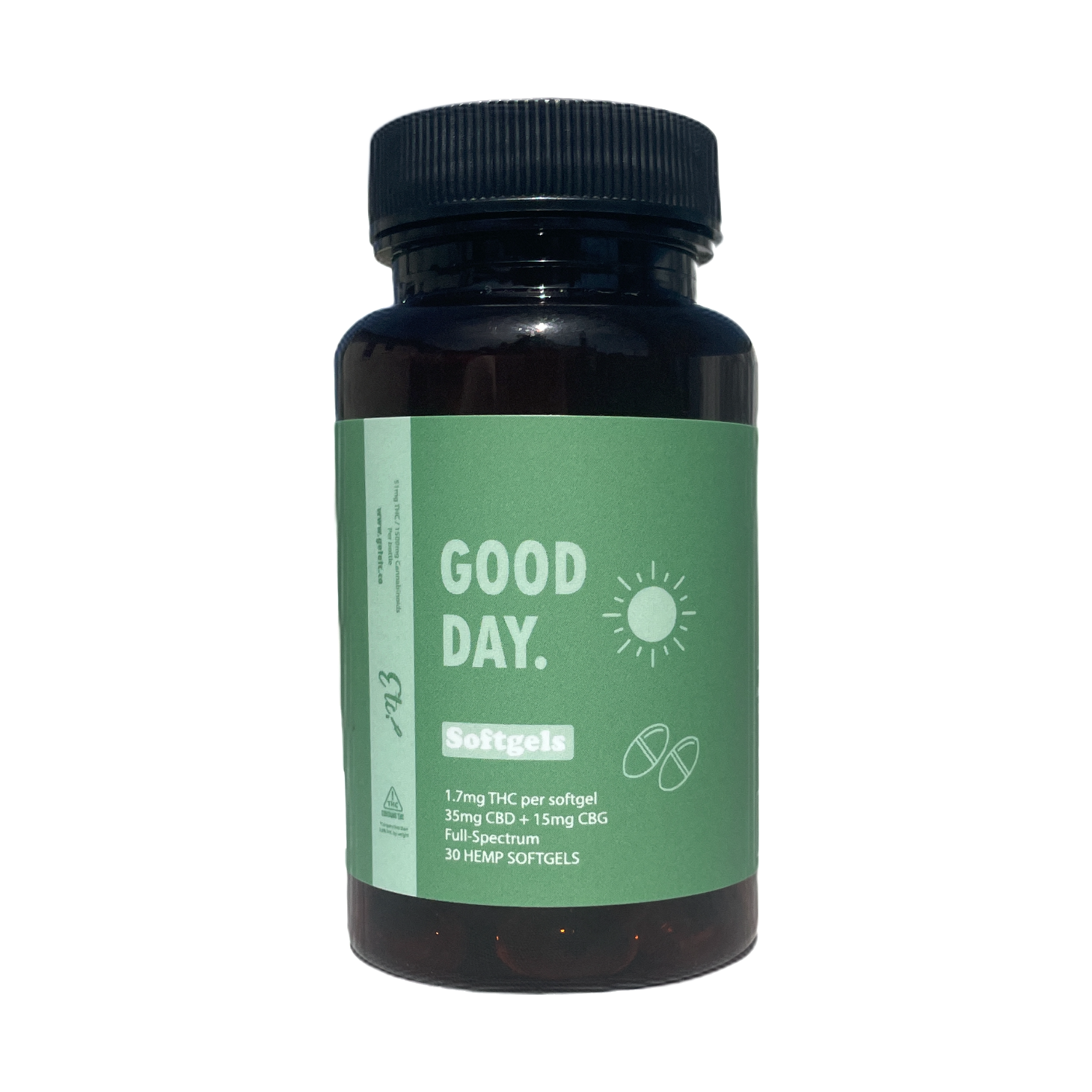
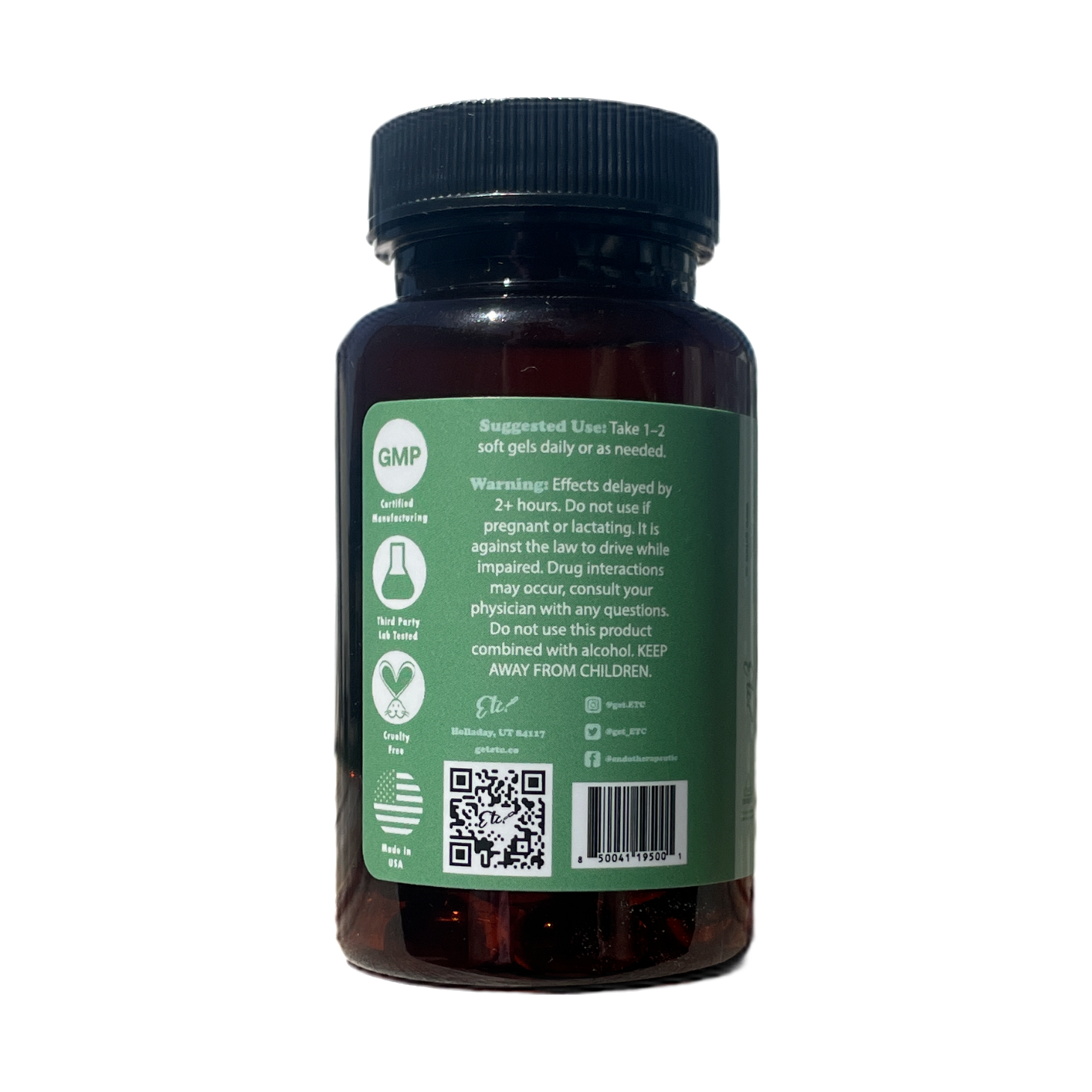
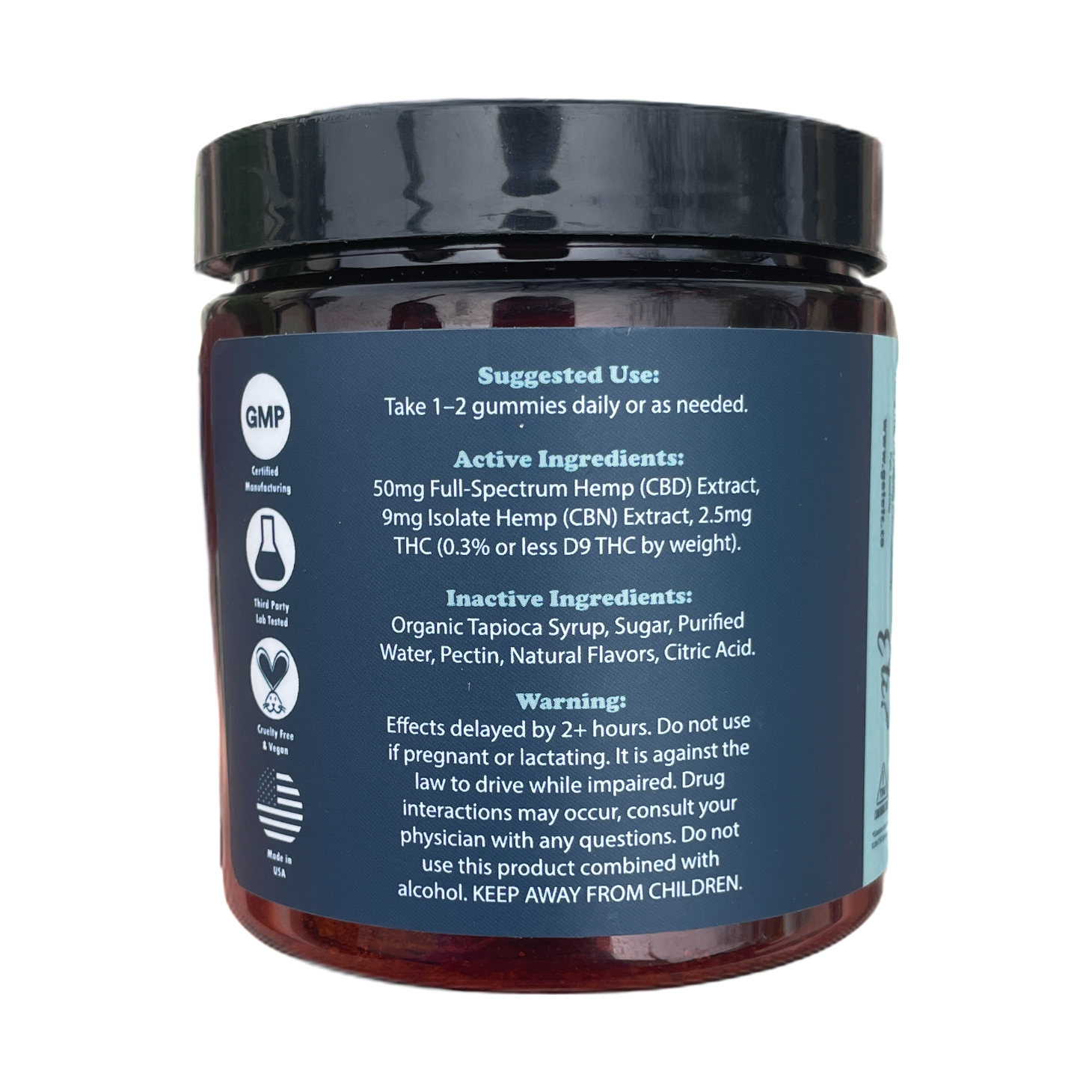
The Good Night softgels or Good Day gummies — depending on where in the day you tend to lose the thread — are worth trying if you’ve been looking for that consistent floor and haven’t found it yet. Start with the lowest serving, give it a couple of weeks, and pay less attention to whether something dramatic is happening and more attention to whether the ordinary things are going a little better.
The Version of You That Was Always There
The quieter version of you didn’t go anywhere. It’s just been harder to access lately, crowded out by accumulated noise that never fully clears before more arrives.
The goal isn’t to manufacture peace. It’s to reduce what’s in the way of the peace that’s already yours. A routine you trust, built around something that actually does what it says, is one of the more reliable ways to get there.
Not a transformation. Just a return. And the more you can return, the less far away it ever feels.
Disclaimer: These statements have not been evaluated by the Food and Drug Administration. This product is not intended to diagnose, treat, cure, or prevent any disease. Consult your healthcare provider before starting any new wellness regimen.
Photo by Vitaly Gariev on Unsplash