



Wellness Feels Different When You Get to Define It
Most wellness advice arrives pre-assembled. Someone else decided what balance looks like, what a good morning requires, what “taking care of yourself” means for a person like you. You’re handed a program, a protocol, a 30-day plan, and told to fit yourself into it.
That’s not wellness ownership. That’s just a different dress code.
The version of wellness that actually sticks is the one you built yourself, on your own terms, through small experiments and honest feedback and the gradual confidence that comes from knowing what works for your body. Nobody hands you that. You earn it.
The Expert Trap
Here’s the thing about the wellness industry: it has a deep financial interest in making you feel like you need an expert to interpret your own experience. Buy this. Stack that. Measure this biomarker. Track that window.
There’s a version of all that curiosity that’s genuinely useful. And then there’s the version that quietly convinces you that your own perception can’t be trusted, that you need external validation before you’re allowed to say “yes, I feel better.”
You don’t.
Your experience is data. The way you show up on a Tuesday morning, whether you have the bandwidth to be patient with the person who really needs your patience, whether you’re genuinely present at dinner or just physically there. These are real signals. They matter more than any metric.
Reclaiming wellness means starting to trust those signals again.
What Ownership Actually Looks Like
Wellness ownership isn’t a personality type. It’s not a habit stack or a sunrise practice or a $400 blender. It’s simpler than that. It’s the decision to see your routine as something that reports to you, not the other way around.
It tends to show up in small ways. You notice you feel more settled on weeks you’ve been consistent with whatever you’ve added to your routine. You notice the difference in how you engage with people you care about. You start to have an opinion about what you need, and that opinion turns out to be pretty accurate.
And when you have that relationship with your own wellbeing, something shifts. You stop chasing the next thing. You stop waiting to feel better “someday.” You show up differently for the parts of your life that actually matter.
That’s the payoff. Not a number on a scale or a sleep score. The Tuesday morning. The dinner table. The conversation you were actually present for.
Why Trust Isn’t Optional
If you’re going to own your wellness, you need to trust what you’re putting in your body. That’s not a sales point. It’s a prerequisite.
Because here’s what happens when you don’t fully trust a product or a brand: you use it inconsistently. You second-guess whether it’s working. You introduce variables. And then you can’t tell what’s signal and what’s noise. The doubt undercuts the experiment before it gets a chance to run.
Trust eliminates that friction. When you know what’s in something, how it was tested, and that someone put their reputation on it, you can actually pay attention to how you feel rather than whether you should be worrying.
ETC publishes third-party lab results publicly for every batch at reliefetc.com/pages/coa. Physician-reviewed formulas. Honest ingredient lists. Not because a customer demanded it, but because a brand that asks you to pay attention to your experience owes you clarity about what you’re taking.
That’s the foundation. The interesting part is what you build on it.
The 8-Week Thing
In ETC’s own observational study, run twice with 60-plus participants each time, people reported an average 30% improvement in overall wellbeing across eight weeks. Mood showed the largest total gain. Sleep often came first.
What the numbers don’t capture is the downstream effect. Better rest and steadier mood don’t exist in isolation. They ripple. The person who sleeps more soundly is more patient. The person with a more balanced mood is more engaged. The person who feels genuinely well is more present, more curious, more generous with the people around them.
That’s what 30% improvement in wellbeing actually means when it lands in someone’s real life.
It’s Individual (and That’s the Point)
Your body’s endocannabinoid system is real, it’s yours, and it doesn’t respond identically to everyone else’s. You already produce cannabinoids naturally. Hemp is one way to support what your body is already doing, when it needs a hand.
What that looks like for you specifically? You get to figure that out.
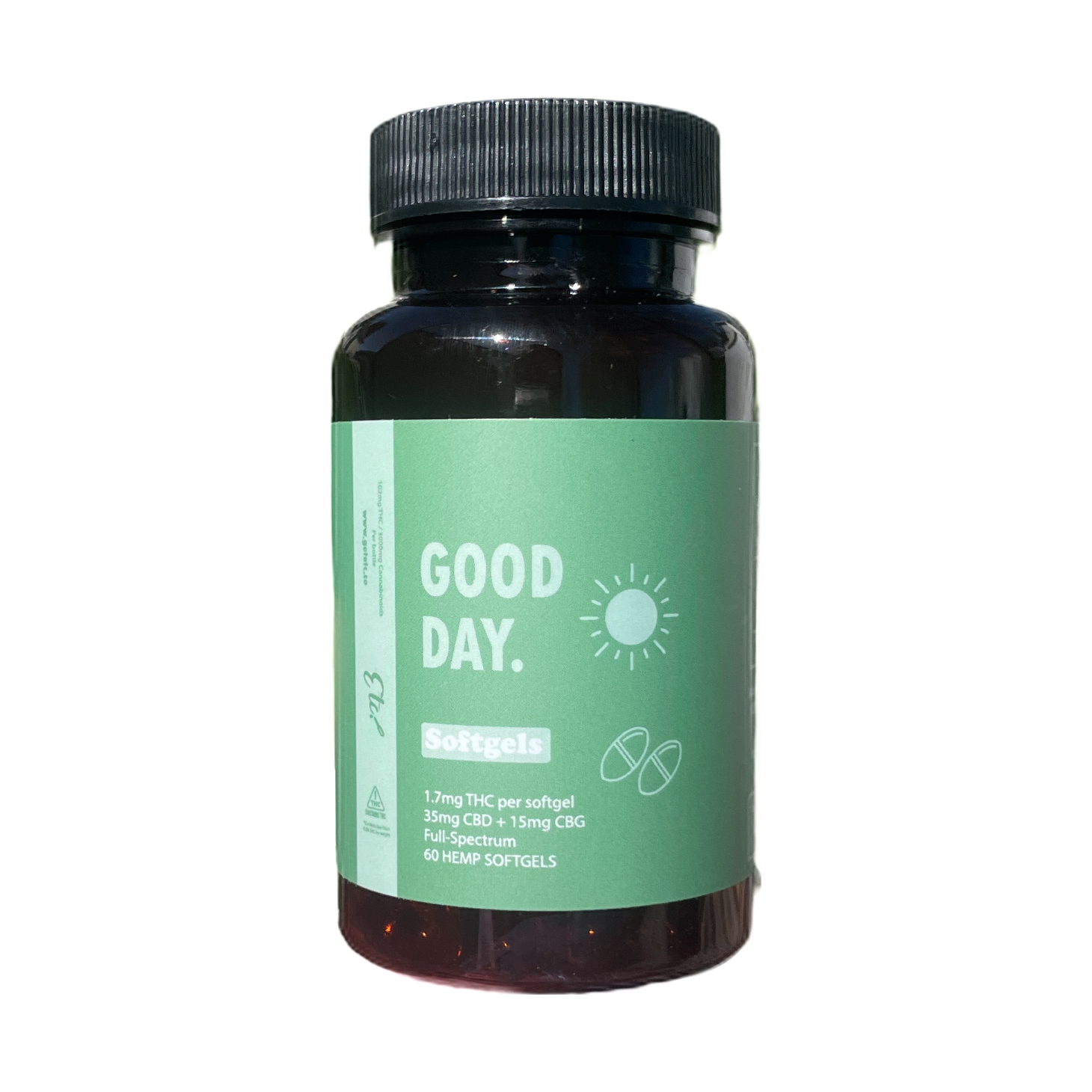
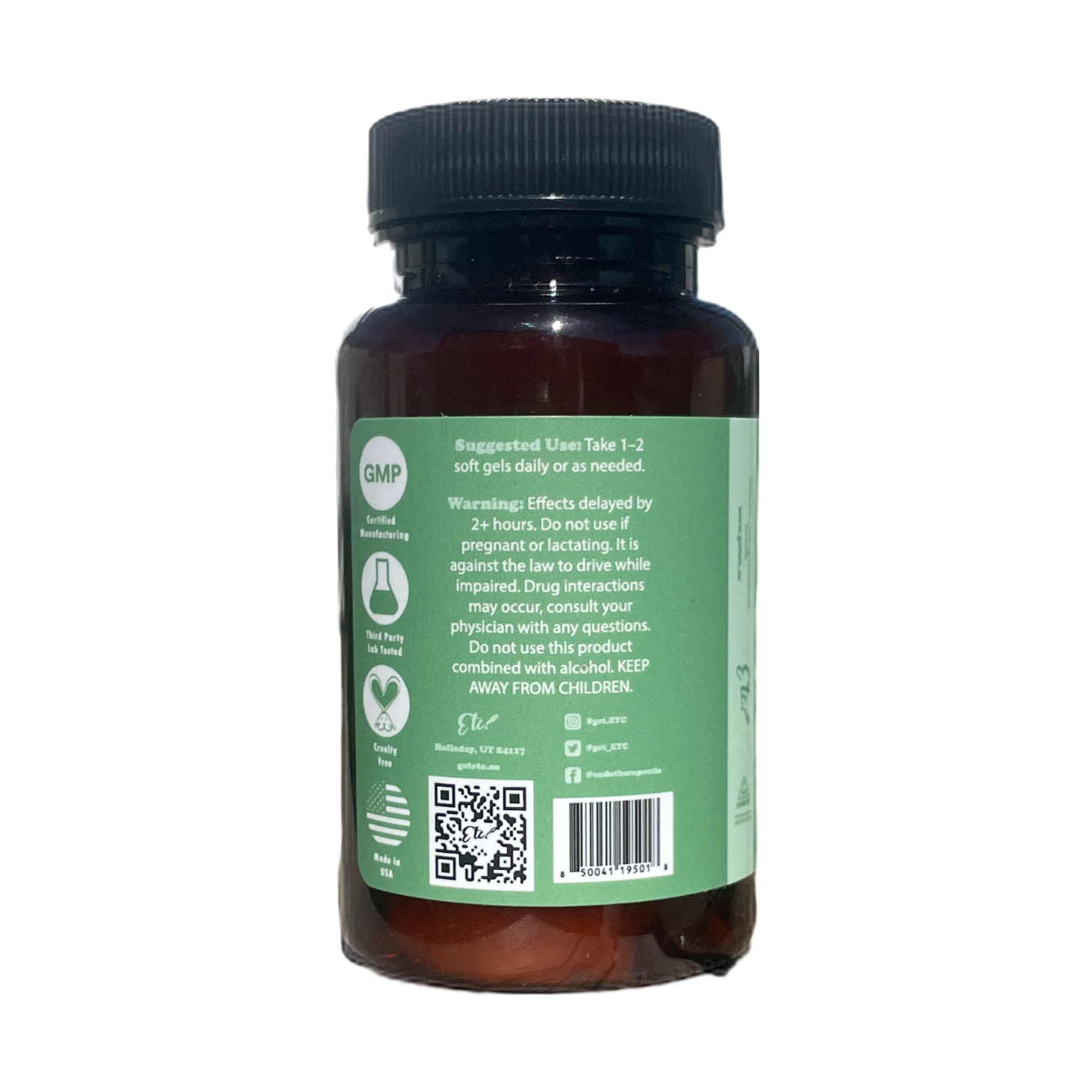
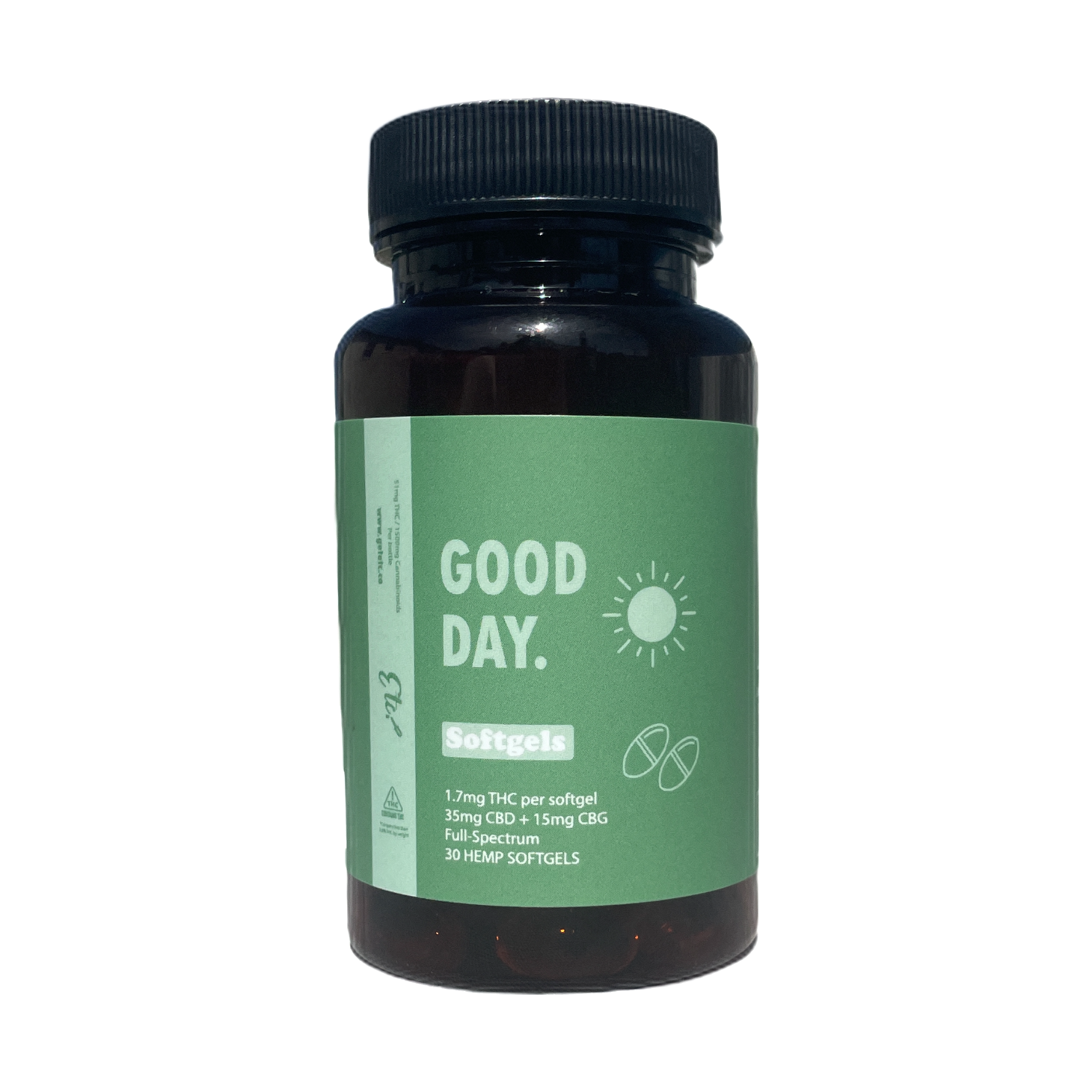
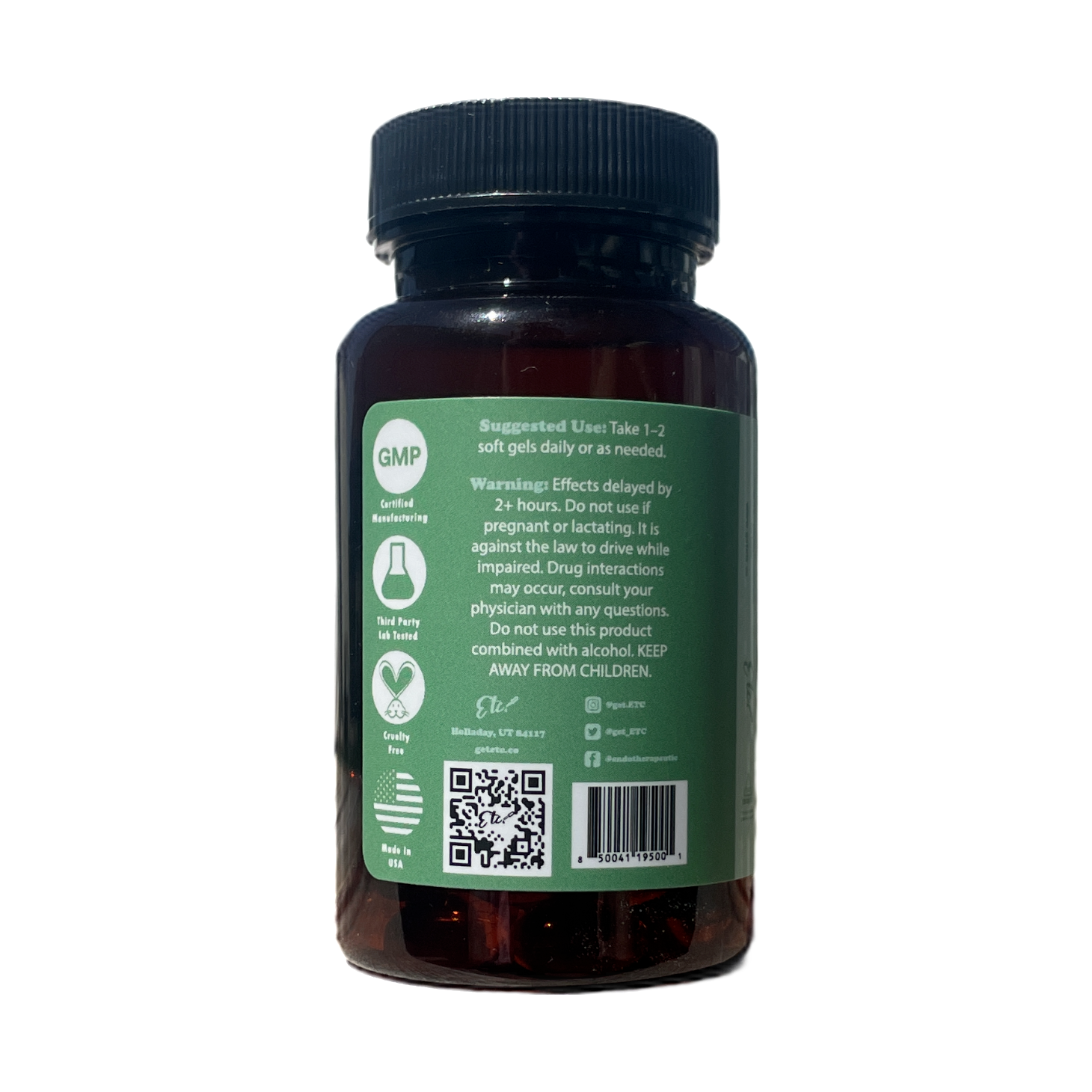
Some people find Good Day is exactly right for morning steadiness. Others use it differently. Some people discover that consistency matters more than timing. Some people need a month before anything clicks. The point is that you’re paying attention, adjusting, and actually listening to what your body is telling you.
That’s wellness ownership. Not the finding. The listening.
The Version That’s Actually Yours
There’s a version of your wellness routine that doesn’t feel like compliance. One that earns your consistency because you can actually feel the difference it makes, not just on the days you notice it but in the way you show up for everything else.
That version doesn’t come from a protocol. It comes from trusting yourself enough to experiment, choosing products you can actually trust, and giving the whole thing enough time to mean something.
What you’re building is yours. The results show up where they count: in the patience you find when it’s hard, the presence you bring when it matters, and the quiet confidence that comes from knowing you’re taking care of yourself in a way that actually fits your life.
That’s wellness when you get to define it. And it feels different because it is.
Disclaimer: These statements have not been evaluated by the Food and Drug Administration. This product is not intended to diagnose, treat, cure, or prevent any disease. Consult your healthcare provider before starting any new wellness regimen.
Photo by Margo Evardson on Unsplash