



Most People Skip the Lab Report. Here's Why That's a Mistake.
There’s a moment that happens to a lot of people who are new to hemp wellness. You find a product that sounds right, you read the website, you feel reasonably good about it — and then someone mentions the lab report. The Certificate of Analysis. The COA.
And you think: I should probably look at that. And then you don’t. Because you open it and it looks like a chemistry exam you didn’t study for, and you close it, and you move on.
Most people do exactly this. Which is a shame — because that document, once you know what you’re looking at, is actually the whole ballgame. It’s the difference between trusting a label and trusting a fact.
Here’s how to actually read one.
What a COA Is (and Why It Exists)
A Certificate of Analysis is an independent lab report — meaning a laboratory with no financial relationship to the company tested the product and published what they found. It’s third-party verification. In Utah, third-party testing is required by law. In most other states, it’s optional, which is why plenty of brands operating elsewhere don’t bother.
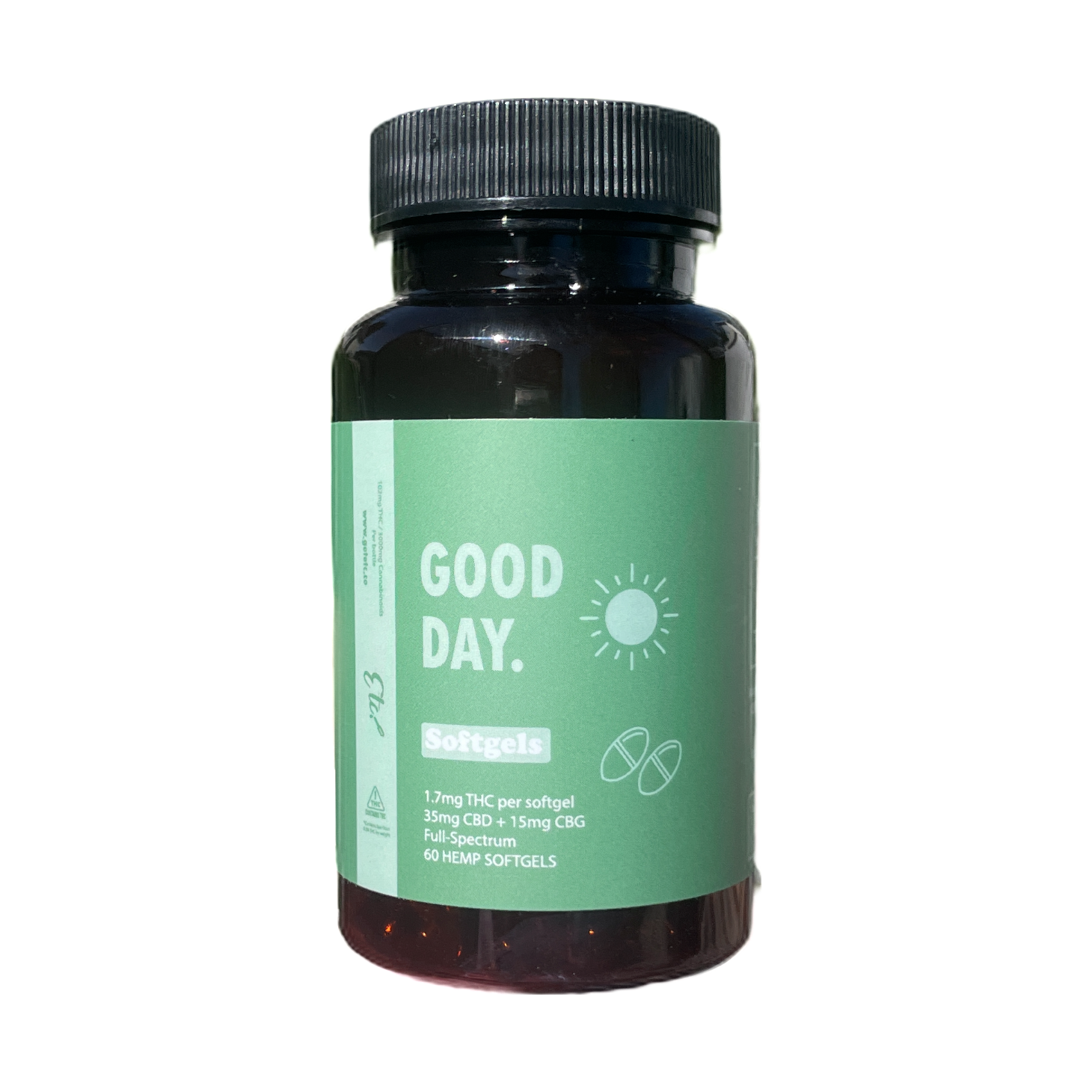
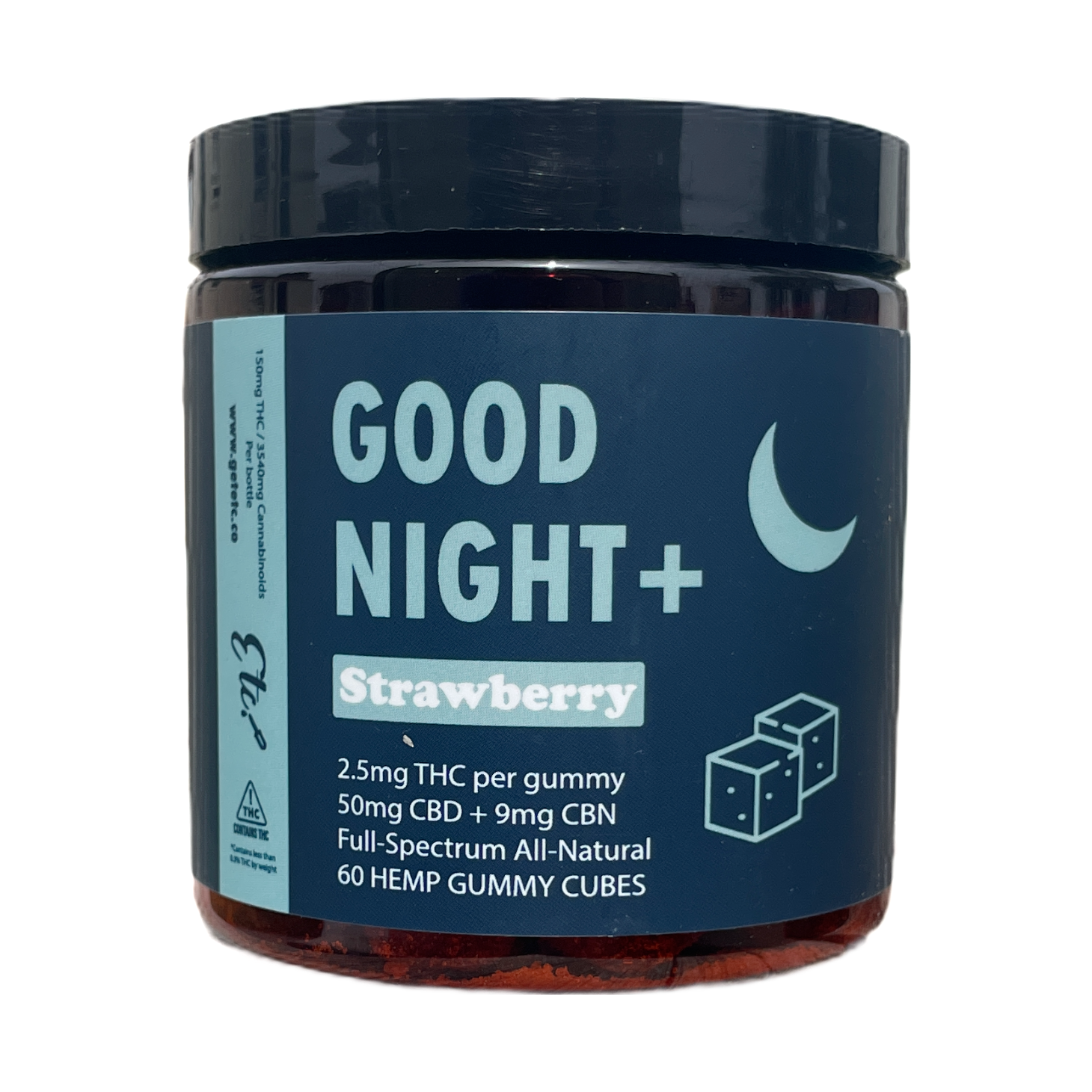
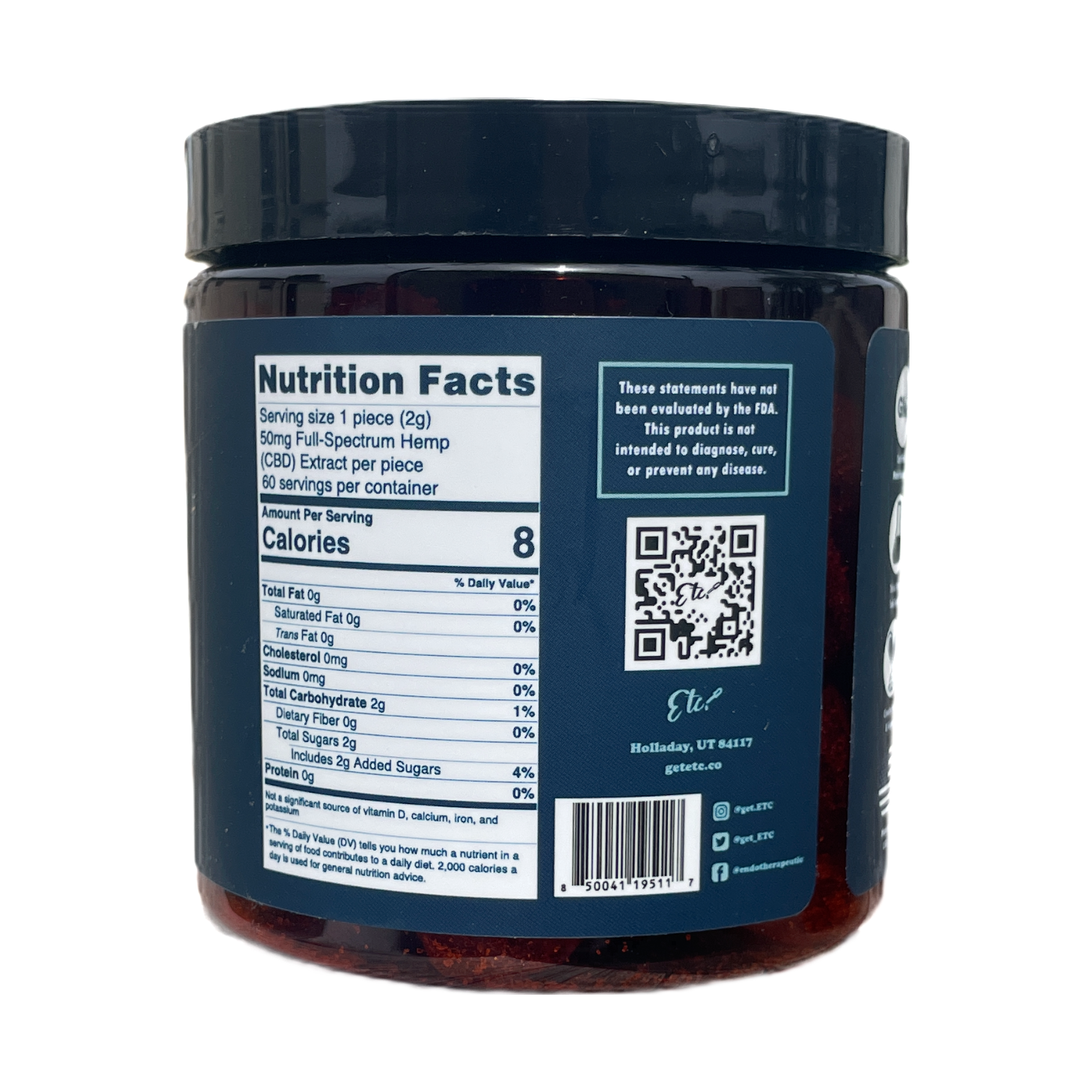
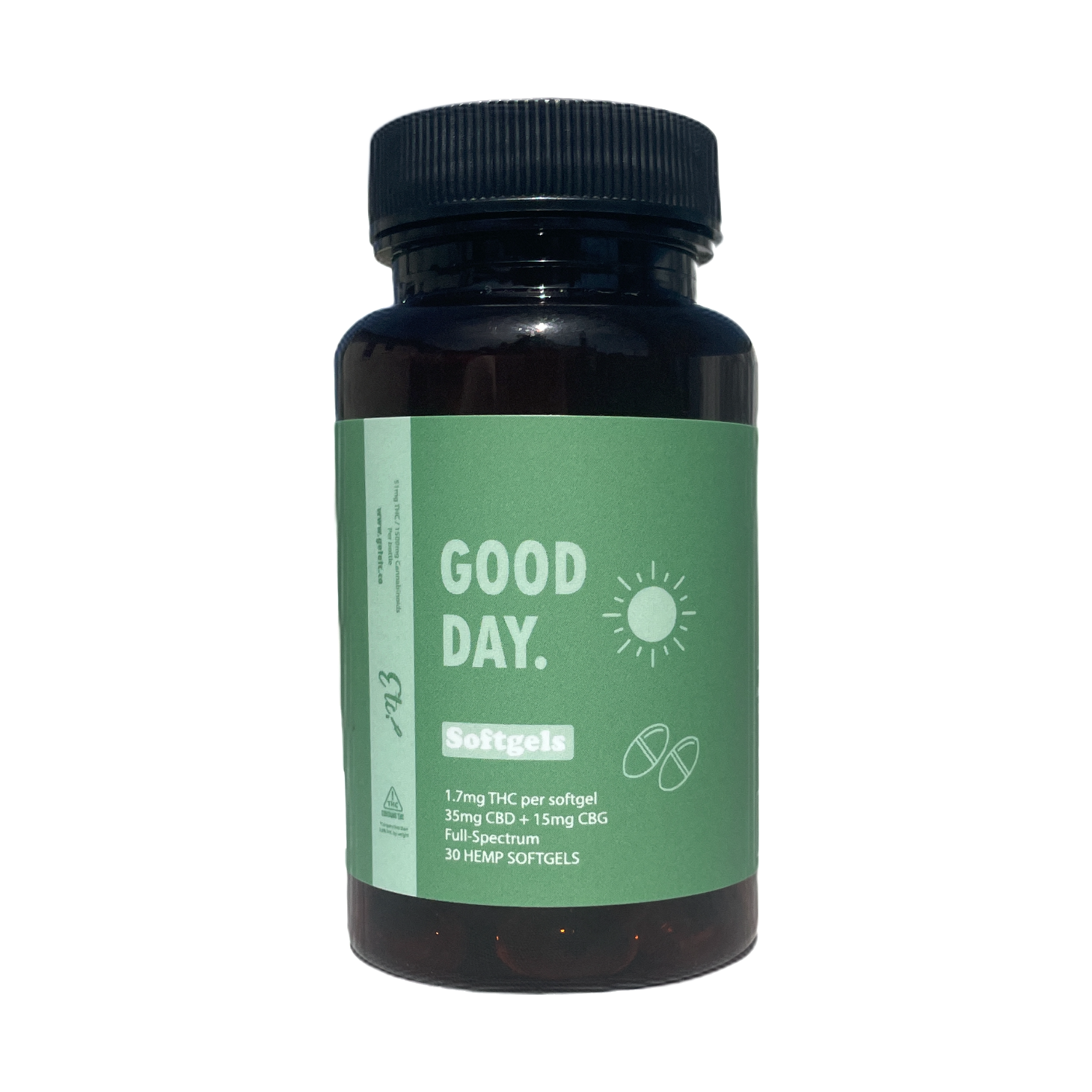
ETC publishes all COAs publicly at reliefetc.com/pages/coa. No login required, no hoops. You can pull one up right now.
The COA tells you three things that matter: what’s actually in the product, what’s not in the product, and whether the label is telling the truth.
Section 1: The Cannabinoid Panel
This is the main event. It lists every cannabinoid detected — CBD, CBG, CBN, CBC, THC, and several others — along with the exact concentration found in the sample.
Here’s what you’re looking for:
Total CBD (or total cannabinoid content)
Does it match what’s on the label? If a product says 30mg CBD per serving, does the math hold up? Multiply the concentration by the serving size and see. If the numbers are off by more than a few percent, that’s worth noticing.
THC levels
Federal law caps hemp products at 0.3% THC by dry weight. A compliant lab report should show THC below that threshold. This number is also the one that matters if you’re thinking about employer drug screenings — even legal hemp amounts can show up on a test with regular use, so it’s worth verifying you’re actually looking at compliant levels.
The cannabinoid profile as a whole
Full-spectrum hemp contains at least 113 known compounds — CBD is just the one that got famous. If you’re using a full-spectrum product, the COA should reflect that: you’ll see not just CBD but CBG, CBN, CBC, and trace THC. This matters because the compounds work together. A COA showing only CBD in a product marketed as “full-spectrum” should raise an eyebrow.
Section 2: Contaminant Testing
This is the part most people completely overlook — and it might be the most important for your actual wellbeing.
Pesticides
Hemp is a bioaccumulator. It pulls things out of the soil, including things you don’t want to consume. A clean COA will show pesticide levels either as non-detected or well below the action limits defined by the testing lab.
Heavy metals
Same principle. Lead, arsenic, mercury, cadmium. You want to see “ND” (non-detected) or levels far below the established safety thresholds. If this section is missing entirely from a COA, that’s a problem — it means the company may not have tested for it.
Microbials
Bacteria, mold, yeast. These are tested because hemp is an agricultural product and things can go wrong in processing. A clean result here matters for anyone with a sensitive system.
Residual solvents
If the product was extracted using a solvent-based process, this section confirms the solvent was properly removed. You don’t want it; a good COA will confirm it’s not there.
Section 3: Reading the Lab Itself
Not all third-party labs are equal. Before you trust the numbers, spend 30 seconds on the lab itself.
Look for:
- ISO 17025 accreditation — this is the international standard for testing laboratories. It means the lab’s methods have been independently verified for accuracy.
- A verifiable address and license number — a real lab has a real location. You can look it up.
- A dated report — COAs have a shelf life. A report from three years ago isn’t evidence of what’s in today’s batch. Look for batch numbers that correspond to what you’re actually buying.
Why This Matters More Than You Think
The hemp wellness market has a trust problem — not because the category is inherently untrustworthy, but because the barrier to entry is low and the regulatory oversight is uneven. A brand can put nearly anything on a label and sell it in states with no testing requirements. The COA is the mechanism that separates the careful from the careless.
When you read one — actually read it — you stop being a passive consumer and start being an informed decision-maker. That’s not a small thing. It’s the reason the document exists.
There’s also a quieter benefit: once you’ve done this once for a brand you use regularly, you can stop doing it every time. You’ve verified. You know what you’re taking and where it came from. That kind of earned confidence is genuinely different from just hoping the label is right.
A Quick Reference: What to Check First
If you want a fast pass through a COA, here’s the four-question version:
- Does the cannabinoid content match the label? Within a few percent is normal; large discrepancies aren’t.
- Is THC at or below 0.3%? This is the legal compliance check.
- Are pesticides, heavy metals, and microbials either non-detected or below action limits? This is the safety check.
- Is the lab ISO 17025 accredited, and is the report dated recently? This is the credibility check.
If all four hold up, you’re in good shape.
One More Thing
If you’re already using ETC products or considering them, the COAs are right there — all of them, publicly posted, batch by batch. Pull one up. Walk through it with the framework above. It takes about five minutes, and what you get on the other side of those five minutes is something most people never have: genuine confidence in what they’re putting in their body.
That’s not a small thing to have. Especially when it’s this easy to get.
Disclaimer: These statements have not been evaluated by the Food and Drug Administration. This product is not intended to diagnose, treat, cure, or prevent any disease. Consult your healthcare provider before starting any new wellness regimen.
Photo by Vitaly Gariev on Unsplash